The United States is a highly developed mixed economy. It is the world’s largest economy by nominal GDP; it is also the second largest by purchasing power parity (PPP), behind China. It has the world’s sixth highest per capita GDP (nominal) and the eighth highest per capita GDP (PPP) as of 2024. The U.S. accounted for 26% of the global economy in 2023 in nominal terms, and about 15.5% in PPP terms.
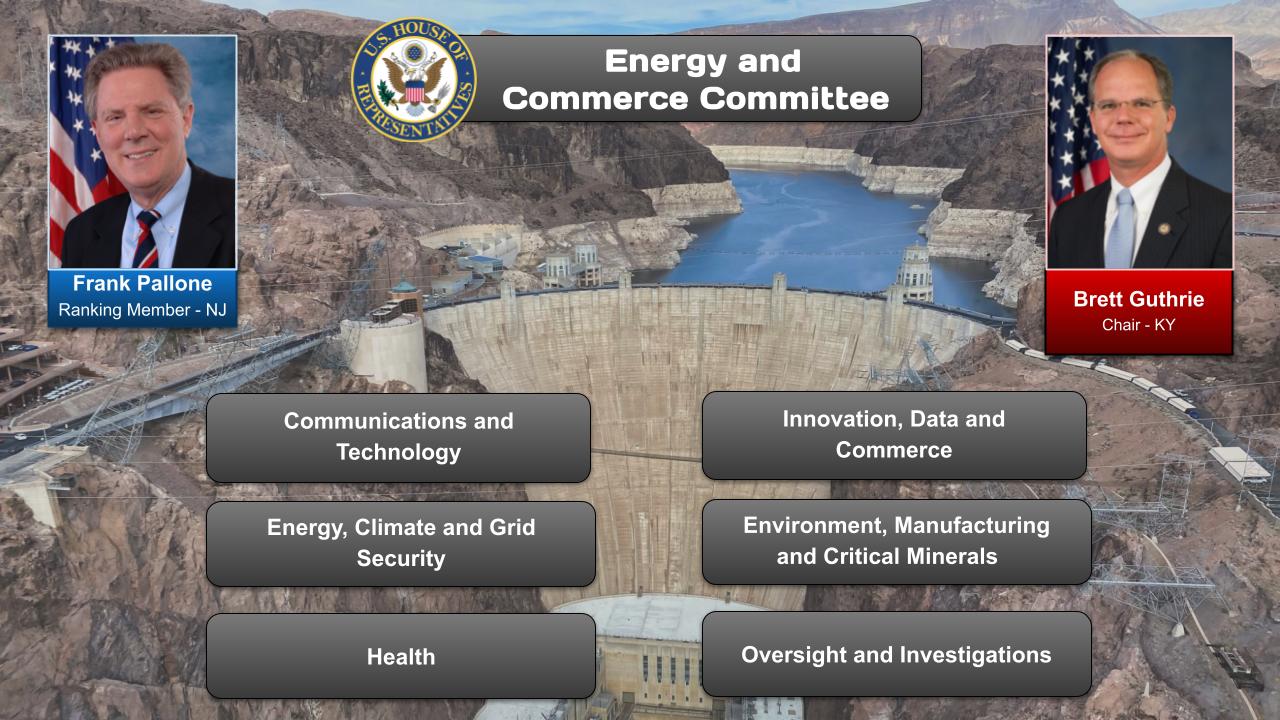
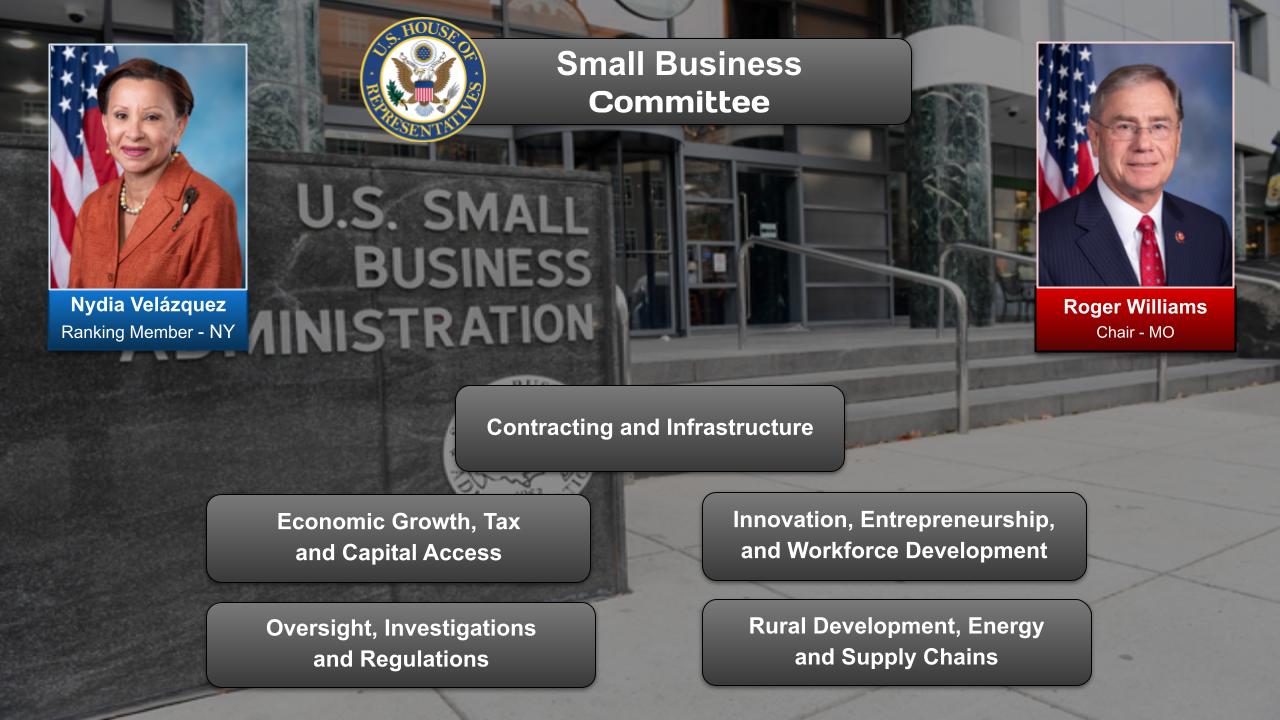
- There are many issues related to Economy & Jobs that Congress is looking to address with legislation. In the ‘About’ section of this post is an overview of the issues and potential solutions, party positions, and web links. Other sections have information on relevant committees, chairs, & caucuses; departments & agencies; and the judiciary, nonpartisan & partisan organizations, and a wikipedia entry.
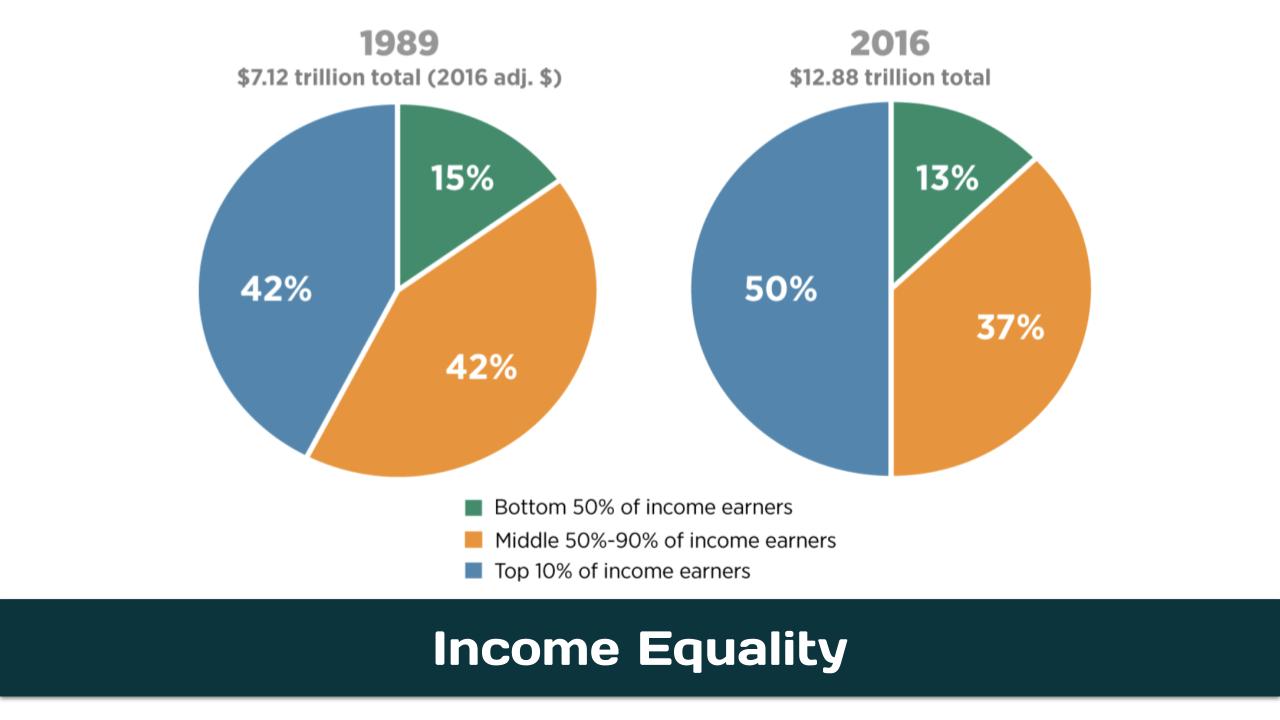
- The Economy & Jobs category has related posts and three posts on issues of particular focus: High Tech Manufacturing, Income Equality, and Inflation.
To participate in ongoing forums, ask the post’s curators questions, and make suggestions, scroll to the ‘Discuss’ section at the bottom of each post or select the “comment” icon.
CNBC 3.36M – 25/08/2023 (18:08)
https://www.youtube.com/watch?v=M8esItLD6vg
Labor productivity is a key, if often overlooked, economic indicator that policymakers use to gauge the health of the economy and guide fiscal and monetary policy decisions. But the U.S. has seen a productivity slump in recent years. And while the reasons for the decline are up for debate, the economic impacts are wide-ranging and can be felt across the board. So just how is productivity measured, how effective of a metric is it, what’s behind the slowdown and what impact does it have on the economy?
Chapters: 00:00 — Introduction
01:49 — How productivity gets measured
05:46 — State of U.S. productivity
12:00 — Downsides of sluggish productivity
13:54 — What’s next?
OnAir Post: Economy & Jobs