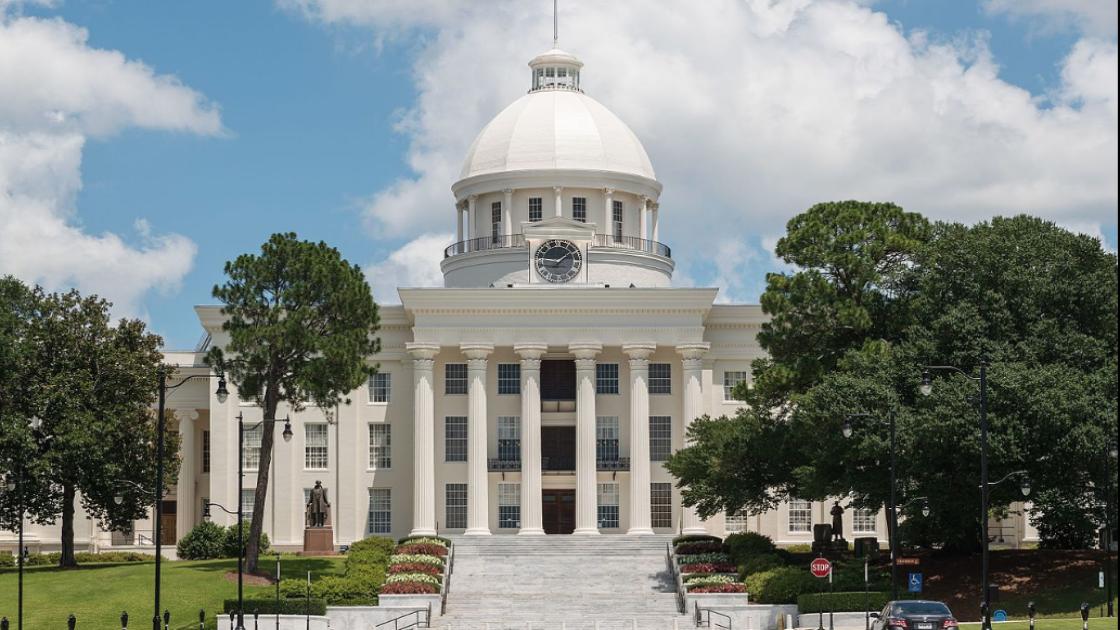
AL Executive Branch

The government of Alabama is organized under the provisions of the 1901 Constitution of Alabama, the lengthiest constitution of any political entity in the world.  Like other states within the United States, Alabama’s government is divided into executive, judicial, and legislative branches.

Government Website    Wikipedia page  

OnAir Post: AL Executive Branch

AK Executive Branch

The government of Alaska in common with state and federal governments of the United States, has three branches of government: the executive, consisting of the Governor of Alaska and the state agencies; the state legislature consisting of two chambers, the House of Representatives and the Senate; and the judiciary consisting of the Supreme court and lower courts.

Alaska has 246 federally recognized tribal governments and one federal Indian (Native American) reservation.

Government Website    Wikipedia page

OnAir Post: AK Executive Branch

AZ Executive Branch

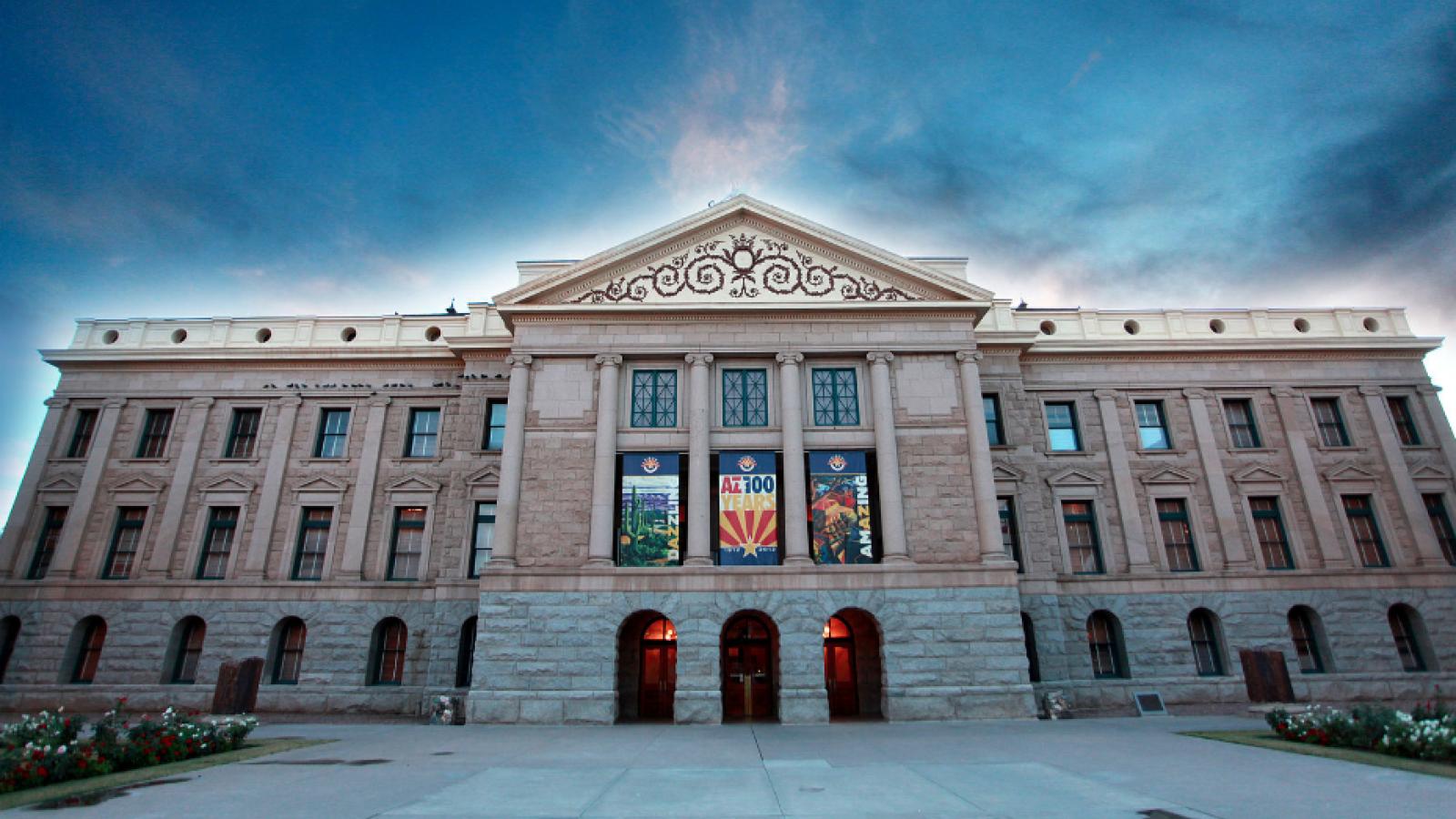
The government of Arizona is the governmental structure of the state of Arizona as established by the Arizona Constitution. The executive is composed of the Governor, several other statewide elected officials, and the Governor’s cabinet. The Arizona Legislature consists of the House of Representatives and Senate. The judiciary is composed of the Arizona Supreme Court and lower courts. There is also local government, consisting of counties, municipalities and special districts.

Government Website     Wikipedia page

OnAir Post: AZ Executive Branch

AR Executive Branch

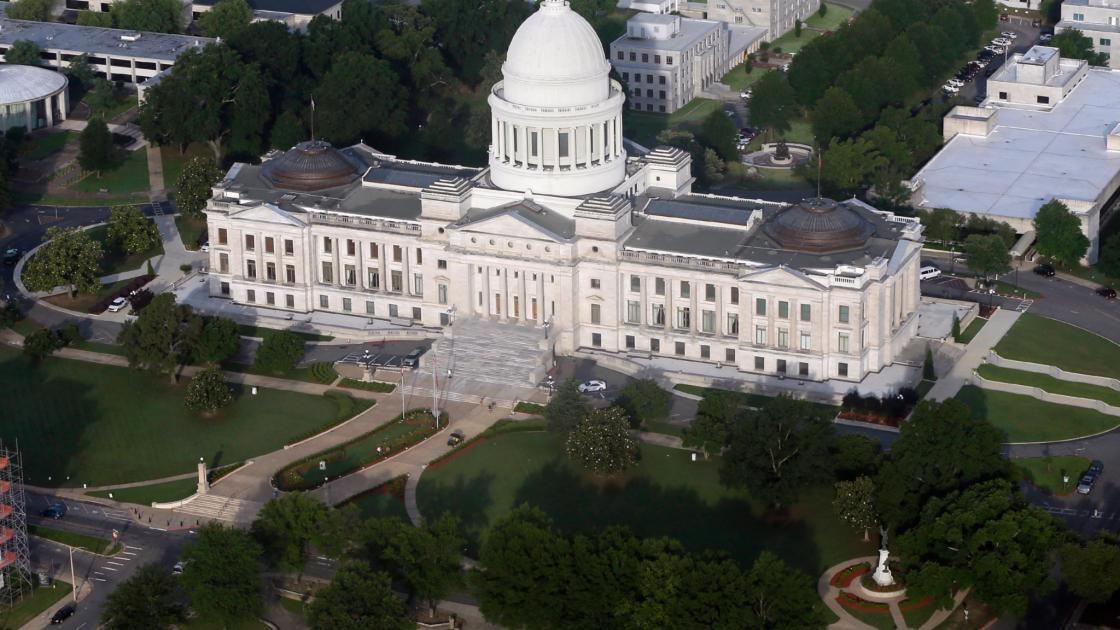
The State government of Arkansas is divided into three branches: executive, legislative and judicial. These consist of the state governor’s office, a bicameral state legislature known as the Arkansas General Assembly, and a state court system. The Arkansas Constitution delineates the structure and function of the state government. Since 1963, Arkansas has had four seats in the U.S. House of Representatives. Like all other states, it has two seats in the U.S. Senate.

Government Website    Wikipedia page 

OnAir Post: AR Executive Branch

CA Executive Branch

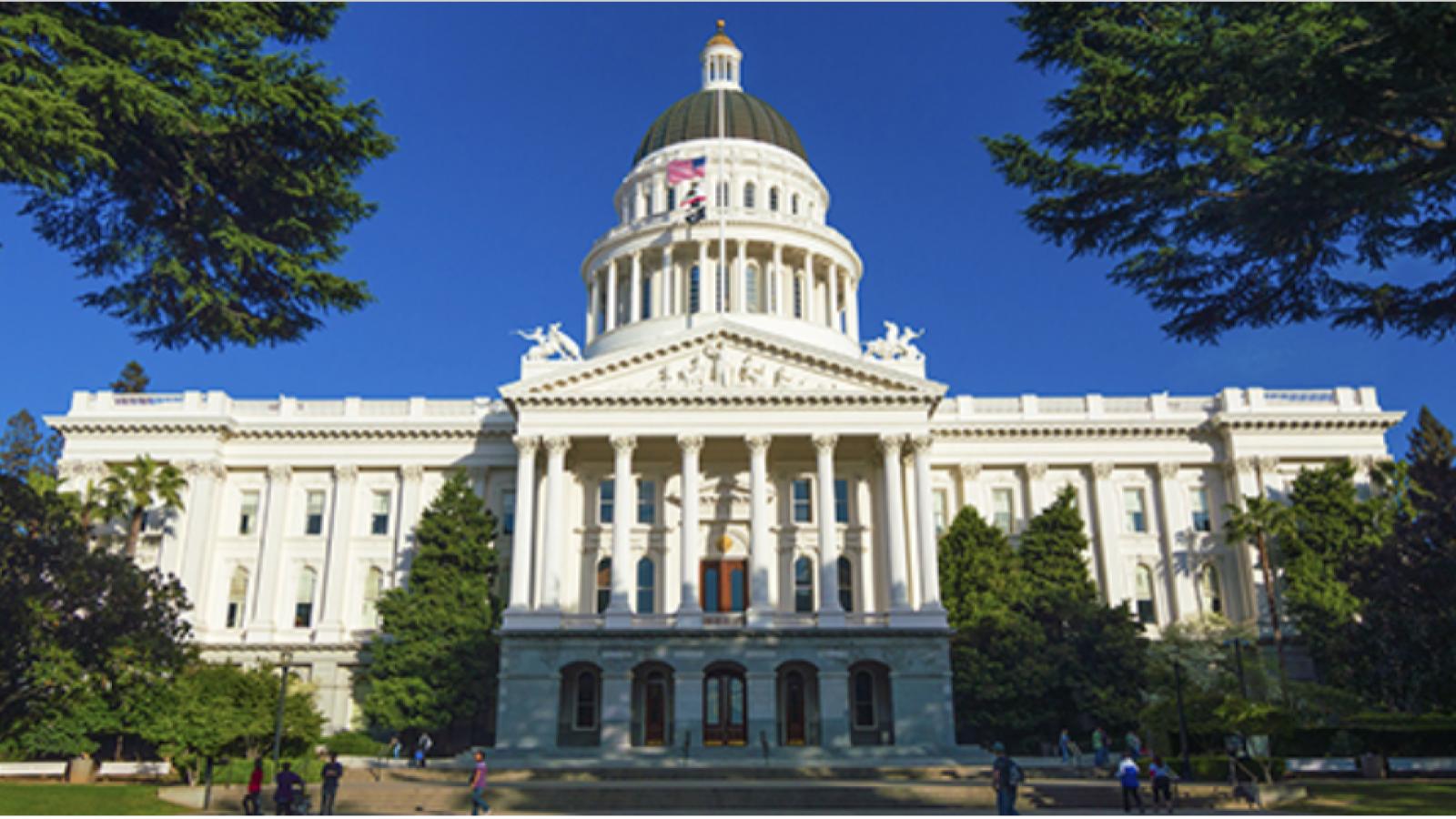
The government of California is the governmental structure of the U.S. state of California as established by the California Constitution. California uses the separation of powers system to structure its government. It is composed of three branches: the executive, consisting of the Governor of California and the other constitutionally elected and appointed officers and offices; the legislative, consisting of the California State Legislature, which includes the Assembly and the Senate; and the judicial, consisting of the Supreme Court of California and lower courts.

There is also local government, consisting of counties, cities, special districts, and school districts, as well as government entities and offices that operate independently on a constitutional, statutory, or common law basis. The state also allows direct participation of the electorate by initiative, referendum, recall and ratification.

Government Website    Wikipedia page

OnAir Post: CA Executive Branch

CO Executive Branch

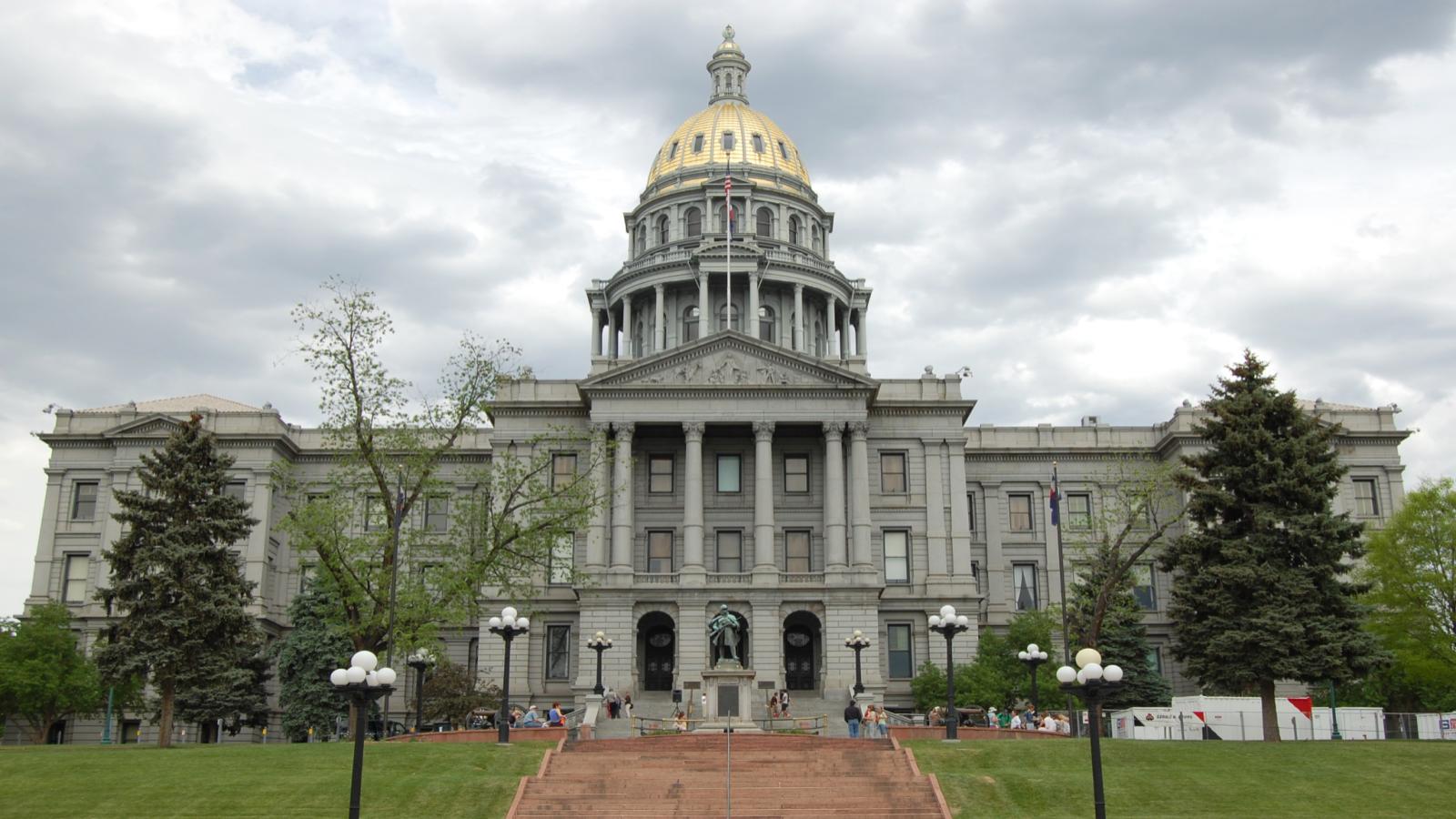
The Government of Colorado is the governmental structure as established by the Constitution of the State of Colorado. It is composed of three branches: the executive branch headed by the Governor, the legislative branch consisting of the General Assembly, and the judicial branch consisting of the Supreme Court and lower courts. The constitution also allows direct participation of the electorate by initiative, referendum, recall and ratification.

OnAir Post: CO Executive Branch

CT Executive Branch

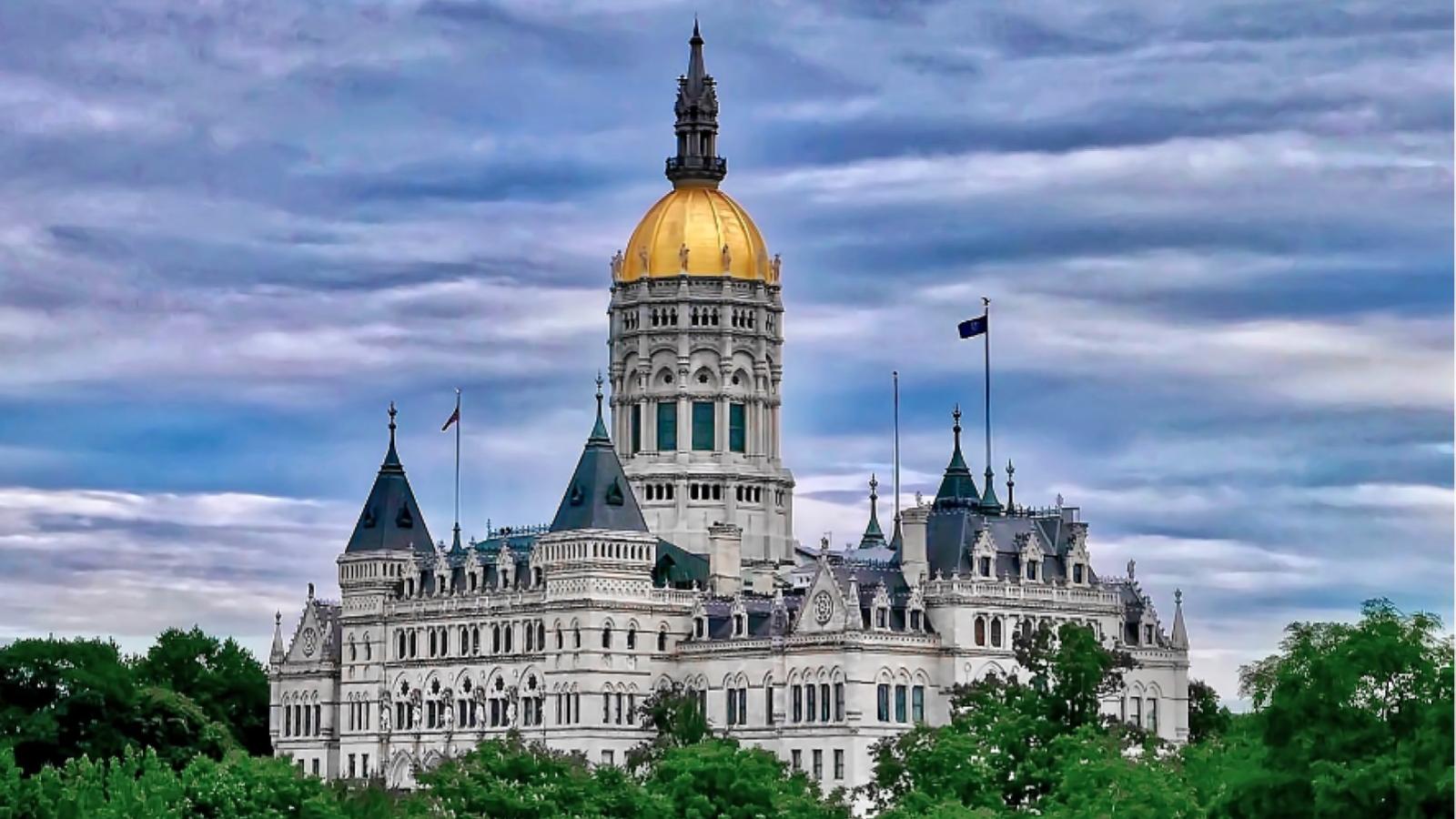
State government in Connecticut has three branches: executive, legislative, and judicial.

Voters elect six state officers: Governor, Lieutenant Governor, Secretary of State, Treasurer, Comptroller, and Attorney General. All have four-year terms. Connecticut voters also elect two U.S. Senators and five U.S. Representatives.

The General Assembly or legislature has a Senate and a House of Representatives. Members of both houses represent districts based strictly on population. Currently, there are 36 state senators and 151 state representatives.

The Judicial Department is composed of the Superior, Appellate, and Supreme courts. Except for probate judges, who are elected by the voters of the town or district they serve, all judges are nominated by the governor and appointed by the General Assembly.

Connecticut has no county government. Below the state level, governing units are either cities or towns.

Government Website   
OnAir Post: CT Executive Branch

DE Executive Branch

The executive branch is headed by the Governor of Delaware. The present governor is John Carney (Democrat), who took office January 17, 2017. The lieutenant governor is Bethany Hall-Long. The governor presents a “State of the State” speech to a joint session of the Delaware legislature annually.

Source: Wikipedia

OnAir Post: DE Executive Branch

FL Executive Branch

The government of Florida is established and operated according to the Constitution of Florida and is composed of three branches of government: the executive branch consisting of the governor of Florida and the other elected and appointed constitutional officers; the legislative branch, the Florida Legislature, consisting of the Senate and House; and the judicial branch consisting of the Supreme Court of Florida and lower courts. The state also allows direct participation of the electorate by initiative, referendum, and ratification.

Government Website    Wikipedia page 

OnAir Post: FL Executive Branch

GA Executive Branch

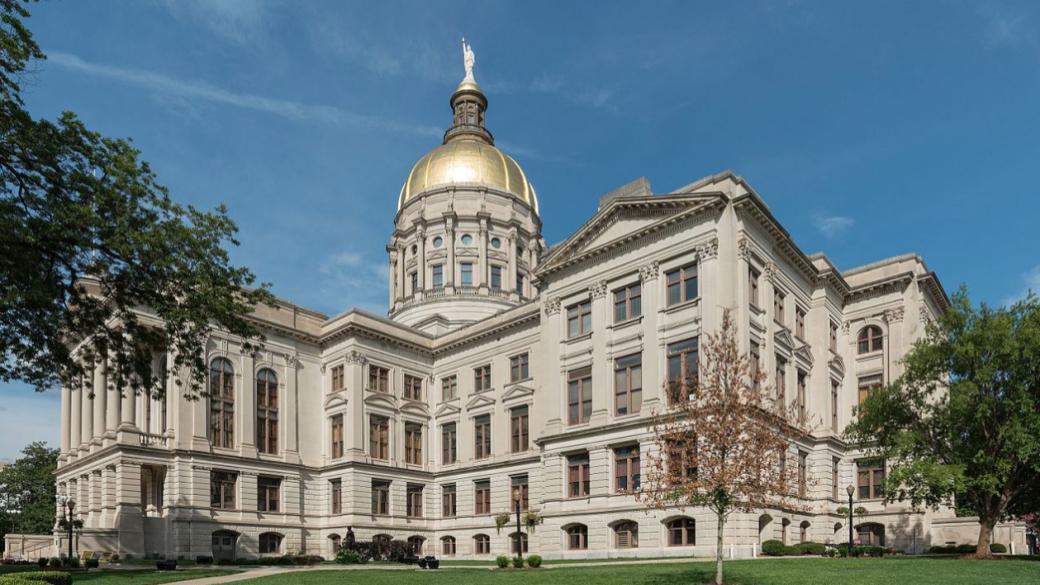
The state government of Georgia is the U.S. state governmental body established by the Georgia State Constitution. It is a republican form of government with three branches: the legislature, executive, and judiciary. Through a system of separation of powers or “checks and balances”, each of these branches has some authority to act on its own, some authority to regulate the other two branches, and has some of its own authority, in turn, regulated by the other branches. The seat of government for Georgia is located in Atlanta.

Government Website    Wikipedia page

OnAir Post: GA Executive Branch

HI Executive Branch

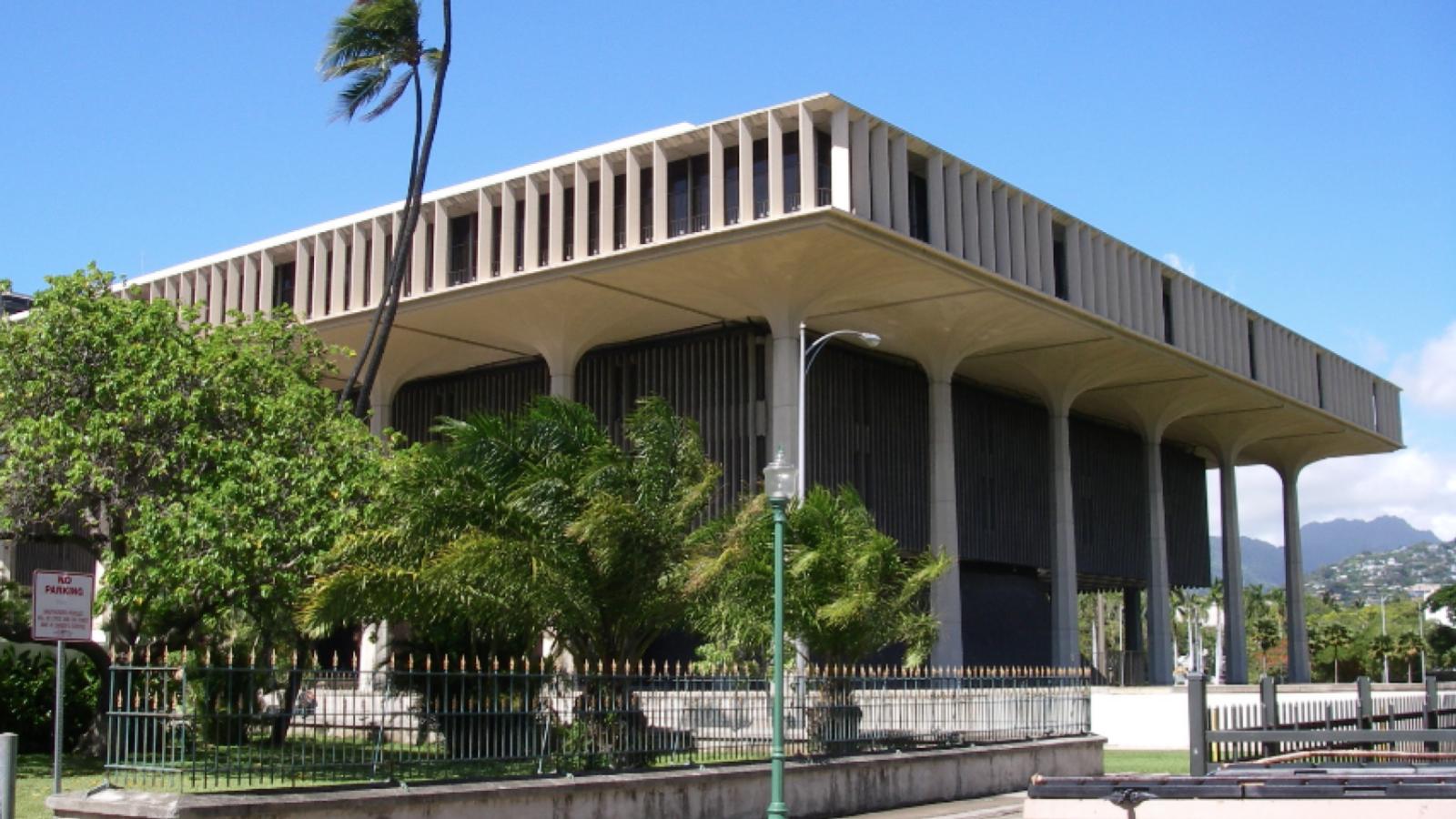
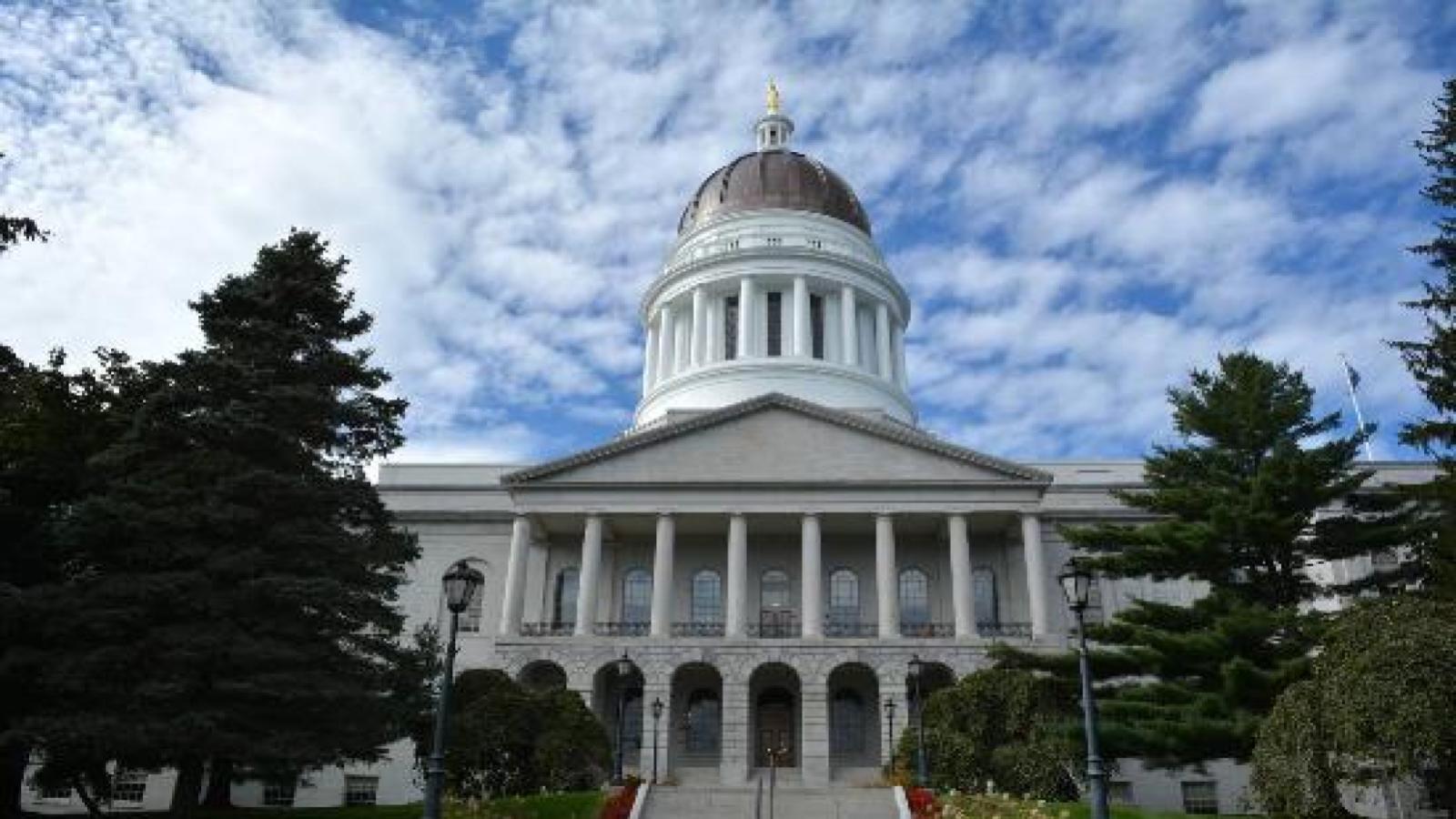
The Government of Hawaii (Hawaiian: Aupuni o Hawaiʻi) is the governmental structure as established by the Constitution of Hawaii, the 50th state to have joined the United States.

Government Website    Wikipedia page
OnAir Post: HI Executive Branch

ID Executive Branch

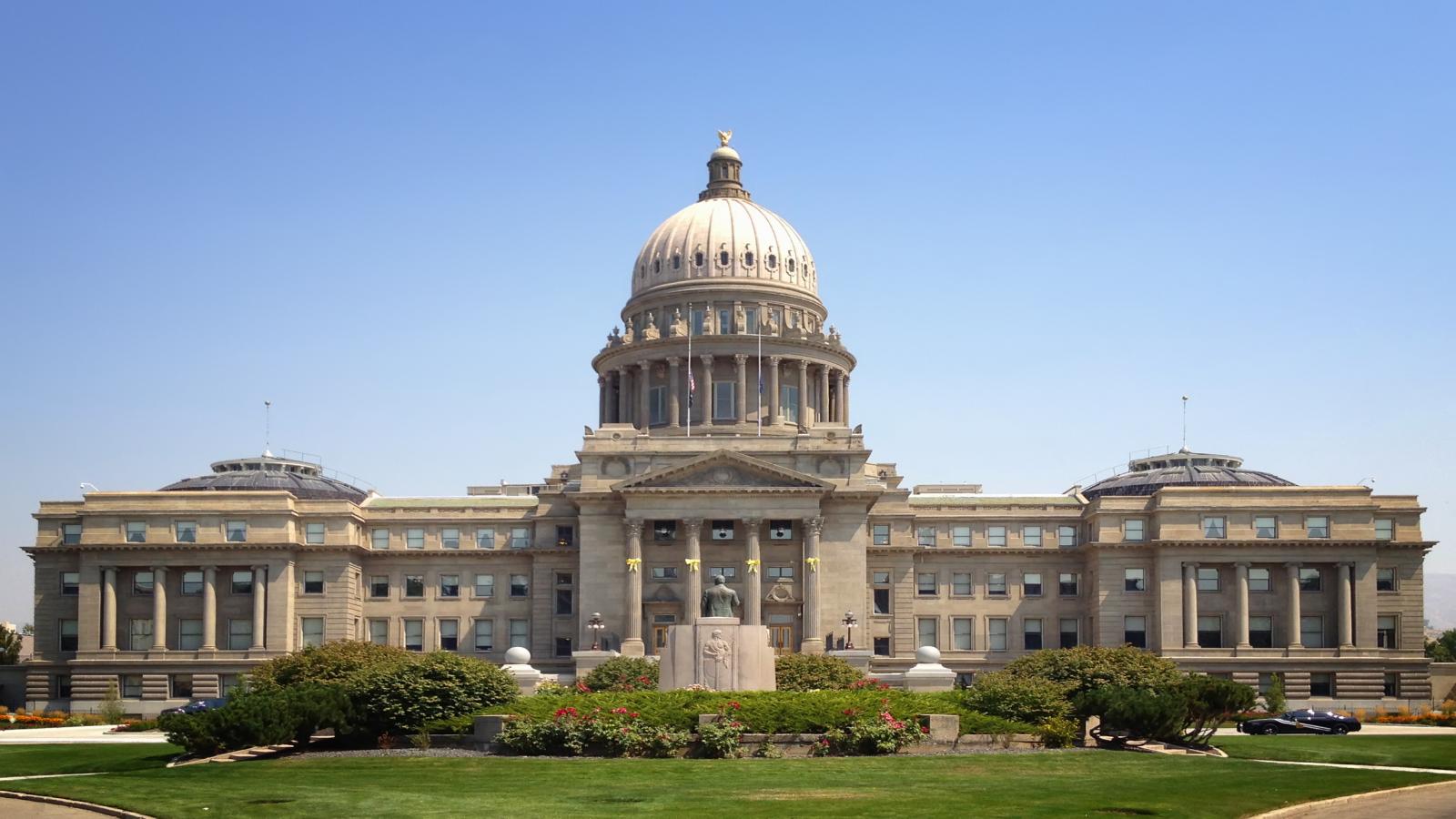
The constitution of Idaho provides for three branches of government: the executive, legislative and judicial branches. Idaho has a bicameral legislature, elected from 35 legislative districts, each represented by one senator and two representatives.

Since 1946, statewide elected constitutional officers have been elected to four-year terms. They include: Governor, Lieutenant Governor, Secretary of State, Idaho state controller (Auditor before 1994), Treasurer, Attorney General, and Superintendent of Public Instruction.

OnAir Post: ID Executive Branch

IL Executive Branch

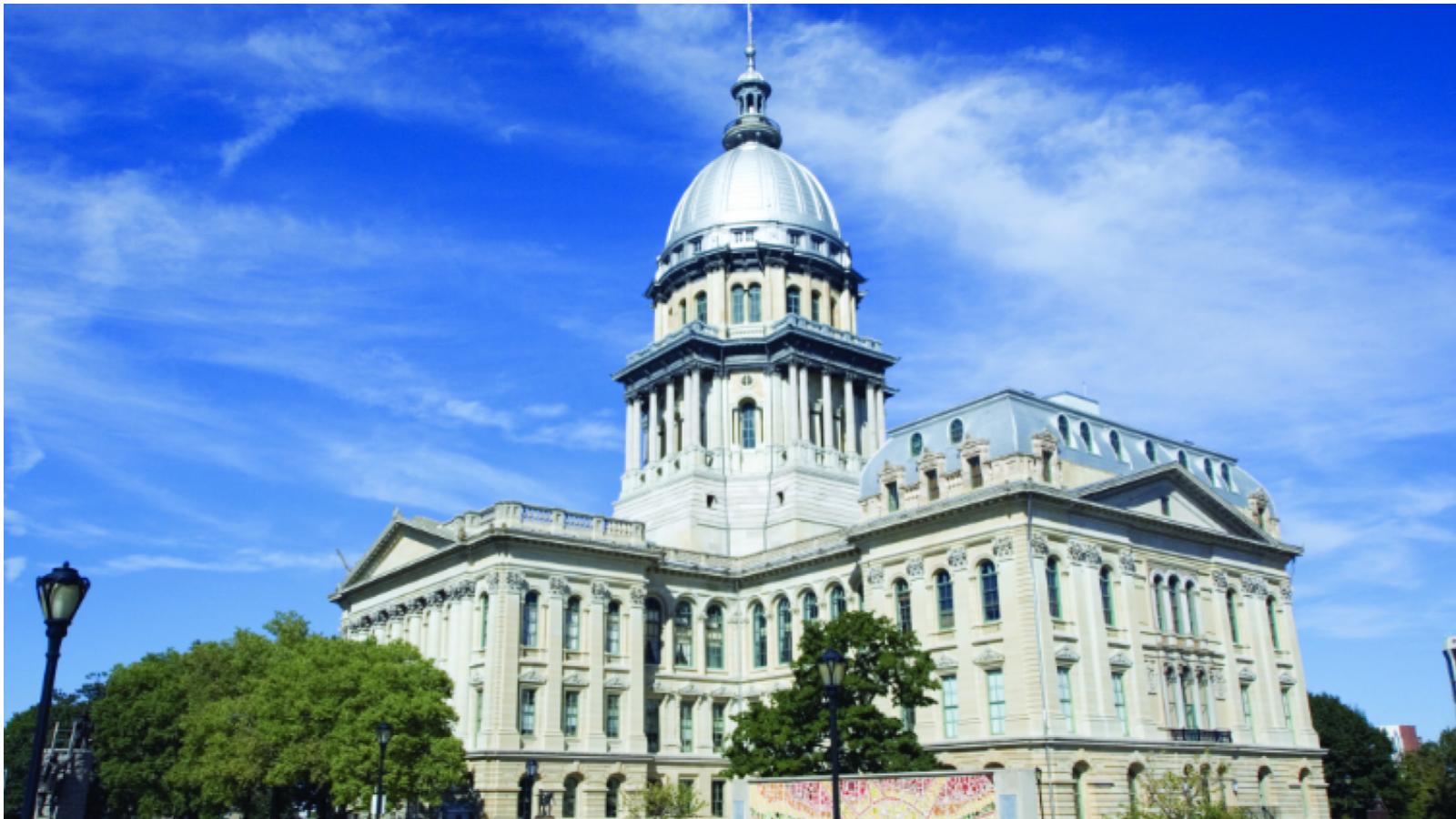
The Government of Illinois, under Illinois’ Constitution, has three branches of government: Executive, Legislative, and Judicial. The State’s executive branch is split into several statewide elected offices, with the Governor as chief executive and head of state, and has numerous departments, agencies, boards and commissions. Legislative functions are granted to the General Assembly, a bicameral body consisting of the 118-member House of Representatives and the 59-member Senate. The judiciary is composed of the Supreme Court of Illinois and lower courts.

Government Website    Wikipedia page

OnAir Post: IL Executive Branch

IN Executive Branch

The government of Indiana is established and regulated by the Constitution of Indiana. The state-level government consists of three branches: the judicial branch, the legislative branch, and the executive branch. The three branches share power and jointly govern the state of Indiana. County and local governments are also constitutional bodies with limited authority to levy taxes, pass legislation, and create and maintain local public infrastructure.

The government of Indiana was first formed in December 1816 and replaced the government of the Indiana Territory. The early government came under criticism beginning as early as the 1820s for having many public offices filled by appointment and lack of delegation of authority to lower officials, requiring state level legislation for things like divorce approval. In 1851 a new constitution was adopted by the state, remedying many of these problems and opening many more office to public election. Significant government reforms were enacted again in 1971 when the state courts were reorganized and new powers were granted to the governor which had historically been a weak institution.

Government Website    Wikipedia page

OnAir Post: IN Executive Branch

IA Executive Branch

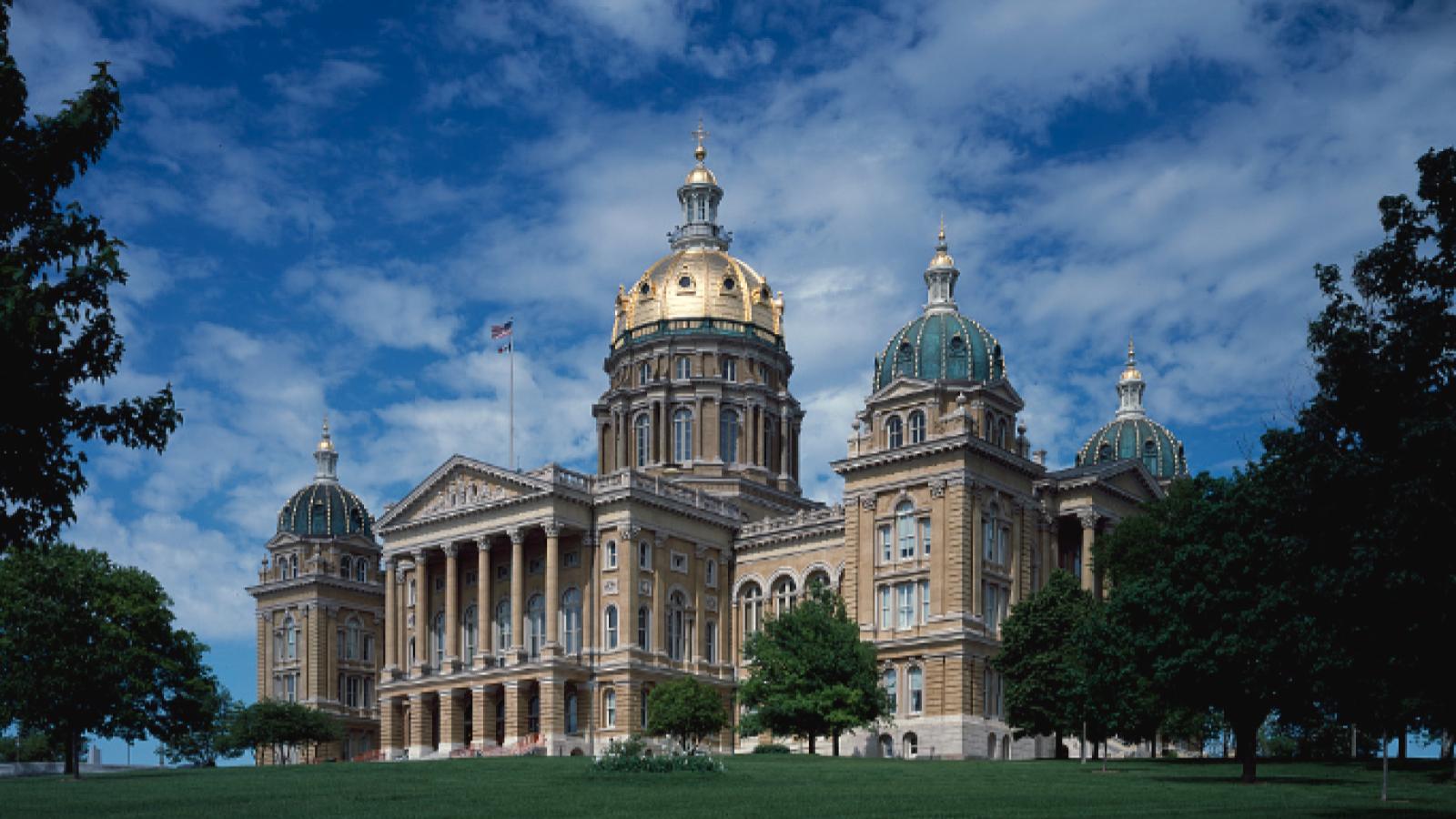
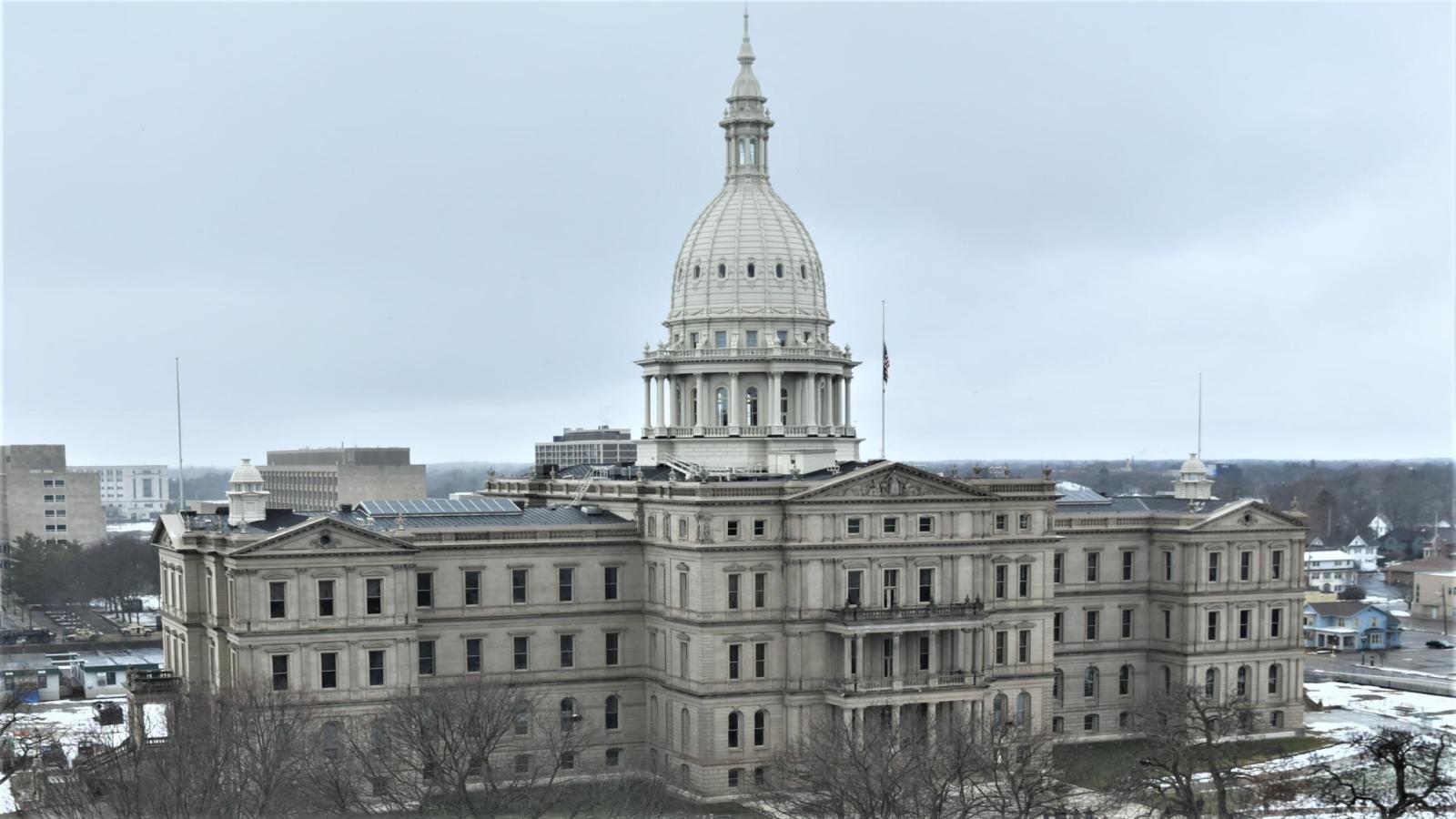
As of 2018, the 43rd and current Governor of Iowa is Kim Reynolds (R). Other statewide elected officials are:

The Code of Iowa contains Iowa’s statutory laws. It is periodically updated by the Iowa Legislative Service Bureau, with a new edition published in odd-numbered years and a supplement published in even-numbered years.

Iowa is an alcohol monopoly or alcoholic beverage control state.

Government Website    Wikipedia page
OnAir Post: IA Executive Branch

KS Executive Branch

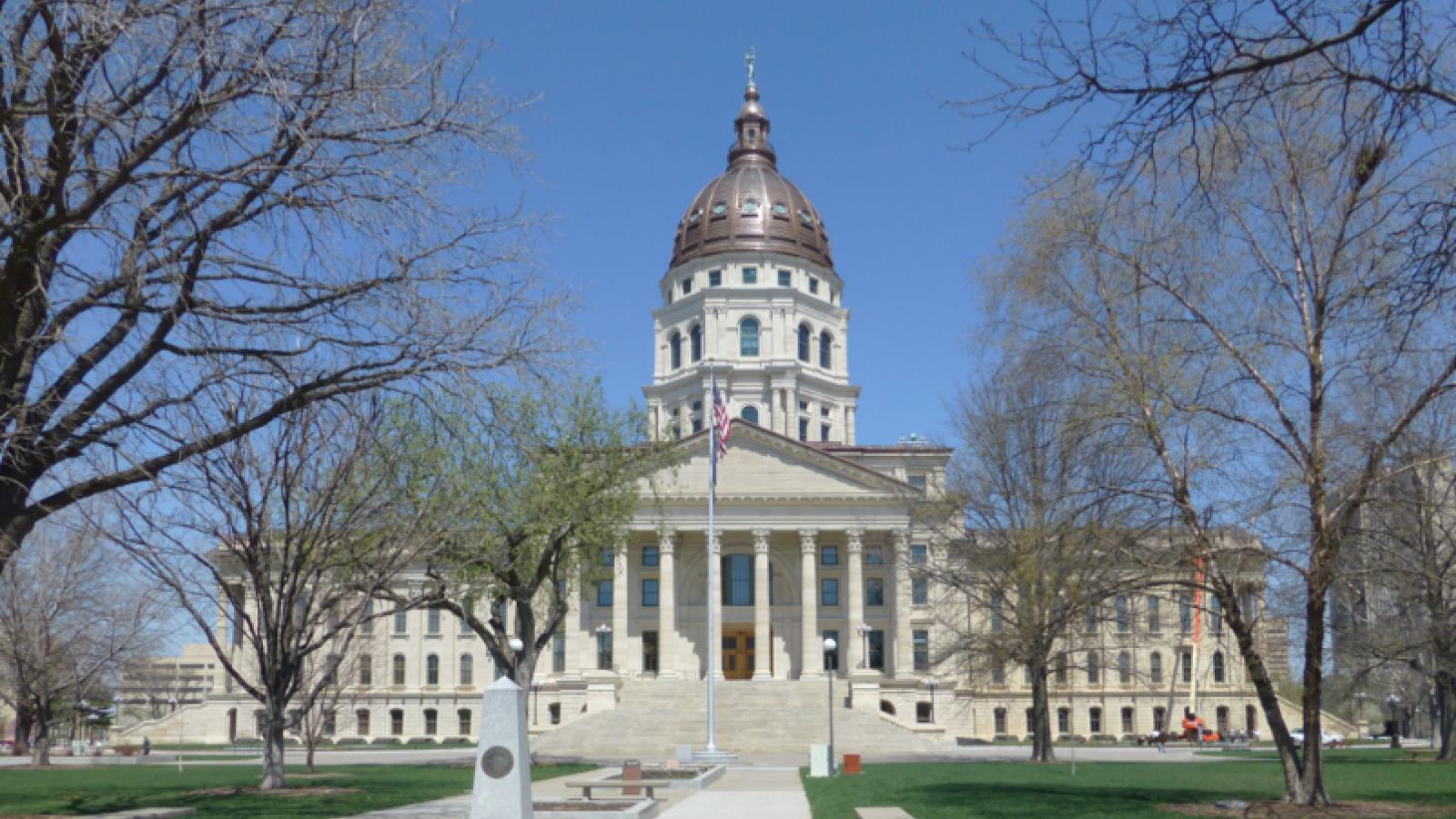
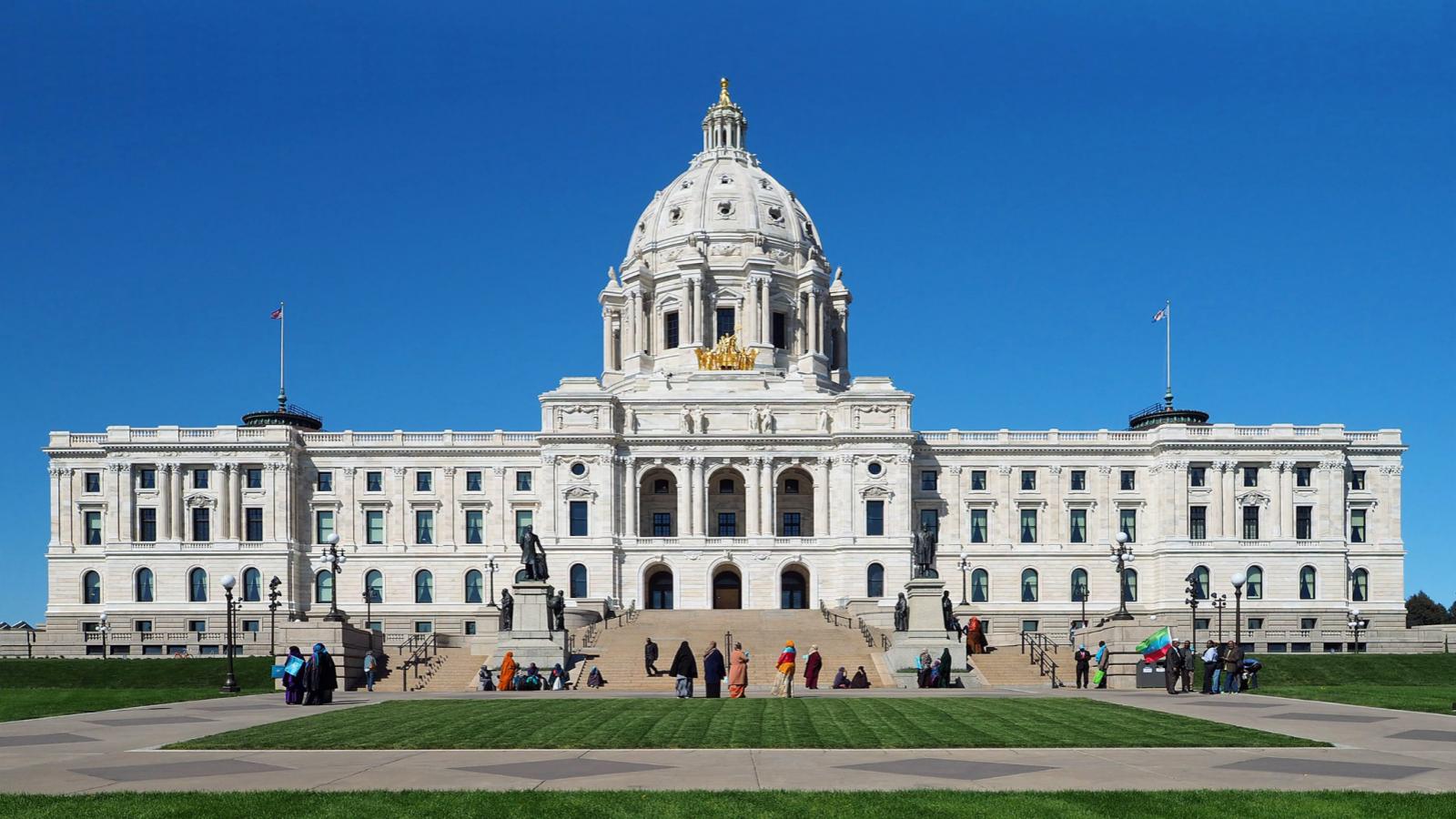
The government of the U.S. state of Kansas, established by the Kansas Constitution, is a republican democracy modeled after the Federal Government of the United States. The state government has three branches: the executive, the legislative, and the judicial. Through a system of separation of powers, or “checks and balances,” each of these branches has some authority to act on its own, and also some authority to regulate the other two branches, so that all three branches can limit and balance the others’ authority.

The state government is based in Topeka, Kansas.

Government Website    Wikipedia page
OnAir Post: KS Executive Branch

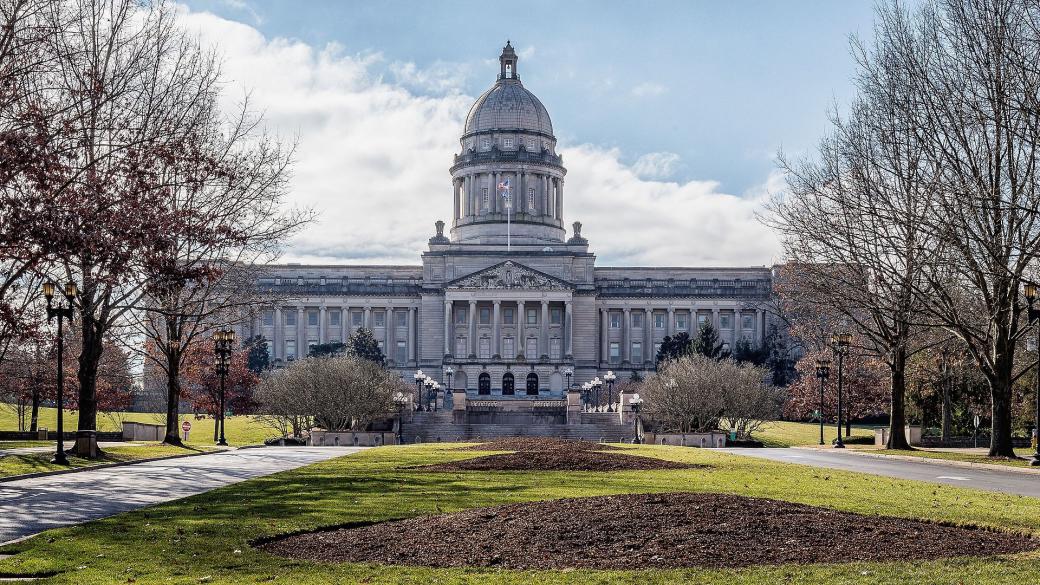
KY Executive Branch

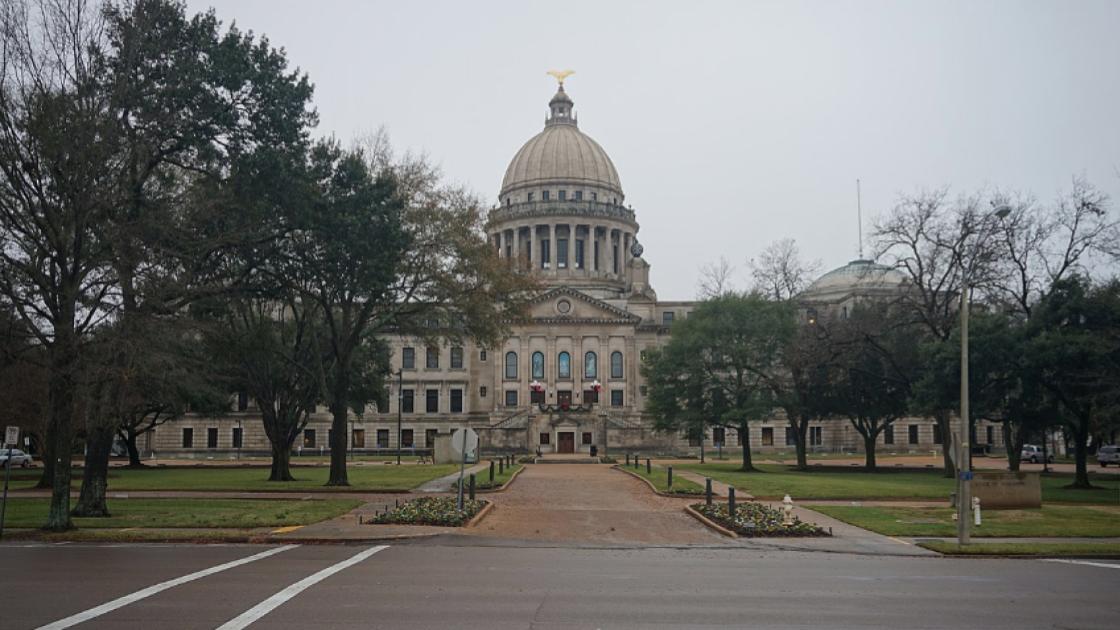
Kentucky is one of four U.S. states to officially use the term commonwealth. The term was used for Kentucky as it had also been used by Virginia, from which Kentucky was created. The term has no particular significance in its meaning and was chosen to emphasize the distinction from the status of royal colonies as a place governed for the general welfare of the populace. Kentucky was originally styled as the “State of Kentucky” in the act admitting it to the union since that is how it was referred to in Kentucky’s first constitution.

Kentucky is one of only five states that elect their state officials in odd-numbered years (the others being Louisiana, Mississippi, New Jersey, and Virginia). Kentucky holds elections for these offices every four years in the years preceding Presidential election years. Thus, Kentucky held gubernatorial elections in 2011, 2015 and 2019.

Government Website    Wikipedia page  
OnAir Post: KY Executive Branch

LA Executive Branch

In 1849, the state moved the capital from New Orleans to Baton Rouge. Donaldsonville, Opelousas, and Shreveport have briefly served as the seat of Louisiana state government. The Louisiana State Capitol and the Louisiana Governor’s Mansion are both located in Baton Rouge. The Louisiana Supreme Court, however, did not move to Baton Rouge but remains headquartered in New Orleans.

The current Louisiana governor is Democrat John Bel Edwards. The current United States senators are Republicans John Neely Kennedy and Bill Cassidy. Louisiana has six congressional districts and is represented in the U.S. House of Representatives by five Republicans and one Democrat. Louisiana had eight votes in the Electoral College for the 2020 election.

Government Website    Wikipedia page
OnAir Post: LA Executive Branch

ME Executive Branch

The Maine Constitution structures Maine’s state government, composed of three co-equal branches—the executive, legislative, and judicial branches. The state of Maine also has three Constitutional Officers (the Secretary of State, the State Treasurer, and the State Attorney General) and one Statutory Officer (the State Auditor).

The legislative branch is the Maine Legislature, a bicameral body composed of the Maine House of Representatives, with 151 members, and the Maine Senate, with 35 members. The Legislature is charged with introducing and passing laws.

The executive branch is responsible for the execution of the laws created by the Legislature and is headed by the Governor of Maine (currently Janet Mills). The Governor is elected every four years; no individual may serve more than two consecutive terms in this office. The current attorney general of Maine is Aaron Frey. As with other state legislatures, the Maine Legislature can by a two-thirds majority vote from both the House and Senate override a gubernatorial veto. Maine is one of seven states that do not have a lieutenant governor.

The judicial branch is responsible for interpreting state laws. The highest court of the state is the Maine Supreme Judicial Court. The lower courts are the District Court, Superior Court and Probate Court. All judges except for probate judges serve full-time, are nominated by the Governor and confirmed by the Legislature for terms of seven years. Probate judges serve part-time and are elected by the voters of each county for four-year terms.

Government Website
OnAir Post: ME Executive Branch

MD Executive Branch

The government of Maryland is conducted according to the Maryland Constitution. The United States is a federation; consequently, the government of Maryland, like the other 49 state governments, has exclusive authority over matters that lie entirely within the state’s borders, except as limited by the Constitution of the United States.

Administrative influence in Maryland is divided among three branches of government: executive, legislative, and judicial. Unlike most other states,[1] significant autonomy is granted to many of Maryland’s counties.[2]

Most of the business of government is done in Annapolis, the state capital. Virtually all state and county elections are held in even-numbered years not divisible by four, in which the President of the United States is not elected—this, as in other states, is intended to divide state and federal politics.

Government Website    Wikipedia page 
OnAir Post: MD Executive Branch

MA Executive Branch

The Commonwealth of Massachusetts is governed by a set of political tenets laid down in its state constitution. Legislative power is held by the bicameral General Court, which is composed of the Senate and House of Representatives. The governor exercises executive power with other independently elected officers: the Attorney General, Secretary of the Commonwealth, and Auditor. The state’s judicial power rests in the Supreme Judicial Court, which manages its court system. Cities and towns act through local governmental bodies to the extent that they are authorized by the Commonwealth on local issues, including limited home-rule authority. Although most county governments were abolished during the 1990s and 2000s, a handful remain.

Massachusetts’ capital city is Boston. The seat of power is in Beacon Hill, home of the legislative and executive branches. The Supreme Judicial Court is in nearby Pemberton Hill.

Government Website    Wikipedia page
OnAir Post: MA Executive Branch

MI Executive Branch

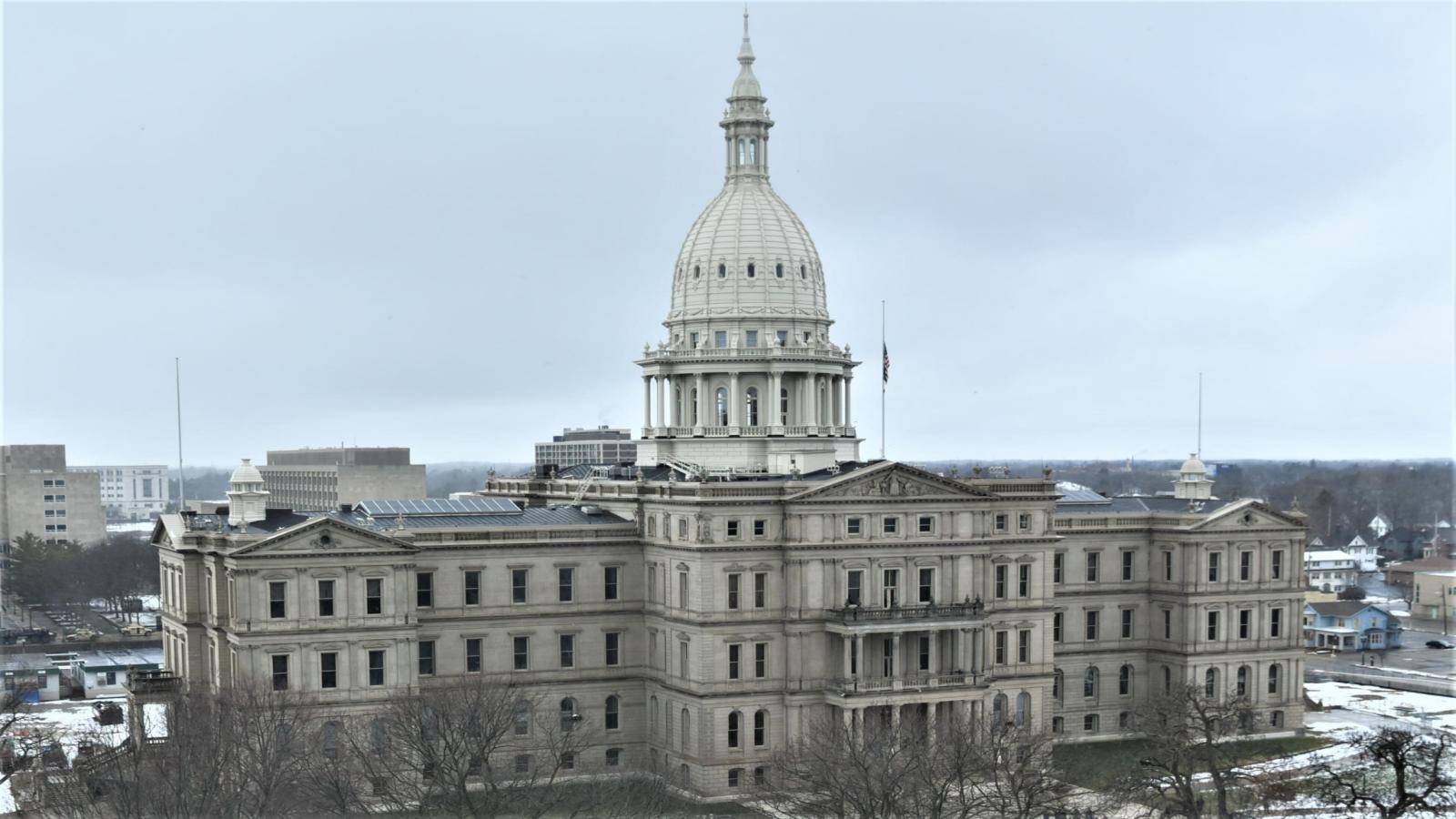
Michigan has a republican form of government with three branches of government: the executive branch consisting of the Governor of Michigan and the other independently elected constitutional officers; the legislative branch consisting of the House of Representatives and Senate; and the judicial branch consisting of the one court of justice. The state also allows direct participation of the electorate by initiative, referendum, recall, and ratification.[1]

Government Website    Wikipedia page

OnAir Post: MI Executive Branch

MN Executive Branch

The executive branch is headed by the governor. Governor Tim Walz, DFL (Democratic–Farmer–Labor), took office on January 7, 2019. The governor has a cabinet consisting of the leaders of various state government agencies, called commissioners. The other elected constitutional offices are secretary of state, attorney general, and state auditor.

Constitutional officeholders:

Governor Tim Walz (DFL)
Lt. Governor Peggy Flanagan (DFL)
Secretary of State Steve Simon (DFL)
Attorney General Keith Ellison (DFL)
State Auditor Julie Blaha (DFL)

Government Website    Wikipedia page 
OnAir Post: MN Executive Branch

MS Executive Branch

The Government of Mississippi is the government of the U.S. state of Mississippi. Power in Mississippi’s government is distributed by the state’s Constitution between the executive and legislative branches. The state’s current Governor is Tate Reeves. The Mississippi Legislature consists of the House of Representatives and Senate. Mississippi is one of only five states that elects its state officials in odd numbered years (others being Kentucky, Louisiana, New Jersey, and Virginia). Mississippi holds elections for these offices every four years in the years preceding Presidential election years. Thus, the last year when Mississippi elected a Governor was 2019, and the next gubernatorial election will occur in 2023.

Government Website    Wikipedia page
OnAir Post: MS Executive Branch

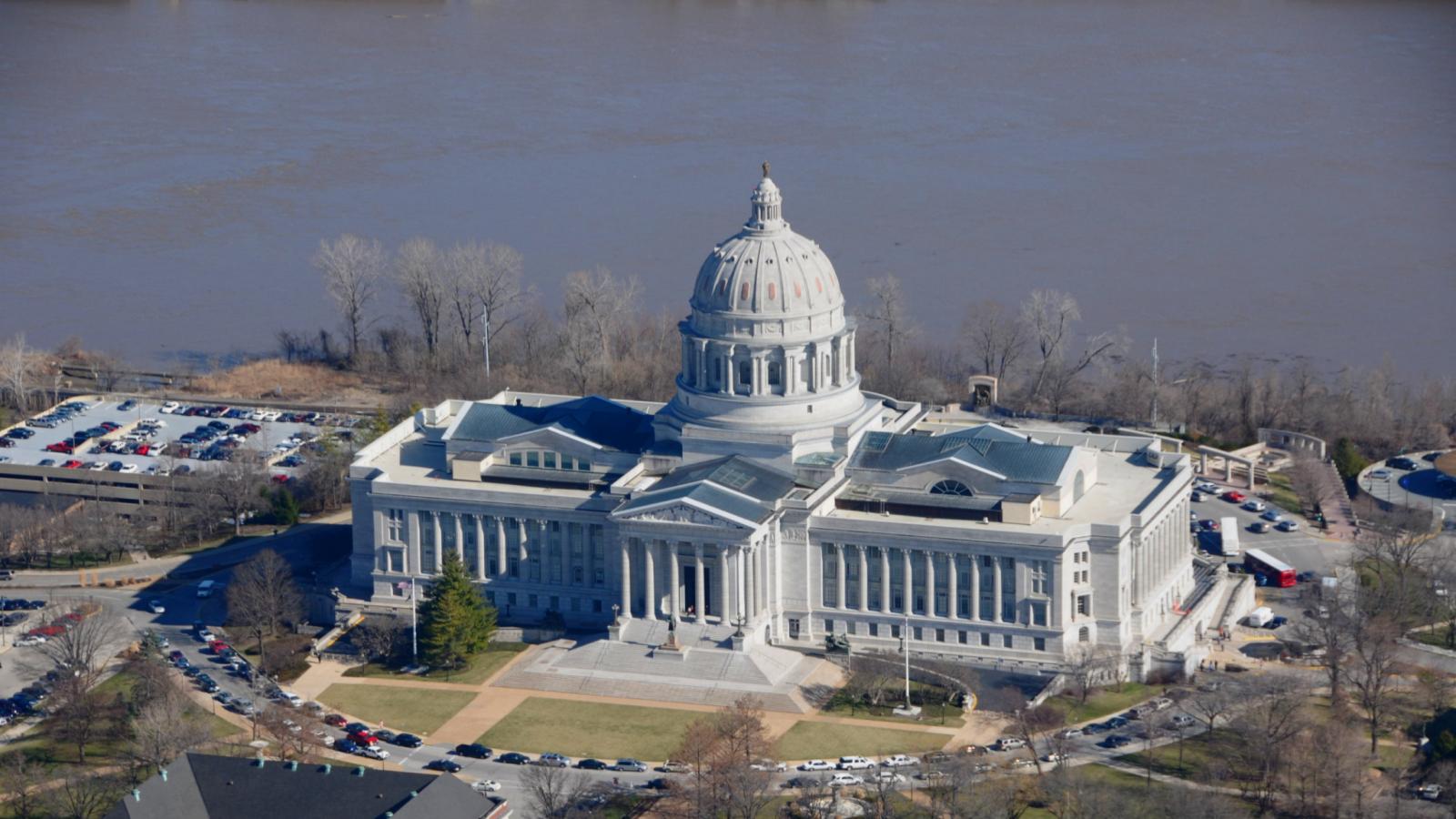
MO Executive Branch

The government of the U.S. state of Missouri is organized into the state government and local government, including county government, and city and municipal government.

Government Website    Wikipedia page 

OnAir Post: MO Executive Branch

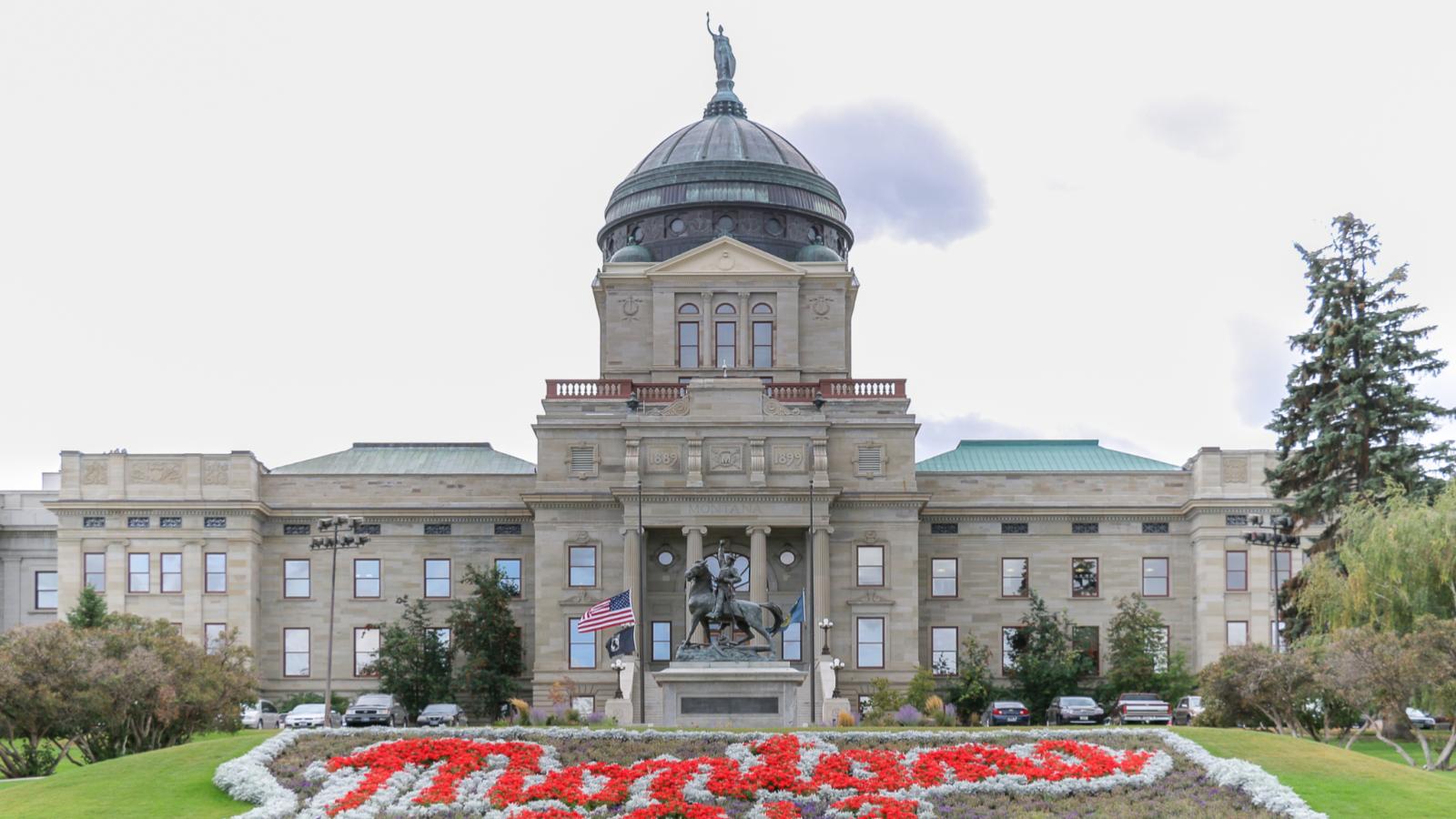
MT Executive Branch

As established and defined by the Montana Constitution, the government of the State of Montana is composed of three branches, the Executive, Judicial, and Legislative. The powers of initiative and referendum are reserved for the citizens of Montana.

OnAir Post: MT Executive Branch

NE Executive Branch

Governor Pete Ricketts was sworn in as Nebraska’s 40th Governor on January 8, 2015. Governor Ricketts was first elected to office upon winning the Nebraska gubernatorial election on November 4, 2014. Prior to his election as governor, he worked to support Nebraska entrepreneurs and startup companies.

Born in Nebraska City and raised in Omaha, Ricketts is the son of an entrepreneur and a public school teacher. Governor Ricketts and his wife, First Lady Susanne Shore, have been married for 18 years and live in Omaha with their three children, Roscoe, Margot and Eleanor.

Government Website    
OnAir Post: NE Executive Branch

NM Executive Branch

The government of New Mexico is the governmental structure of the state of New Mexico as established by the Constitution of New Mexico. The executive is composed of the governor, several other statewide elected officials and the governor’s cabinet. The New Mexico Legislature consists of the House of Representatives and Senate. The judiciary is composed of the New Mexico Supreme Court and lower courts. There is also local government, consisting of county administrations, city governments, and special districts.

OnAir Post: NM Executive Branch

NJ Executive Branch

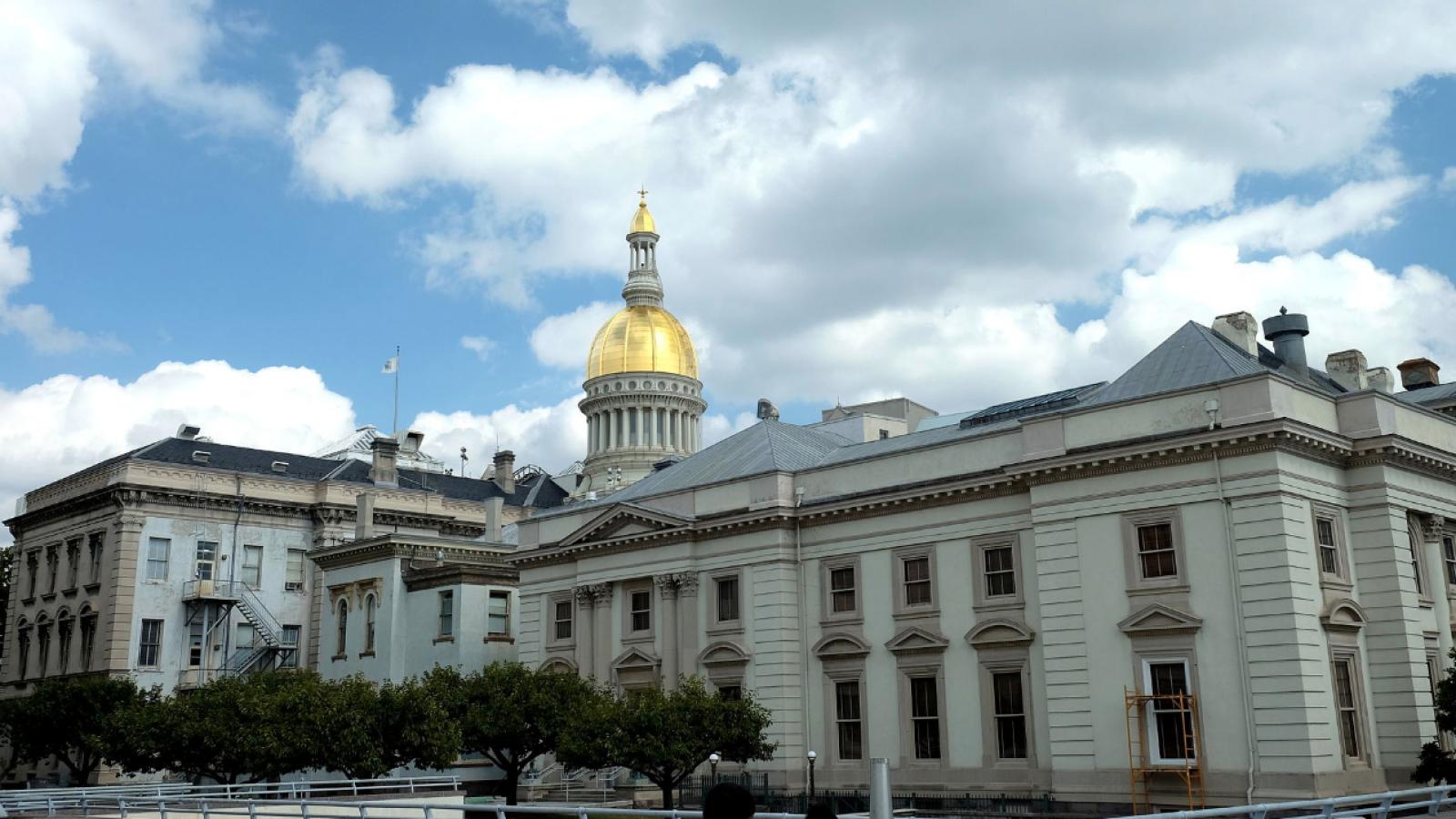
The government of the State of New Jersey is separated into three distinct branches: legislative, executive, and judicial. The powers of the State of New Jersey are vested by the Constitution of New Jersey, enacted in 1947, in a bicameral state legislature (consisting of the General Assembly and Senate), the Governor, and the state courts, headed the New Jersey Supreme Court. The powers and duties of these branches are further defined by acts of the state legislature, including the creation of executive departments and courts inferior to the Supreme Court. Like most states, the state allows the incorporation of county, and other local municipal government.

Government Website    Wikipedia page
OnAir Post: NJ Executive Branch

NY Executive Branch

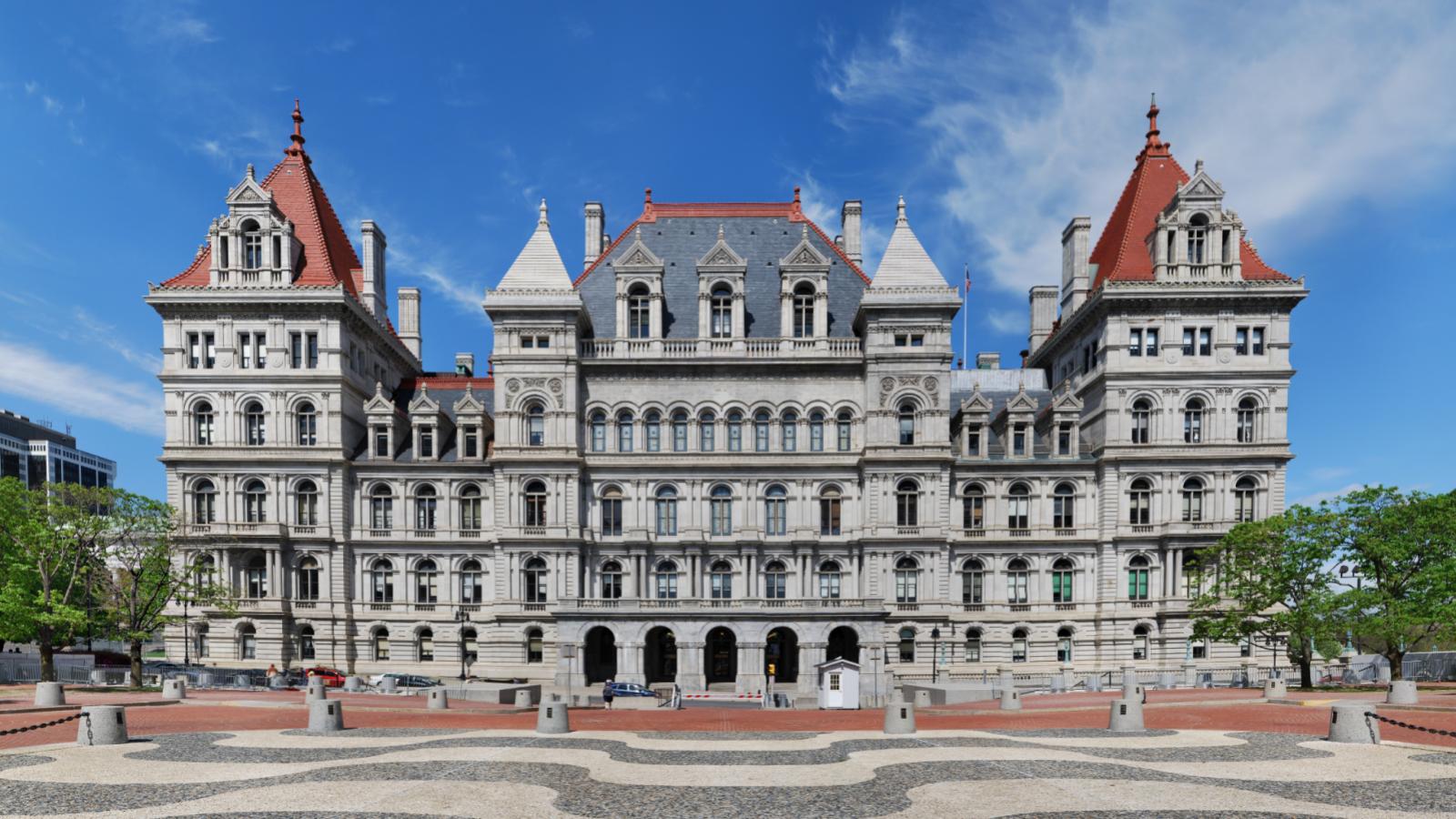
The Government of the State of New York, headquartered at the New York State Capitol in Albany, encompasses the administrative structure of the U.S. state of New York, as established by the state’s constitution. Analogously to the US federal government, it is composed of three branches: executive, legislative, and judicial. The head of the executive is the governor. The Legislature consists of the Senate and the Assembly. The Unified Court System consists of the Court of Appeals and lower courts. The state is also divided into counties, cities, towns, and villages, which are all municipal corporations with their own government.

Government Website    Wikipedia page
OnAir Post: NY Executive Branch

NC Executive Branch

The government of North Carolina is divided into three branches: executive, legislative, and judicial. These consist of the Council of State (led by the Governor), the bicameral legislature (called the General Assembly), and the state court system (headed by the North Carolina Supreme Court). The Constitution of North Carolina delineates the structure and function of the state government.

Government Website    Wikipedia page.
OnAir Post: NC Executive Branch

ND Executive Branch

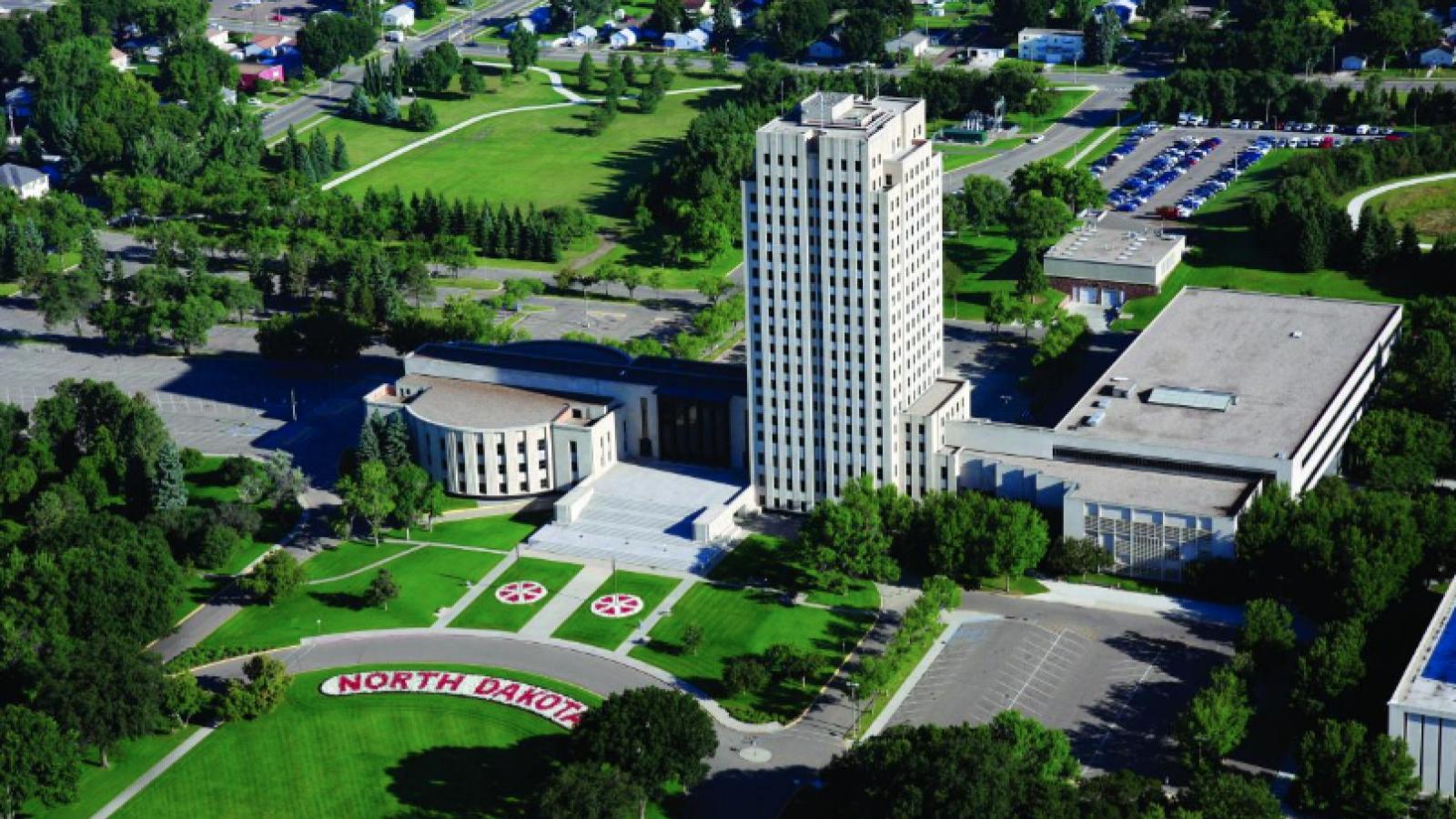
The Governor of North Dakota is the head of the executive branch of government of North Dakota and serves as the commander-in-chief of the state’s military forces.

The Constitution of North Dakota specifies that “the executive power is vested in the governor” in Section 1. Section 7 indicates that “the governor is the chief executive of the state. The governor shall have the responsibility to see that the state’s business is well administered and that its laws are faithfully executed.”[2]

Government Website    Wikipedia page
OnAir Post: ND Executive Branch

OH Executive Branch

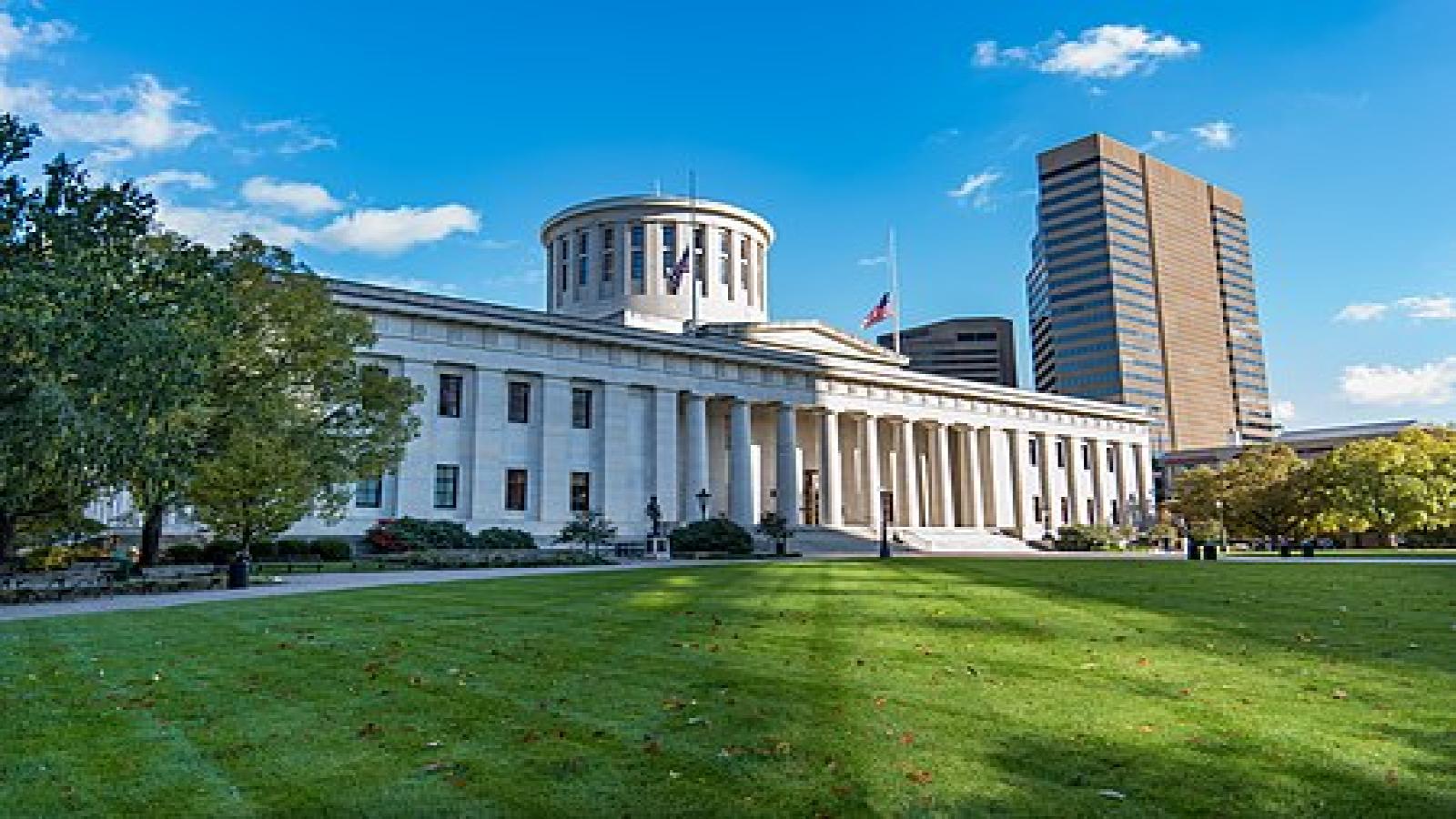
The government of the U.S. state of Ohio consists of the executive, judicial, and legislative branches. Its basic structure is set forth in the Constitution and law of Ohio.

Government Website   Wikipedia page  

OnAir Post: OH Executive Branch

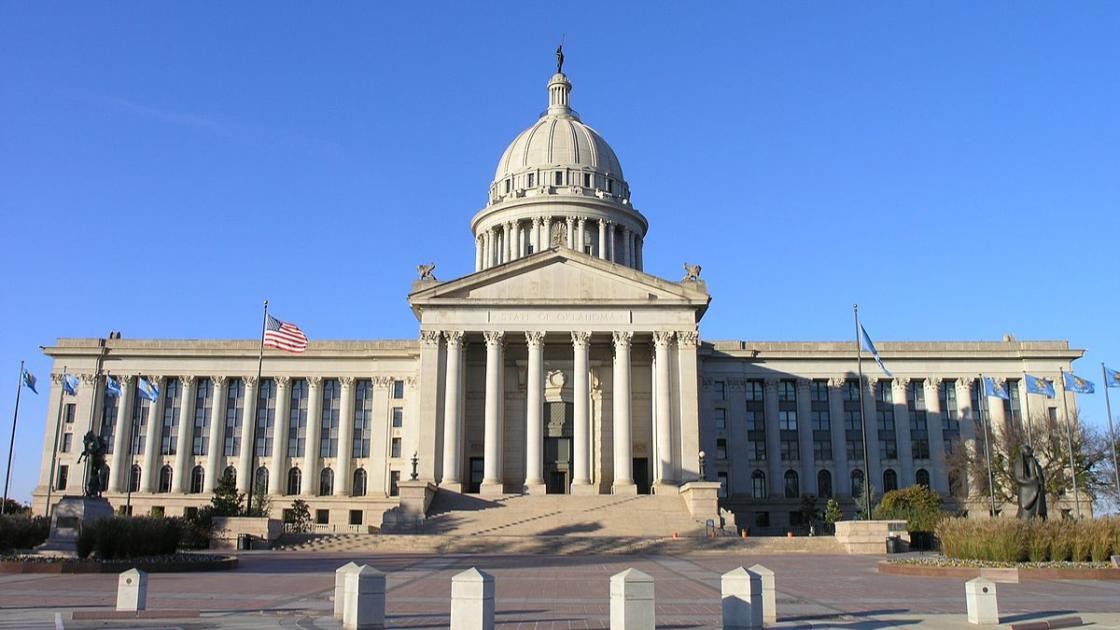
OK Executive Branch

The government of the U.S. State of Oklahoma, established by the Oklahoma Constitution, is a republican democracy modeled after the federal government of the United States. The state government has three branches: the executive, legislative, and judicial. Through a system of separation of powers or “checks and balances,” each of these branches has some authority to act on its own, some authority to regulate the other two branches, and has some of its own authority, in turn, regulated by the other branches.

The state government is based in Oklahoma City and the head of the executive branch is the Governor of Oklahoma. The legislative branch is called the Legislature and consists of the Oklahoma Senate and the Oklahoma House of Representatives. The Oklahoma Supreme Court and the Oklahoma Court of Criminal Appeals are the state’s highest courts.

Government Website    Wikipedia page

OnAir Post: OK Executive Branch

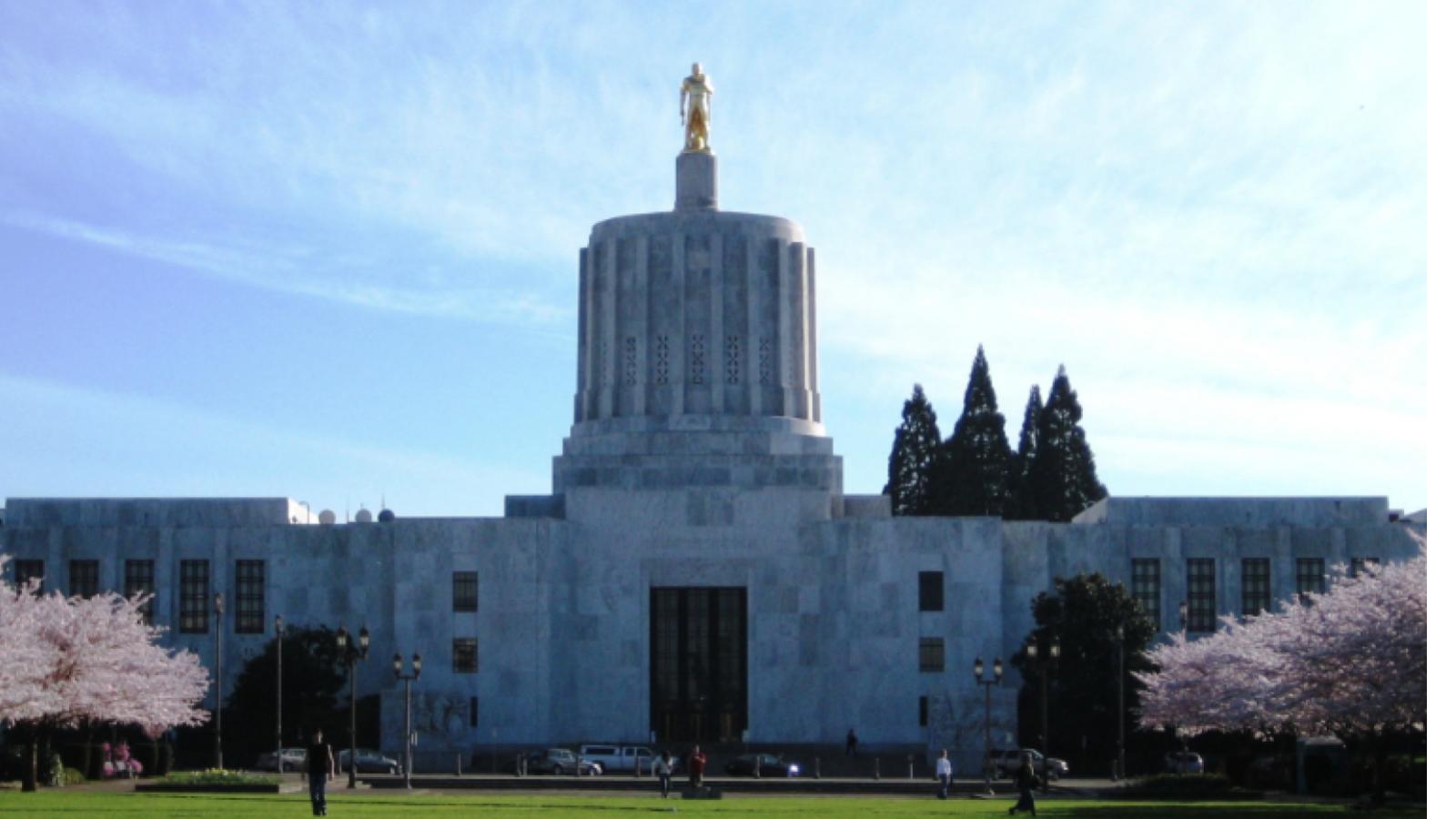
OR Executive Branch

The government of the U.S. state of Oregon, as prescribed by the Oregon Constitution, is composed of three government branches: the executive, the legislative, and the judicial. These branches operate in a manner similar to that of the federal government of the United States.

Oregon also has a system of commissions, wherein private citizens are appointed by the governor and confirmed by the Senate; these commissions have the authority to hire and fire the heads of the agencies they govern, and must confirm changes to the permanent rules governing those agencies.

Government Website    Wikipedia page

OnAir Post: OR Executive Branch

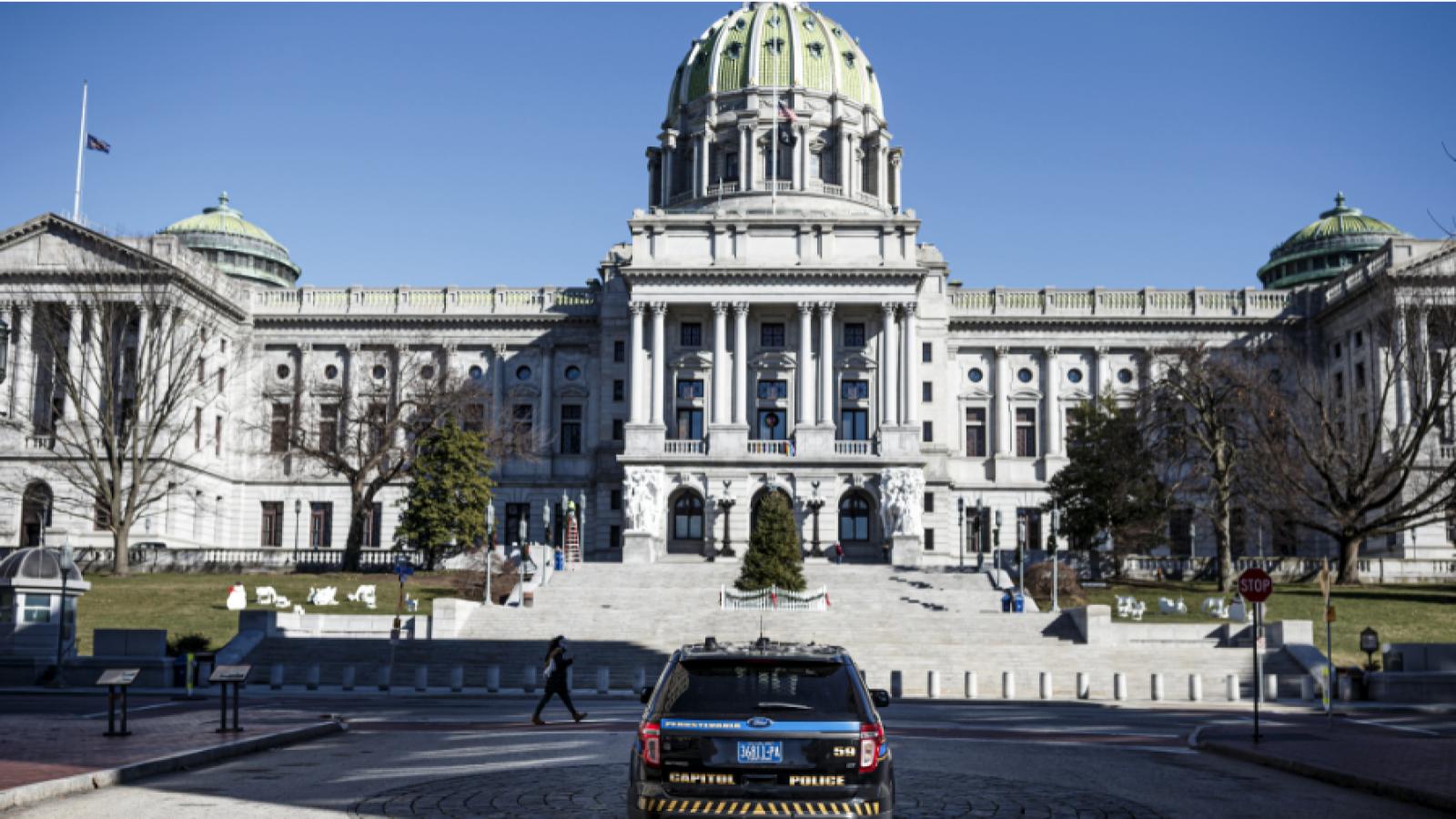
PA Executive Branch

The Government of the Commonwealth of Pennsylvania is the governmental structure of the Commonwealth of Pennsylvania as established by the Pennsylvania Constitution. It is composed of three branches: executive, legislative and judicial. The capital of the Commonwealth is Harrisburg.

Government Website    Wikipedia page

OnAir Post: PA Executive Branch

RI Executive Branch

The government of the state of Rhode Island is prescribed from a multitude of sources; the main sources are the Rhode Island Constitution, the General Laws, and executive orders. The governmental structure is modeled on the Government of the United States in having three branches: executive, legislative, and judicial.

Government Website    Wikipedia page

OnAir Post: RI Executive Branch

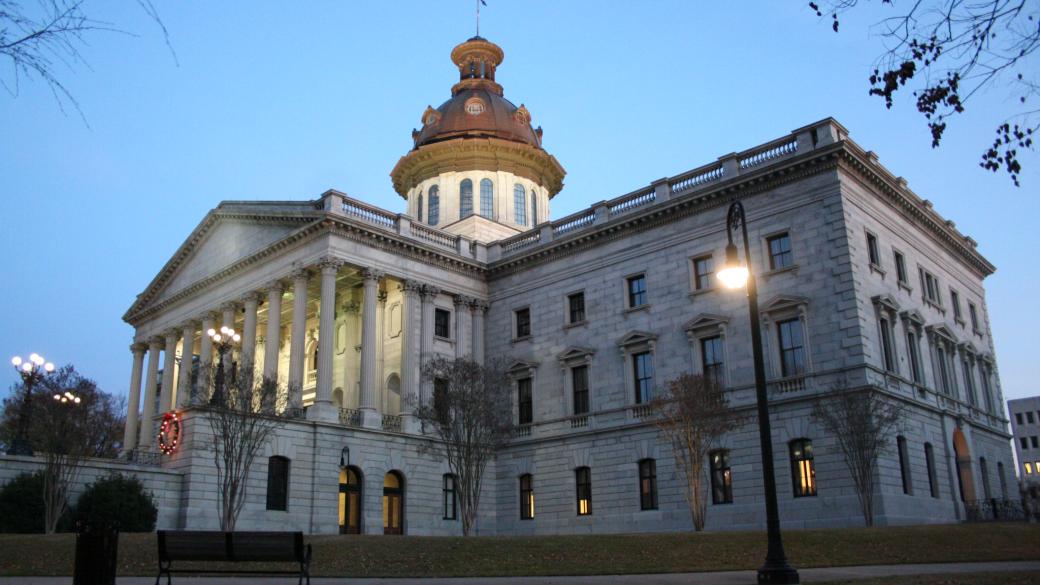
SC Executive Branch

South Carolina government and politics covers the three different branches of government, as well as the state constitution, law enforcement agencies, federal representation, state finances, and state taxes. South Carolina is a state in the United States of America and was the eighth admitted to the Union. The state of South Carolina was preceded by the Crown Colony of South Carolina, a constitutional monarchy which was overthrown during the American Revolution. Presently, South Carolina’s government is formed as a representative democracy.

Government Website    Wikipedia page

OnAir Post: SC Executive Branch

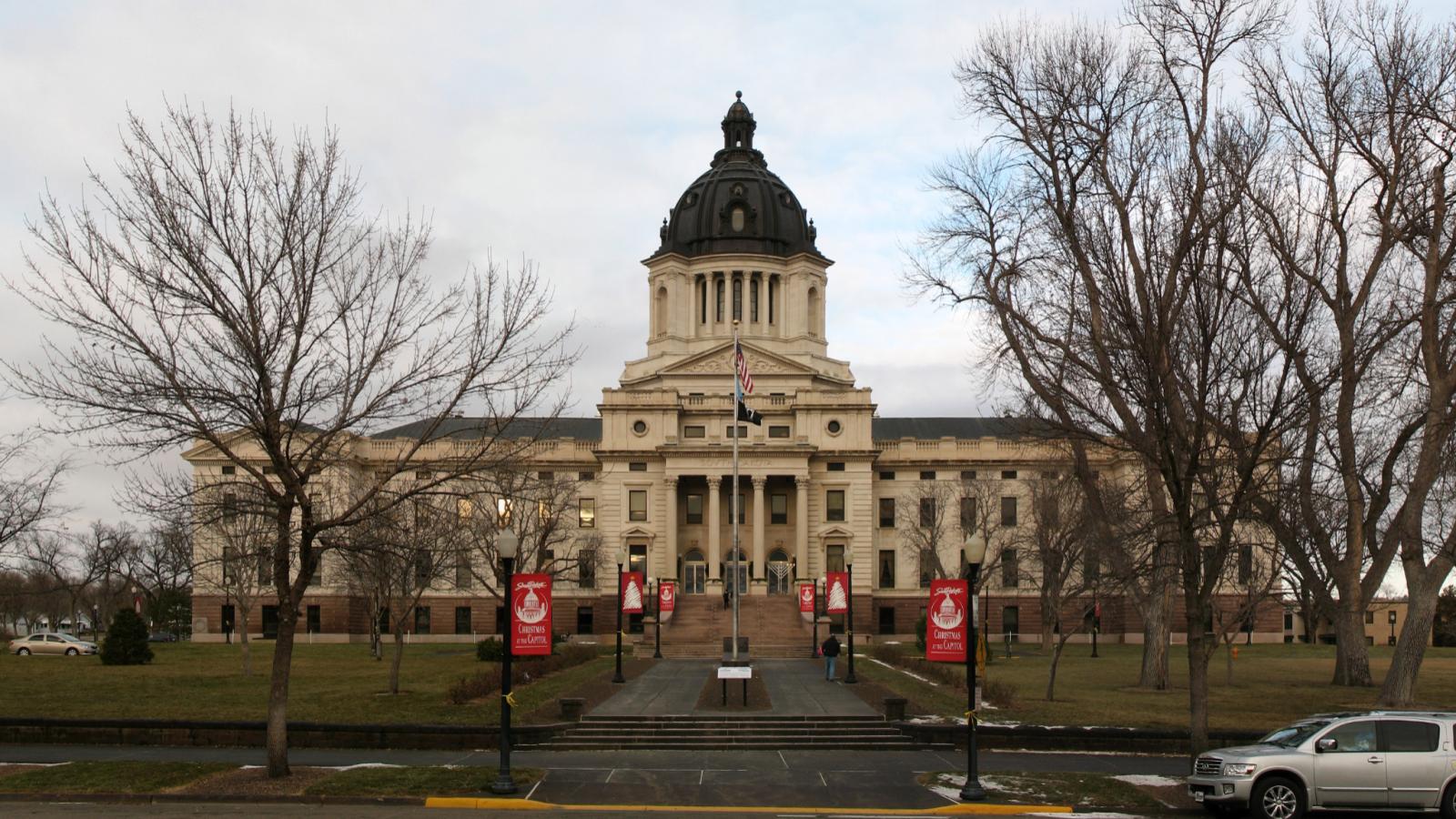
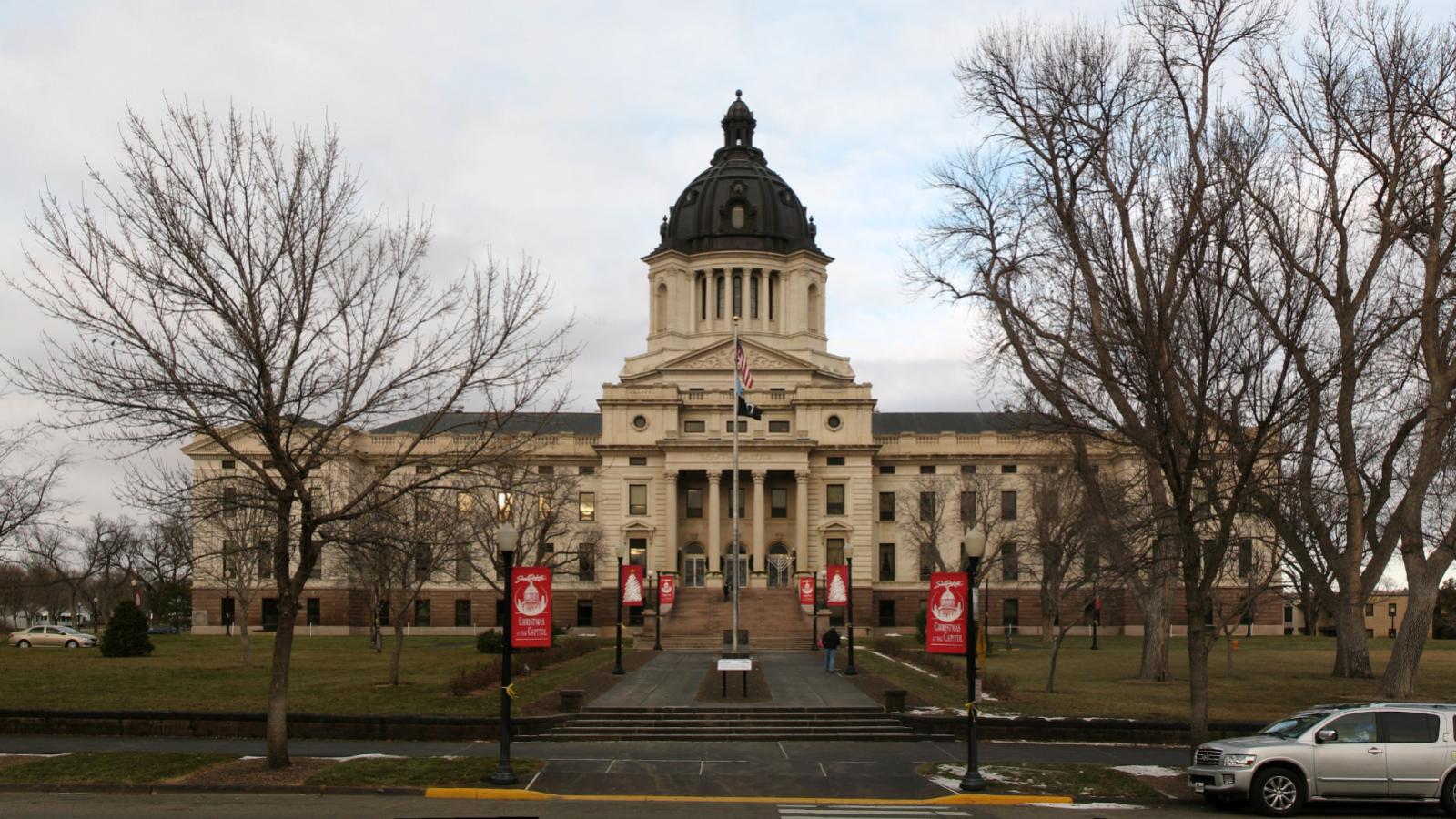
SD Executive Branch

The structure of the Government of South Dakota is based on that of the federal government, with three branches of government: executive, legislative, and judicial. The structure of the state government is laid out in the Constitution of South Dakota, the highest law in the state. The constitution may be amended either by a majority vote of both houses of the legislature, or by voter initiative.

Government Website    Wikipedia page

OnAir Post: SD Executive Branch

TN Executive Branch

The government of Tennessee is organized under the provisions of the 1870 Constitution of Tennessee, first adopted in 1796. As set forth by the state constitution, Tennessee’s government is divided into three branches: executive, judicial, and legislative branches. The seat of the government in Tennessee is in its capital city of Nashville.

Government Website    Wikipedia page

OnAir Post: TN Executive Branch

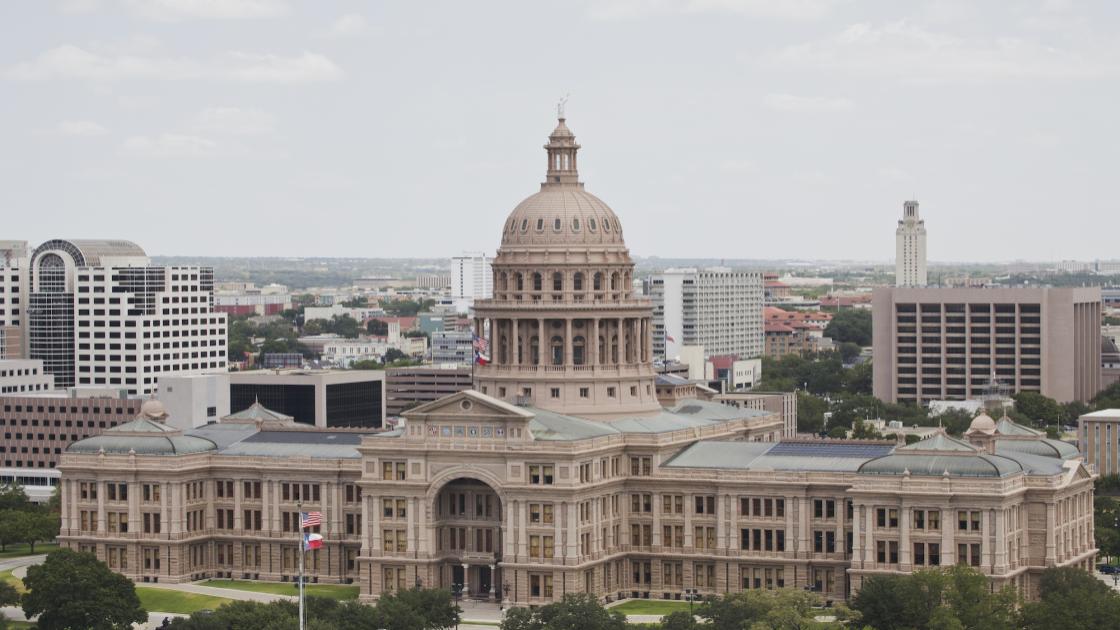
TX Executive Branch

The government of Texas operates under the Constitution of Texas and consists of a unitary democratic state government operating under a presidential system that uses the Dillon Rule, as well as governments at the county and municipal levels.

Austin is the capital of Texas. The State Capitol resembles the United States Capitol in Washington, D.C., but is faced in Texas pink granite and is topped by a statue of the “Goddess of Liberty” holding aloft a five-point Texas star. The capitol is also notable for purposely being built seven feet taller than the U.S. national capitol.

Government Website    Wikipedia page

OnAir Post: TX Executive Branch

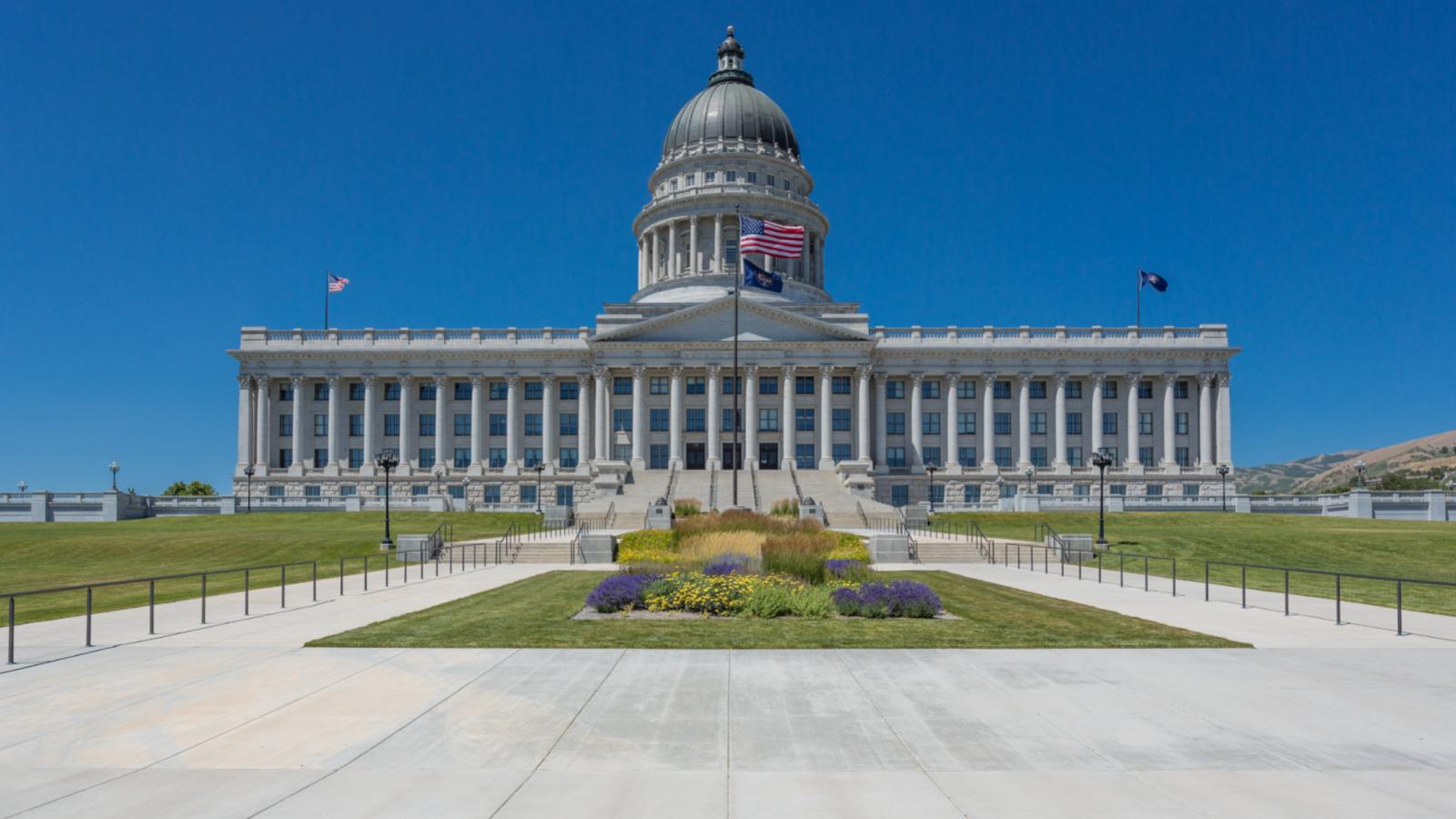
UT Executive Branch

Utah is a state in the United States of America. Its government consists of a state executive, legislative, and judicial branch, laid forth by the Constitution and law of the State of Utah.

Government Website

Wikipedia page

OnAir Post: UT Executive Branch

VT Executive Branch

The government of Vermont is a republican form of government modeled after the Government of the United States. The Constitution of Vermont is the supreme law of the state, followed by the Vermont Statutes. This is roughly analogous to the Federal United States Constitution, United States Code and Code of Federal Regulations respectively. Provision is made for the following frame of government under the Constitution of the State of Vermont: the executive branch, the legislative branch, and the judicial branch. All members of the executive and legislative branch serve two-year terms including the governor and senators. There are no term limits for any office.

The Vermont state capital is Montpelier. In 1791, Vermont joined the United States as the fourteenth state.

An in-depth evaluation of government in 2008 ranked Vermont high compared to other states. It ranked highest in “small discrete issues and huge global ones.” It performed poorly in the issues in-between and planning for the future.

Government Website    Wikipedia page

OnAir Post: VT Executive Branch

VA Executive Branch

The statewide elected officials are governor, lieutenant governor, and attorney general.

All three officers are separately elected four-year terms in years following Presidential elections (1997, 2001, 2005, etc.) and take office in January of the following year. Virginia is one of only five states that elects its state officials in odd numbered years (the others are Kentucky, Louisiana, Mississippi, and New Jersey). The last gubernatorial election was in 2017, and the next will occur in 2021.

The governor serves as chief executive officer of the Commonwealth and as commander-in-chief of its militia. The Constitution does not allow a governor to succeed himself in office (though a governor is allowed to serve multiple non-consecutive terms). The Lieutenant Governor, who is not elected on the same ticket as the governor, serves as president of the Senate of Virginia and is first in the line of succession to the governor. The Lieutenant Governor is allowed to run for reelection. The Attorney General is chief legal advisor to the governor and the General Assembly, chief lawyer of the Commonwealth and the head of the Department of Law. The attorney general is second in the line of succession to the governor. Whenever there is a vacancy in all three executive offices of governor, lieutenant governor, and attorney general, then the Speaker of the House of the Virginia House of Delegates becomes governor.


OnAir Post: VA Executive Branch

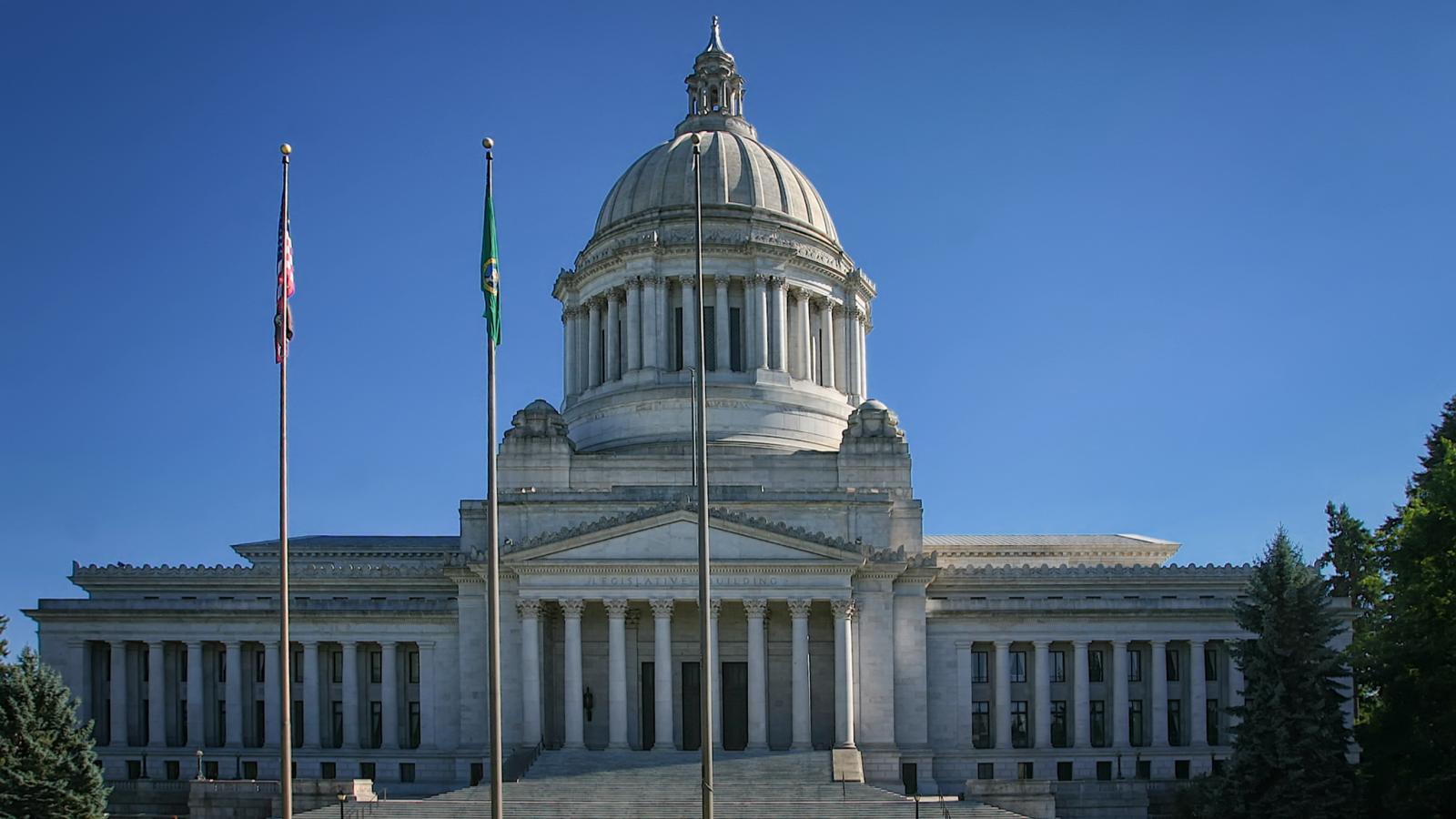
WA Executive Branch

The government of Washington State is the governmental structure of the State of Washington as established by the Constitution of the State of Washington. The executive is composed of the Governor, several other statewide elected officials and the Governor’s cabinet. The Washington State Legislature consists of the House of Representatives and State Senate. The judiciary is composed of the Washington Supreme Court and lower courts. There is also local government, consisting of counties, municipalities and special districts.

Government Website    Wikipedia page

OnAir Post: WA Executive Branch

WV Executive Branch

The Government of West Virginia is modeled after the Government of the United States, with three branches: the executive, consisting of the Governor of West Virginia and the other elected constitutional officers; the legislative, consisting of the West Virginia Legislature which includes the Senate and the House of Delegates; and the judicial, consisting of the West Virginia Supreme Court of Appeals and lower courts.

The capital and seat of government in West Virginia is the city of Charleston, located in the southwest area of the state.

Government Website    Wikipedia page

OnAir Post: WV Executive Branch

WI Executive Branch

Wisconsin’s Constitution outlines the structure and function of state government, which is organized into three branches: executive, legislative, and judicial. The Wisconsin Blue Book is the primary published reference about the government and politics of the state. Re-published every two years, copies are available from state legislators.

Executive

Governor Tony Evers (D)
The executive branch is headed by the governor. The current governor, Tony Evers, assumed office on January 7, 2019. In addition to the governor, the executive branch includes five other elected constitutional officers: Lieutenant Governor, Secretary of State, Attorney General, Treasurer, and State Superintendent of Public Instruction. Four members of the Wisconsin executive branch are Democrats. The Superintendent of Public Instruction of Wisconsin is a non-partisan position.

Government Website    Wikipedia page 

OnAir Post: WI Executive Branch

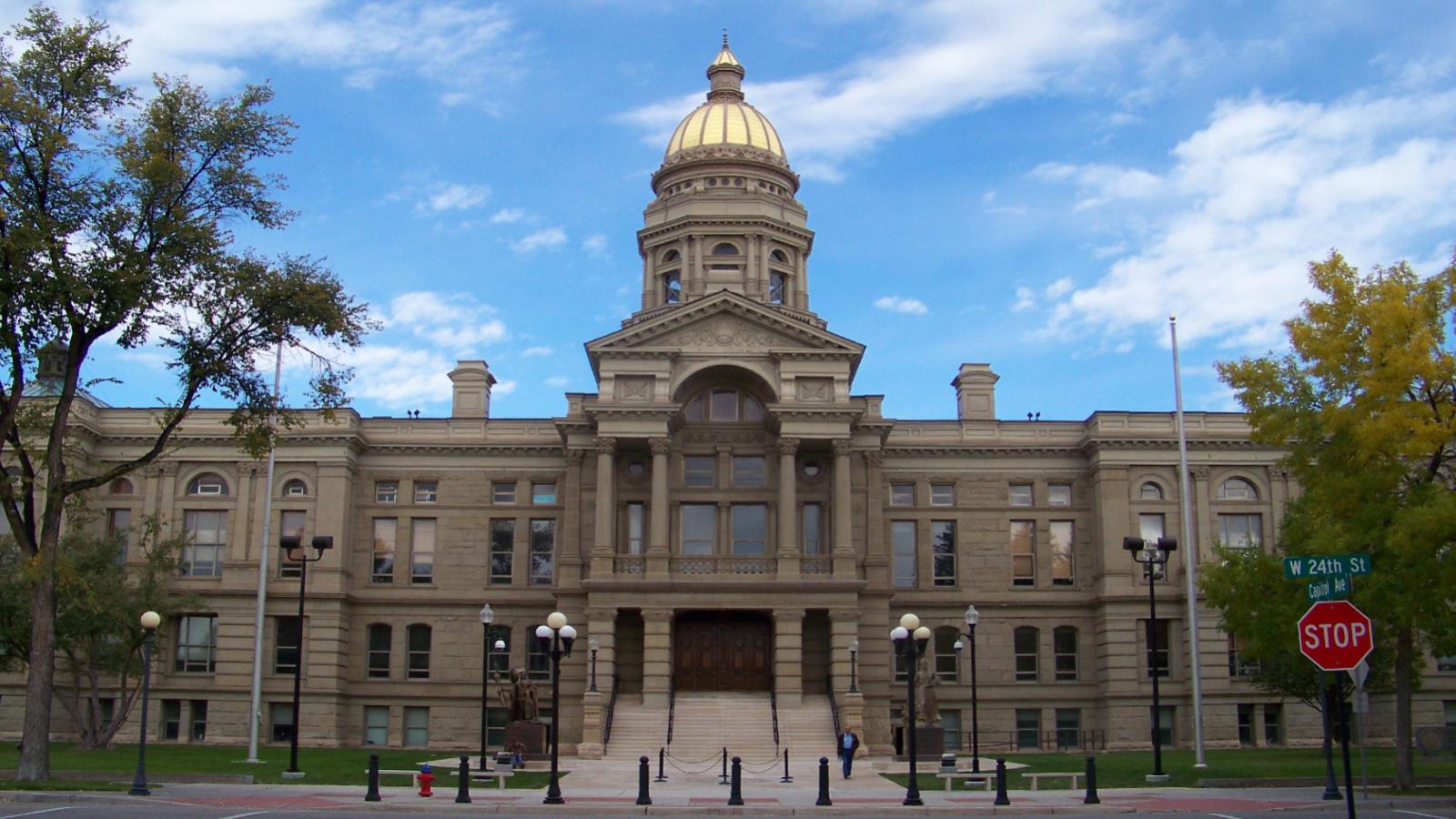
WY Executive Branch

There are five elected executives: governor, auditor, treasurer, superintendent of public instruction, and secretary of state; there is no lieutenant governor.

OnAir Post: WY Executive Branch

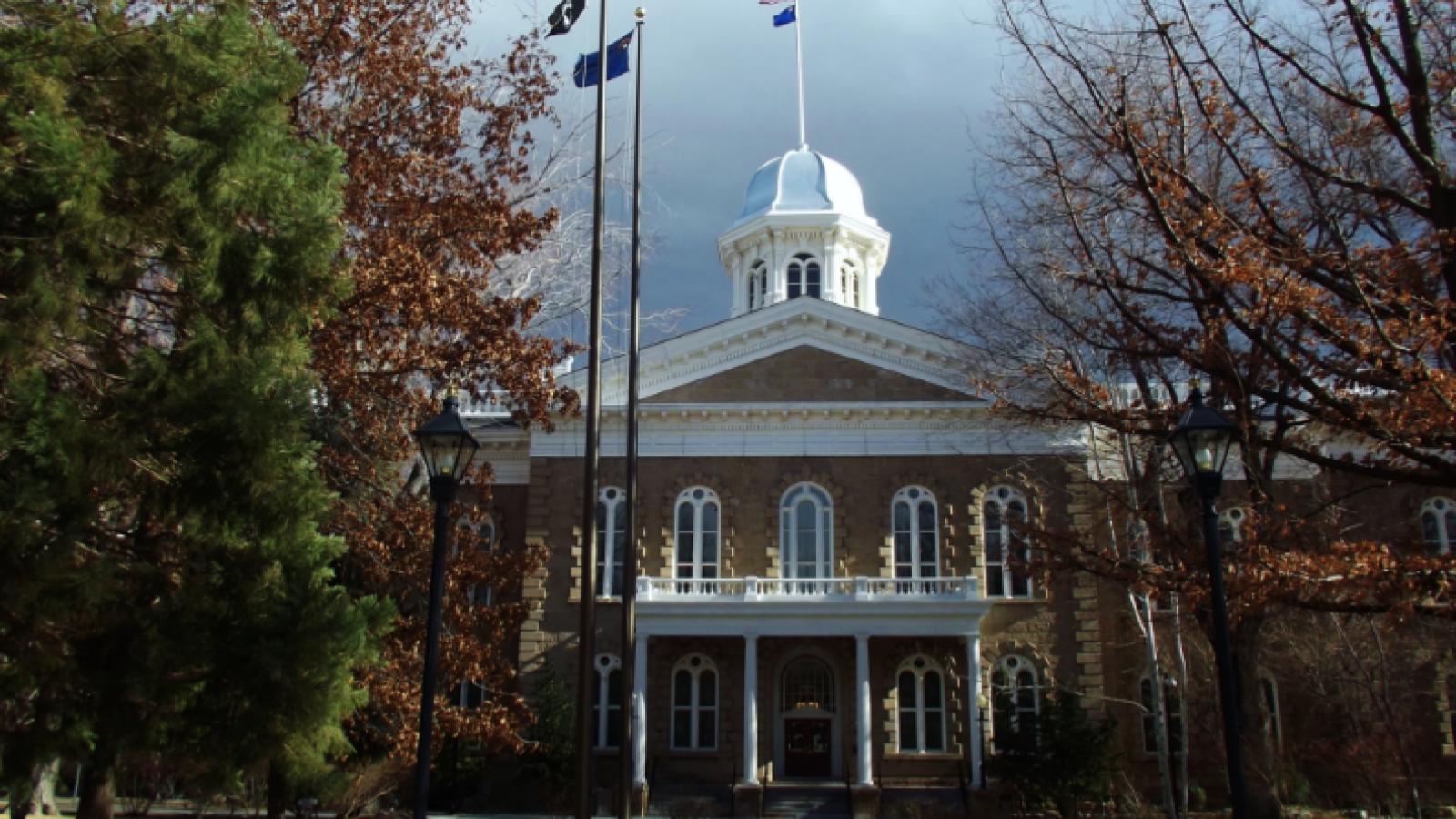
NH Executive Branch

The Executive Branch consists of the Governor, Executive Councilors, and state agencies. This branch enacts and enforces the laws of the state.

The Governor is the supreme executive and shall be called His or Her Excellency. According to our the state’s constitution, the Governor is responsible for the faithful execution of the law. This responsibility is met with the assistance of the Executive Council and state agencies. New Hampshire is unique because of the five member Executive Council who work with, advise and share the governor’s responsibilities. The Governor nominates and the Council and Governor appoint people to fill positions of agency directors and commissioners, judges and the Attorney General. The Governor and Executive Council are responsible for awarding state contracts. Either one shall have a negative on the other, allowing the Council to veto the Governor’s actions. While a few other state have Executive Councils (Massachusetts for example), they exist in an advisory capacity only. In New Hampshire, the Executive Council has a strong check on the Governor’s power. Both the Governor and Councilors are elected to two year terms.

State agencies work under the direction of the Governor. The heads of the agencies are appointed by the Governor and Council but because of their terms of office, they may work under a different Governor and Council than the one that appointed them. The functions of the agencies are defined by the laws passed by the legislature and by executive order of the Governor. The responsibilities of state agencies include public health and safety, education, cultural affairs, environmental protection and economic development. Agencies promulgate rules to assist them in carrying out their duties. The rules have the force of law.

OnAir Post: NH Executive Branch

Skip to toolbar