The United States has a long and storied history of scientific and technological innovation, serving as a global leader in many fields. This leadership is driven by factors such as:
- Strong research institutions: The nation boasts world-class universities, research laboratories, and national scientific foundations that foster groundbreaking research.
- Government support: Federal agencies like the National Science Foundation (NSF) and the National Institutes of Health (NIH) provide significant funding for scientific research and development.
- A culture of innovation: The United States has a culture that encourages risk-taking, entrepreneurship, and the pursuit of new ideas.
- Collaboration: The U.S. has a strong tradition of collaboration between academia, industry, and government, leading to efficient knowledge transfer and commercialization of research.
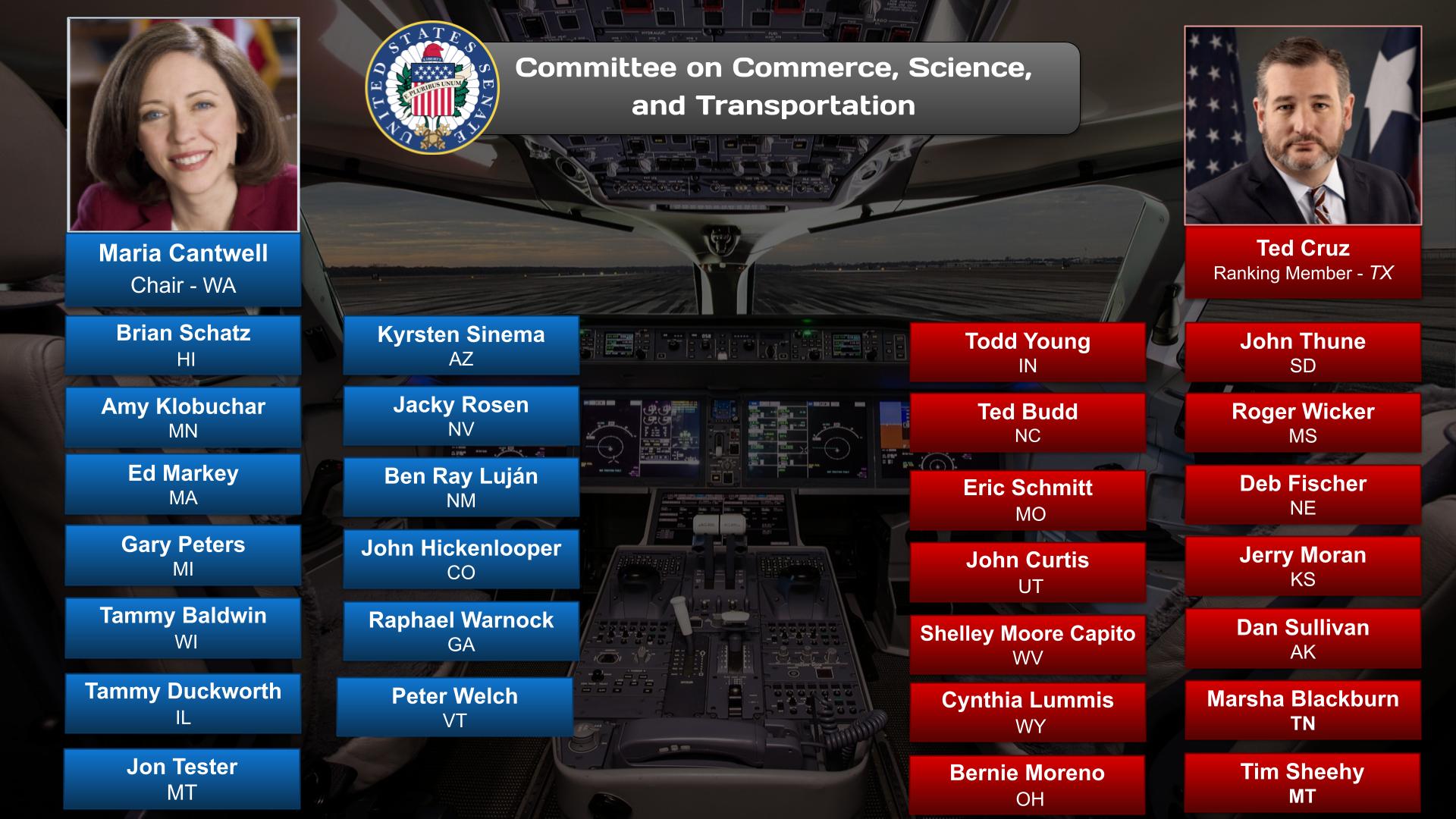
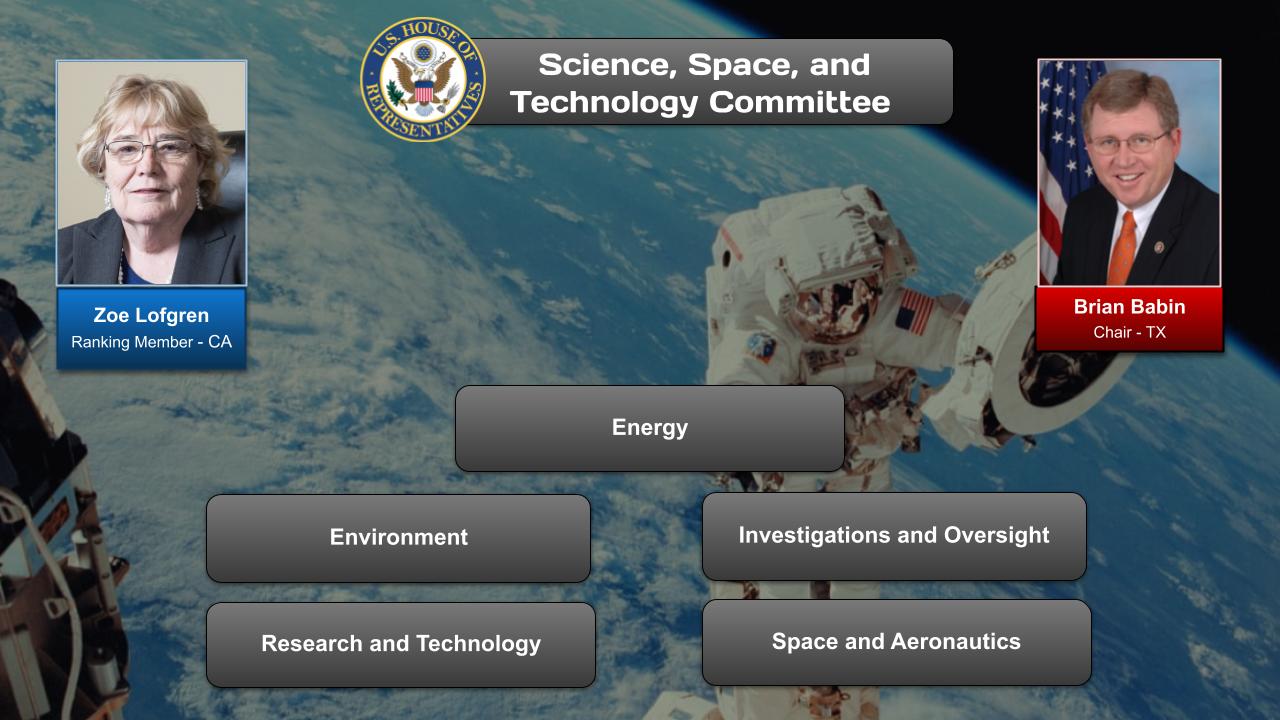
There are many issues related to Science & Technology that Congress is looking to address with legislation. In the ‘About’ section of this post is an overview of the issues and potential solutions, party positions, and web links. Other sections have information on relevant committees, chairs, & caucuses; departments & agencies; and the judiciary, nonpartisan & partisan organizations, and a wikipedia entry.
To participate in ongoing forums, ask the post’s curators questions, and make suggestions, scroll to the ‘Discuss’ section at the bottom of each post or select the “comment” icon.
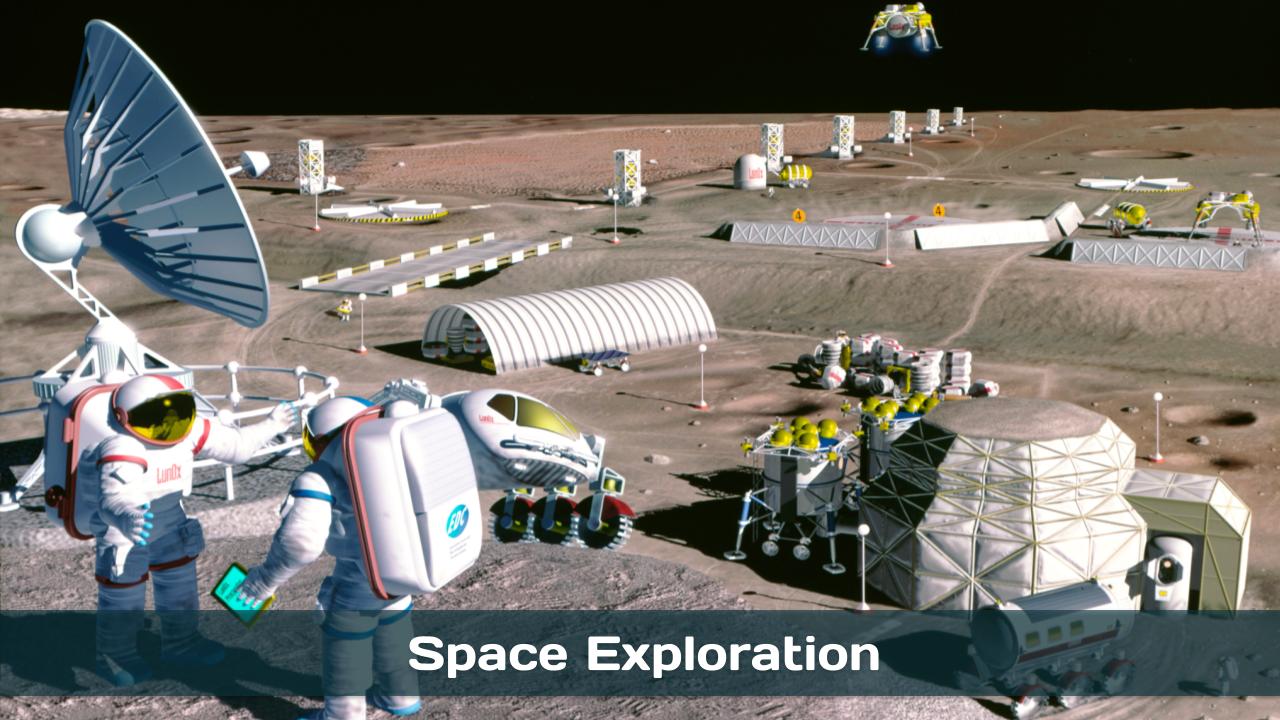
The Science & Technology category has related posts and three posts on issues of particular focus: Nanotechnology, Artificial General Intelligence (AGI), Space Exploration.
CNET – 28/12/2023 (03:03)
https://www.youtube.com/watch?v=4LeyxVxl480
We run down the top tech trends to watch in 2024: quantum computers, electric vehicles, and brain-computer interfaces.
OnAir Post: Science & Technology