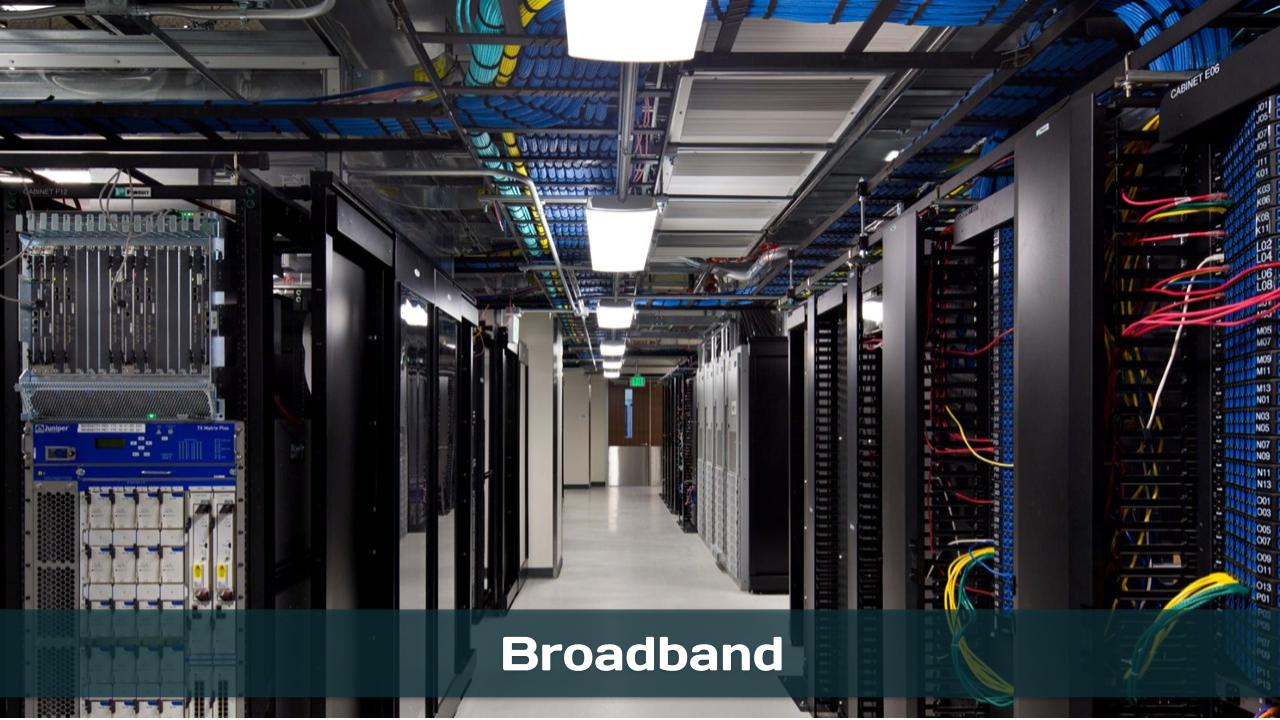
Broadband access includes a wide range of speeds and technologies, all of which provide much faster access to the Internet than dial-up. The term “broadband” once had a technical meaning, but today it is more often used as a marketing buzzword to simply mean “faster”. Broadband connections are continuous or “always on” connections, without the need to dial and hangup, and do not monopolize phone lines.
- In the ‘About’ section of this post is an overview of the issues or challenges, potential solutions, and web links. Other sections have information on relevant legislation, committees, agencies, programs in addition to information on the judiciary, nonpartisan & partisan organizations, and a wikipedia entry.
- To participate in ongoing forums, ask the post’s curators questions, and make suggestions, scroll to the ‘Discuss’ section at the bottom of each post or select the “comment” icon.
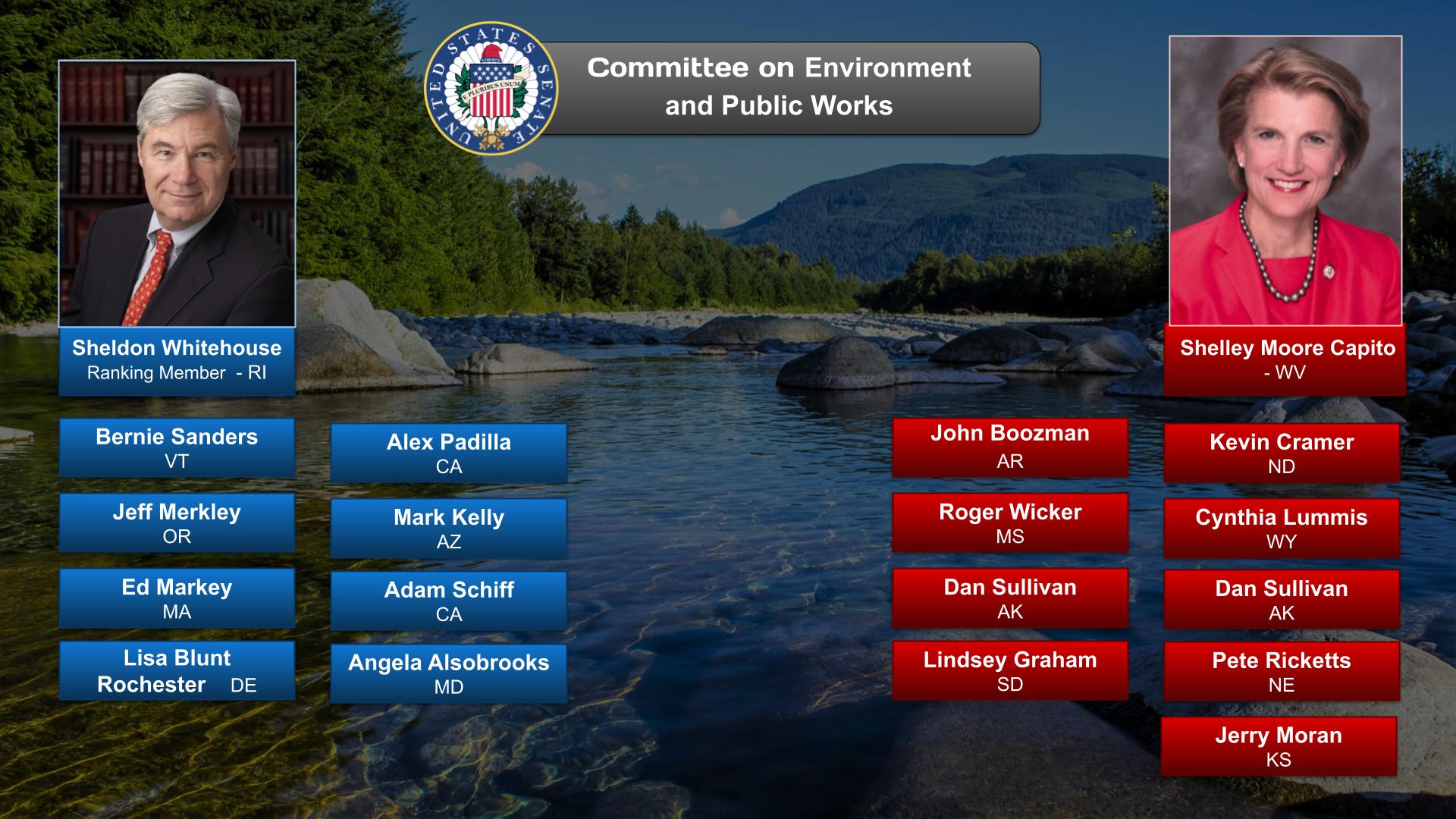
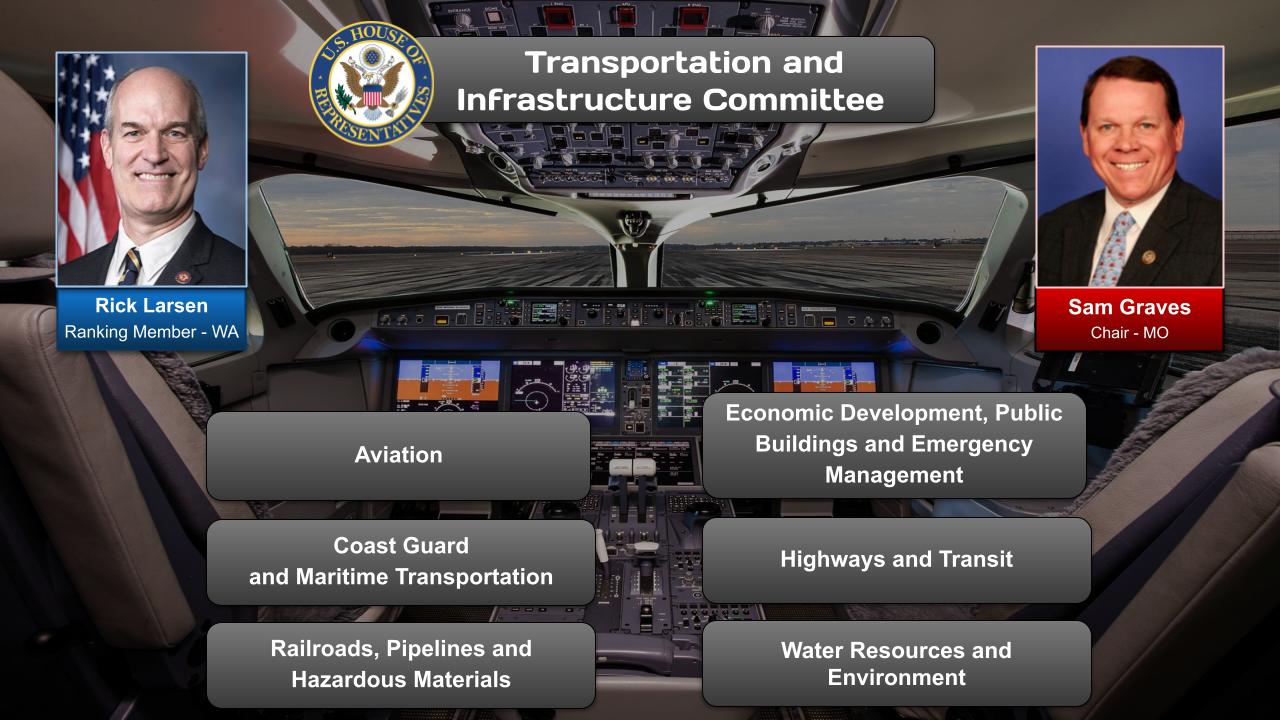
The Broadband category has related posts on government agencies and departments and committees and their Chairs.
PBS NewsHour (06:51)
https://www.youtube.com/watch?v=M0FtwKbdX_s
The so-called “digital divide” remains a major issue in America when it comes to providing high-speed internet, particularly in rural and other low-income communities. The Biden administration on Monday announced new commitments from 20 internet providers to help close that gap by lowering the cost for millions. The Brookings Institution’s Nicol Turner Lee joins Stephanie Sy to discuss.
OnAir Post: Broadband