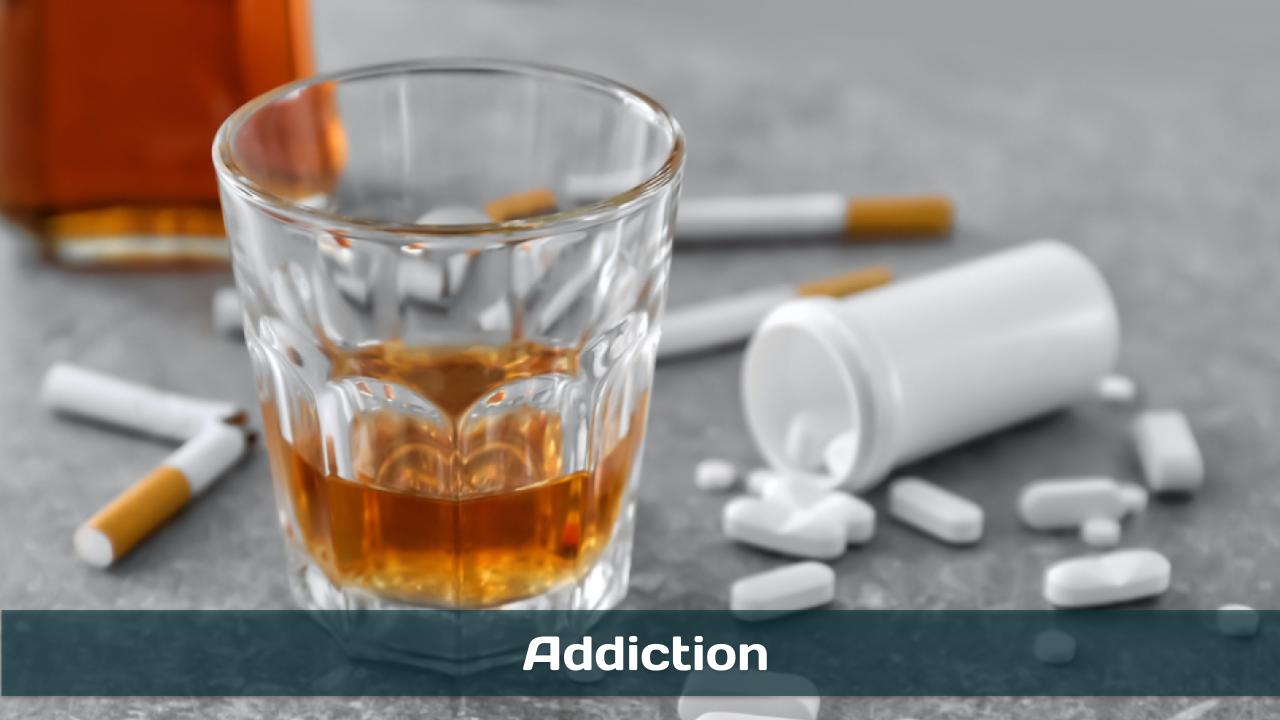
Addiction is a neuropsychological disorder characterized by a persistent and intense urge to use a drug or engage in a behaviour that produces natural reward, despite substantial harm and other negative consequences. Repetitive drug use often alters brain function in ways that perpetuate craving, and weakens (but does not completely negate) self-control.
- In the ‘About’ section of this post is an overview of the issues or challenges, potential solutions, and web links. Other sections have information on relevant legislation, committees, agencies, programs in addition to information on the judiciary, nonpartisan & partisan organizations, and a wikipedia entry.
- To participate in ongoing forums, ask the post’s curators questions, and make suggestions, scroll to the ‘Discuss’ section at the bottom of each post or select the “comment” icon.
The Addiction category has related posts on government agencies and departments and committees and their Chairs.
PBS NOVA – 01/04/2022 (53:20)
https://www.youtube.com/watch?v=qJ-qX3yrxC0
Hear firsthand from individuals struggling with opioid addiction and follow the cutting-edge work of doctors and scientists as they investigate why addiction is not a moral failing, but a chronic, treatable medical condition.
Easy access to drugs like heroin, fentanyl, and even prescription medications like OxyContin has fueled an epidemic of addiction—the deadliest in U.S. history. Now, science is revealing how addiction affects the brain, and top experts are gathering evidence about how we should address our drug problem, from embracing evidence-based treatments, to rethinking public policies.
Chapters 00:00 Introduction
03:00 OxyContin Addiction Case Study in West Virginia
07:20 Opioid Addiction Case Study
10:40 What Causes Addiction?
21:00 The Dangers of Fentanyl: Case Study
28:19 Controlling Cravings for Opioids
36:04 Impacts of Addiction on Children
41:58 Action Being Taken to Combat Addiction
OnAir Post: Addiction