Healthcare

Healthcare is a broad term encompassing the diagnosis, treatment, and prevention of disease, as well as the maintenance of health. It is an essential component of any society, providing individuals with the tools and resources to live healthy, productive lives.

  • There are many issues related to Healthcare that Congress is looking to address with legislation. In the ‘About’ section of this post is an overview of the issues and potential solutions, party positions, and web links. Other sections have information on relevant committees, chairs, & caucuses; departments & agencies; and the judiciary, nonpartisan & partisan organizations, and a wikipedia entry.
  • To participate in ongoing forums, ask the post’s curators questions, and make suggestions, scroll to the ‘Discuss’ section at the bottom of each post or select the “comment” icon.

The Healthcare category has related posts and three posts on issues of particular focus: Infectious Diseases, Addictions, and Health Promotion.

OnAir Post: Healthcare

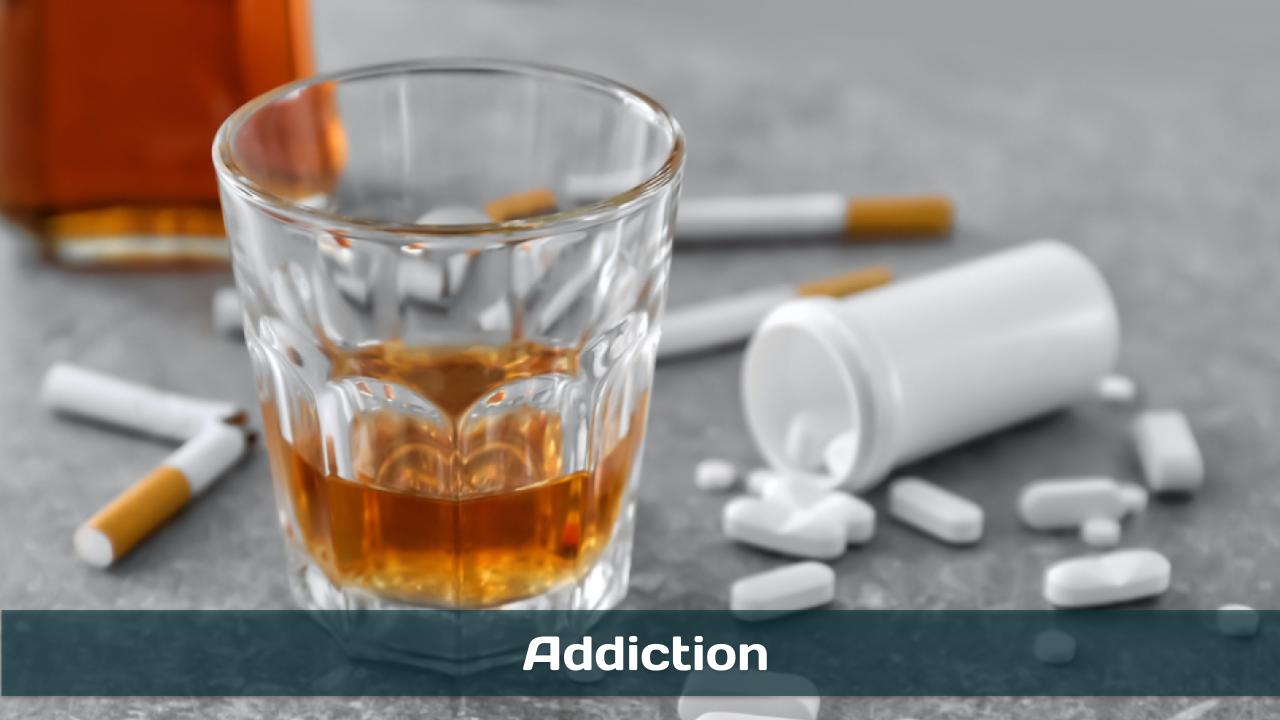
Addiction

Addiction is a neuropsychological disorder characterized by a persistent and intense urge to use a drug or engage in a behaviour that produces natural reward, despite substantial harm and other negative consequences. Repetitive drug use often alters brain function in ways that perpetuate craving, and weakens (but does not completely negate) self-control.

  • In the ‘About’ section of this post is an overview of the issues or challenges, potential solutions, and web links. Other sections have information on relevant legislation, committees, agencies, programs in addition to information on the judiciary, nonpartisan & partisan organizations, and a wikipedia entry.
  • To participate in ongoing forums, ask the post’s curators questions, and make suggestions, scroll to the ‘Discuss’ section at the bottom of each post or select the “comment” icon.

The Addiction  category has related posts on government agencies and departments and  committees and their Chairs.

OnAir Post: Addiction

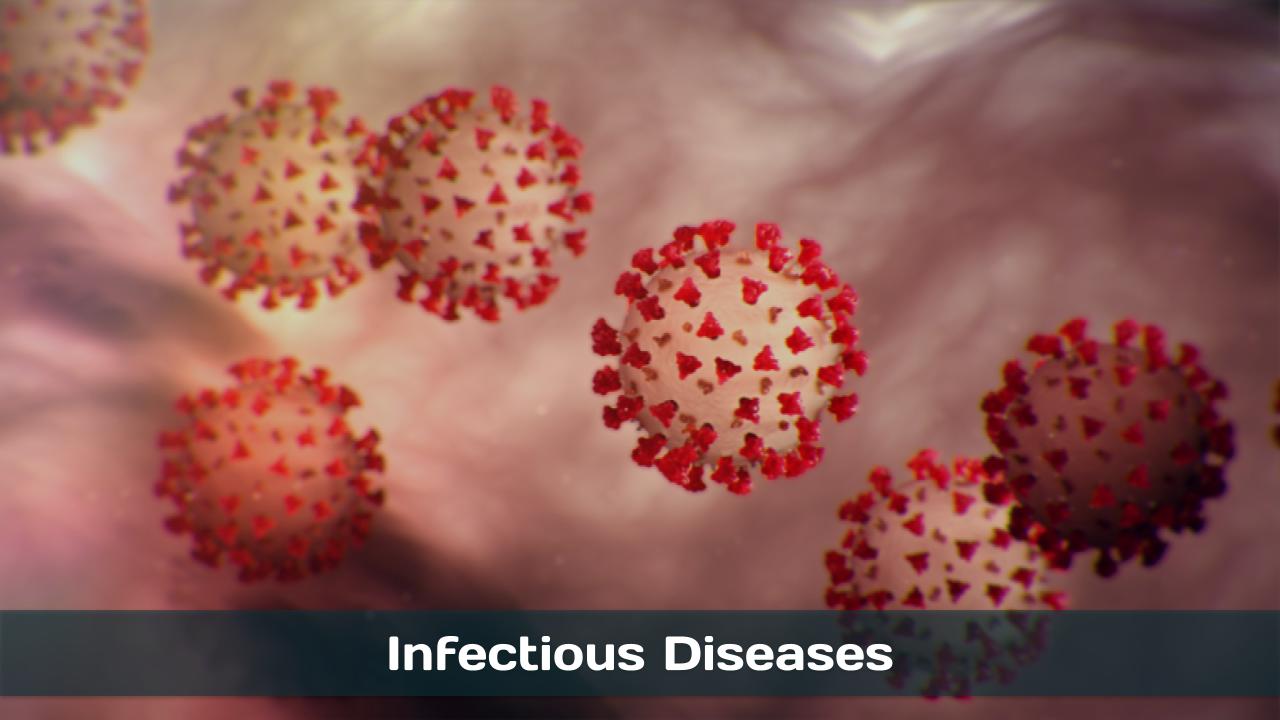
Infectious Diseases

Infectious diseases or ID, also known as infectiology, is a medical specialty dealing with the diagnosis and treatment of infections. An infectious diseases specialist’s practice consists of managing nosocomial (healthcare-acquired) infections or community-acquired infections. An ID specialist investigates and determines the cause of a disease (bacteria, virus, parasite, fungus or prions). Once the cause is known, an ID specialist can then run various tests to determine the best drug to treat the disease. While infectious diseases have always been around, the infectious disease specialty did not exist until the late 1900s after scientists and physicians in the 19th century paved the way with research on the sources of infectious disease and the development of vaccines.

  • In the ‘About’ section of this post is an overview of the issues or challenges, potential solutions, and web links. Other sections have information on relevant legislation, committees, agencies, programs in addition to information on the judiciary, nonpartisan & partisan organizations, and a wikipedia entry.
  • To participate in ongoing forums, ask the post’s curators questions, and make suggestions, scroll to the ‘Discuss’ section at the bottom of each post or select the “comment” icon.

The Infectious Diseases category has related posts on government agencies and departments and  committees and their Chairs.

OnAir Post: Infectious Diseases

Health Promotion

Health promotion is a public health function that aims to improve people’s health by helping them gain control over their health and well-being. It involves a variety of strategies, including: 

  • Education: Improving health knowledge, attitudes, and skills 
  • Behavior change: Encouraging voluntary lifestyle changes to reduce risk factors 
  • Social and environmental interventions: Creating supportive environments, building healthy public policies, and strengthening community action 
  • Collaboration: Working across sectors to achieve health equity

In the ‘About’ section of this post is an overview of the issues or challenges and potential solutions, and web links. Other sections have information on relevant committees, chairs, & caucuses; departments & agencies; and the judiciary, nonpartisan & partisan organizations, and a wikipedia entry.

To participate in ongoing forums, ask the post’s curators questions, and make suggestions, scroll to the ‘Discuss’ section at the bottom of each post or select the “comment” icon.

The Health Promotion category has related posts on government agencies and departments and  committees and their Chairs.

OnAir Post: Health Promotion

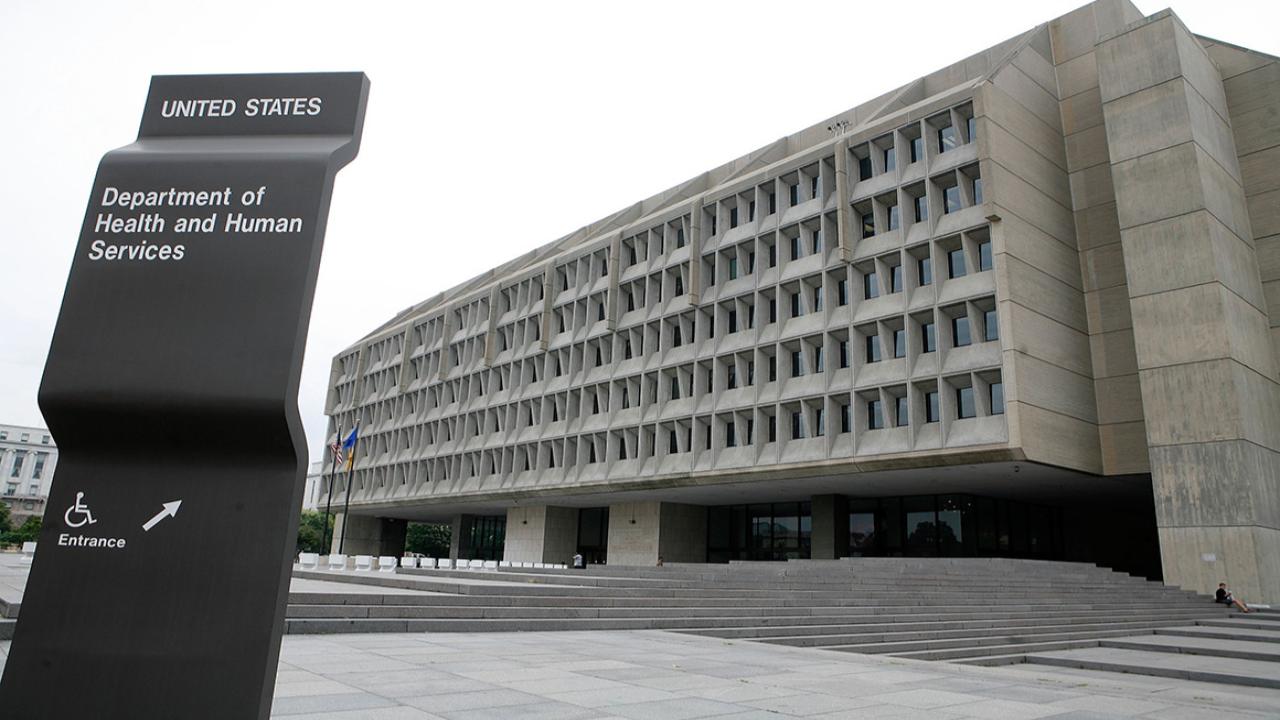
Health and Human Services Department (HHS)

The United States Department of Health and Human Services (HHS), is a cabinet-level executive branch department of the U.S. federal government created to protect the health of all Americans and providing essential human services. Its motto is “Improving the health, safety, and well-being of America”.

Before the separate federal Department of Education was created in 1979, it was called the Department of Health, Education, and Welfare (HEW).

OnAir Post: Health and Human Services Department (HHS)

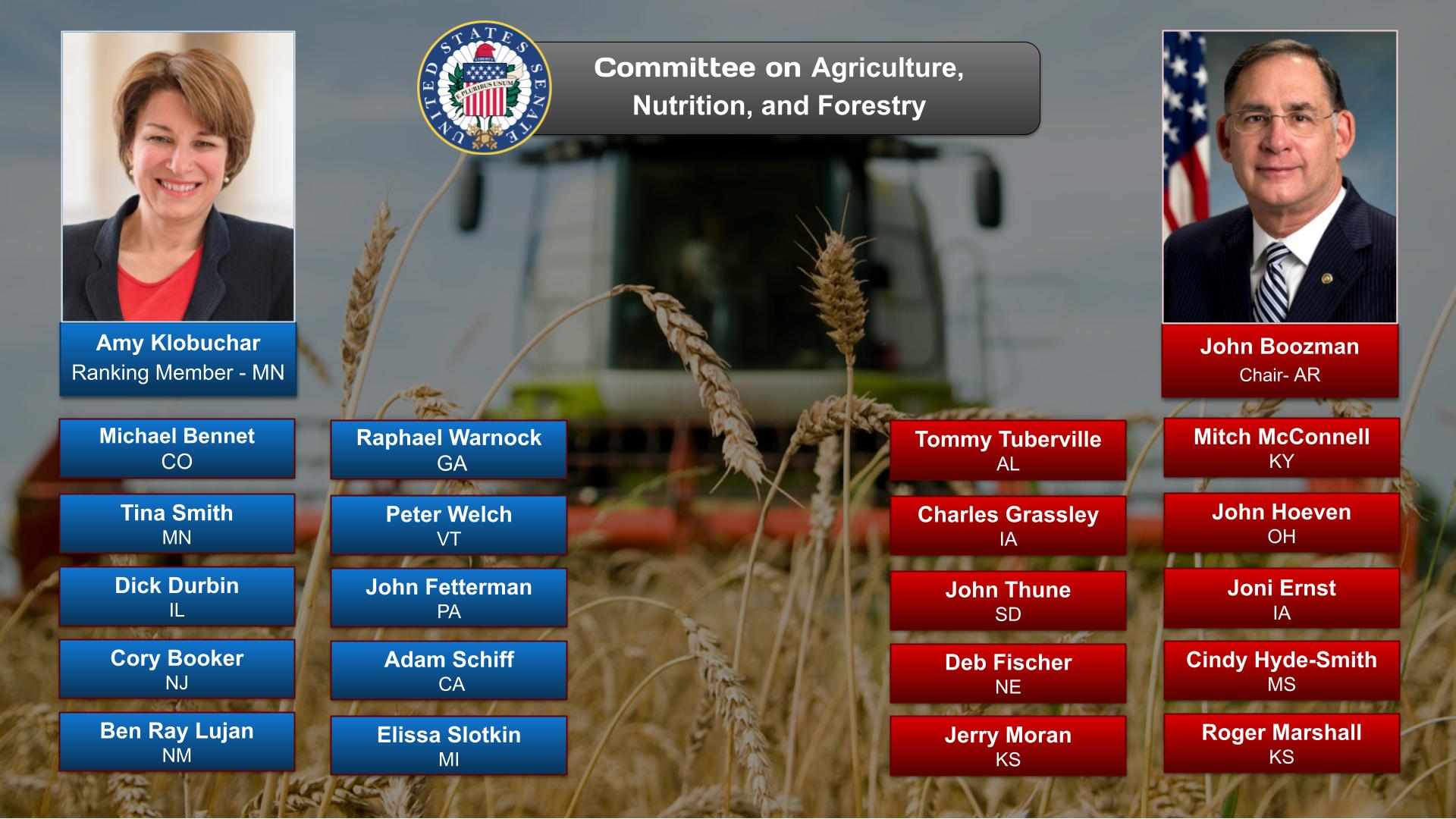
Agriculture, Nutrition, and Forestry Committee

Mission:  Empowered with legislative oversight of all matters relating to the nation’s agriculture industry, farming programs, forestry and logging, and legislation relating to nutrition, home economics, and rural development.

House Counterpart:  Committee on Agriculture

Democratic Members:
Klobuchar, Amy (MN), Ranking Member
Bennet, Michael F. (CO)
Smith, Tina (MN)
Durbin, Richard J. (IL)
Booker, Cory A. (NJ)
Lujan, Ben Ray (NM)
Warnock, Raphael G. (GA)
Welch, Peter (VT)
Fetterman, John (PA)
Schiff, Adam B. (CA)
Slotkin, Elissa (MI)

Republican Members:
Boozman, John (AR), Chairman
McConnell, Mitch (KY)
Hoeven, John (ND)
Ernst, Joni (IA)
Hyde-Smith, Cindy (MS)
Marshall, Roger (KS)
Tuberville, Tommy (AL)
Grassley, Chuck (IA)
Thune, John (SD)
Fischer, Deb (NE)
Moran, Jerry (KS)

Featured Video: Senate Ag Committee Holds Hearing to Examine Cattle Market

OnAir Post: Agriculture, Nutrition, and Forestry Committee

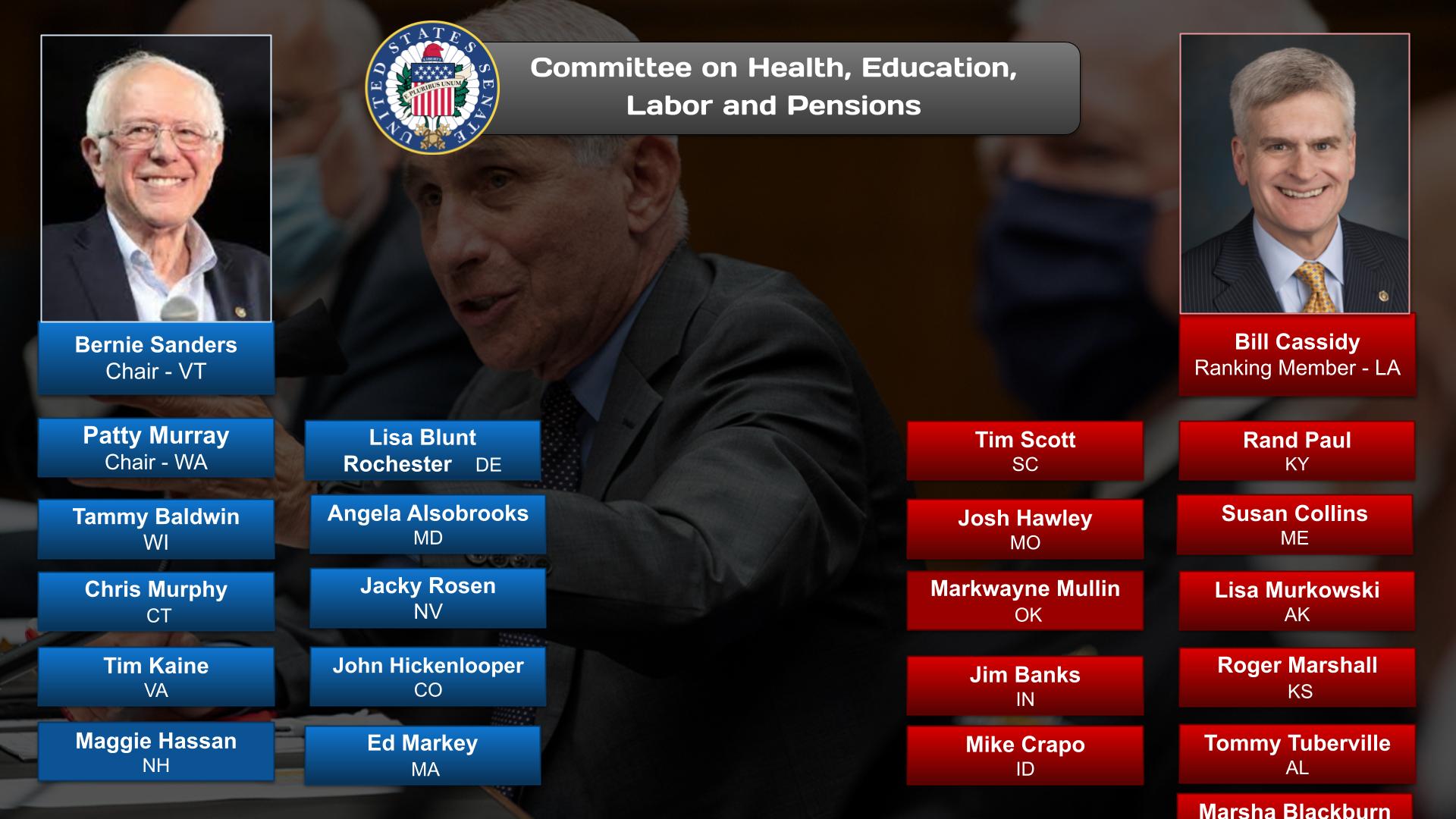
Health, Education, Labor, and Pensions Committee

Mission:  
The United States Senate Committee on Health, Education, Labor and Pensions (HELP) generally considers matters relating to these issues. Its jurisdiction extends beyond these issues to include several more specific areas, as defined by Senate rules.

House counterpart: Committee on Education and Labor

Democratic Members (Minority):
Bernie Sanders, Vermont – Ranking Member
Patty Murray, Washington
Tammy Baldwin, Wisconsin
Chris Murphy, Connecticut
Tim Kaine, Virginia
Lisa Blunt Rochester, Delaware
Angela Alsobrooks, Maryland
Ed Markey, Massachusetts
Andy Kim, New Jersey

Republican Members (Majority):
Bill Cassidy, Louisiana,
Rand Paul, Kentucky
Susan Collins, Maine
Lisa Murkowski, Alaska
Roger Marshall, Kansas
Tommy Tuberville, Alabama
Josh Hawley, Missouri
Tim Scott, South Carolina
Jim Banks, Indiana
Mike Crapo, Idaho
Marsha Blackburn, Tennessee

Featured Video: 
Senate Health, Education, Labor, and Pensions Cmte Hearing on COVID-19

OnAir Post: Health, Education, Labor, and Pensions Committee

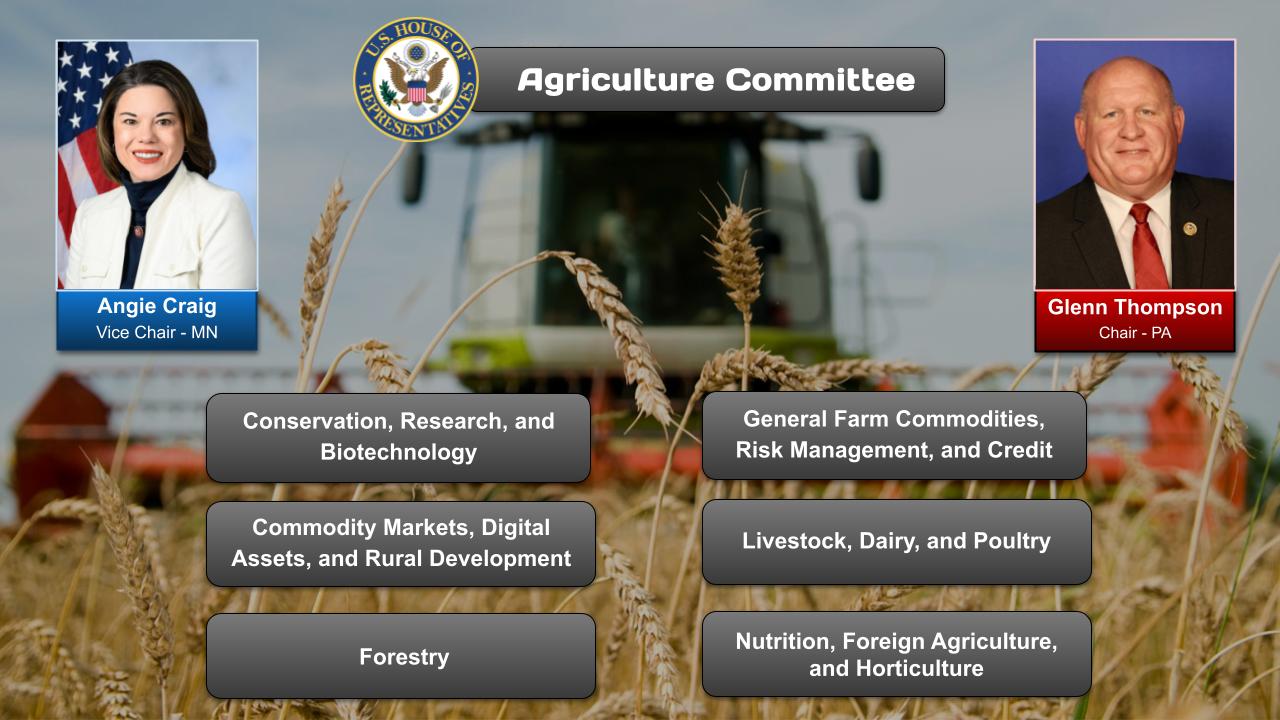
Agriculture Committee

Mission:  
The Committee on Agriculture has general jurisdiction over federal agriculture policy and oversight of some federal agencies, and it can recommend funding appropriations for various governmental agencies, programs, and activities, as defined by House rules.

Senate counterpart:  Committee on Agriculture 

Subcommittees:

  • Commodity Markets, Digital Assets and Rural Development
  • Conservation, Research and Biotechnology
  • Forestry
  • General Farm Commodities, Risk Management, and Credit
  • Livestock, Dairy and Poultry
  • Nutrition, Foreign Agriculture and Horticulture

Chair: Glenn Thompson, Pennsylvania (R)
Ranking Member: David Scott, Georgia (D)

Staff Director Majority: Parish Braden
Staff Director Minority: Anne Simmons
Meeting Location: 1301 Longworth House Office Building; Washington, DC 20515 (202-225-2171)

Featured Video:  21st Century Food Systems – Aug. 3, 2021
Web Links

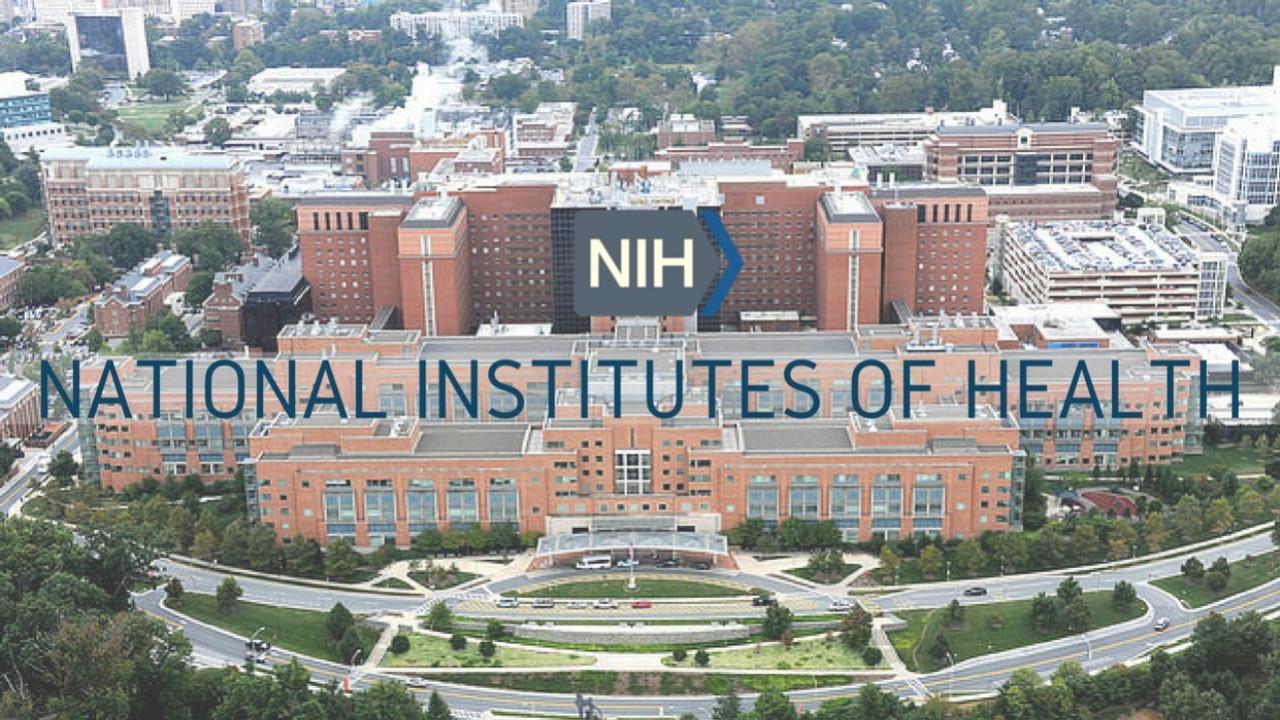
NIH: National Institutes of Health

The National Institutes of Health, commonly referred to as NIH, is the primary agency of the United States government responsible for biomedical and public health research. It was founded in the late 1880s and is now part of the United States Department of Health and Human Services. Many NIH facilities are located in Bethesda, Maryland, and other nearby suburbs of the Washington metropolitan area, with other primary facilities in the Research Triangle Park in North Carolina and smaller satellite facilities located around the United States. The NIH conducts its own scientific research through the NIH Intramural Research Program (IRP) and provides major biomedical research funding to non-NIH research facilities through its Extramural Research Program.

As of 2013, the IRP had 1,200 principal investigators and more than 4,000 postdoctoral fellows in basic, translational, and clinical research, being the largest biomedical research institution in the world, while, as of 2003, the extramural arm provided 28% of biomedical research funding spent annually in the U.S., or about US$26.4 billion.

The NIH comprises 27 separate institutes and centers of different biomedical disciplines and is responsible for many scientific accomplishments, including the discovery of fluoride to prevent tooth decay, the use of lithium to manage bipolar disorder, and the creation of vaccines against hepatitis, Haemophilus influenzae (HIB), and human papillomavirus (HPV).

Source: Wikipedia

OnAir Post: NIH: National Institutes of Health

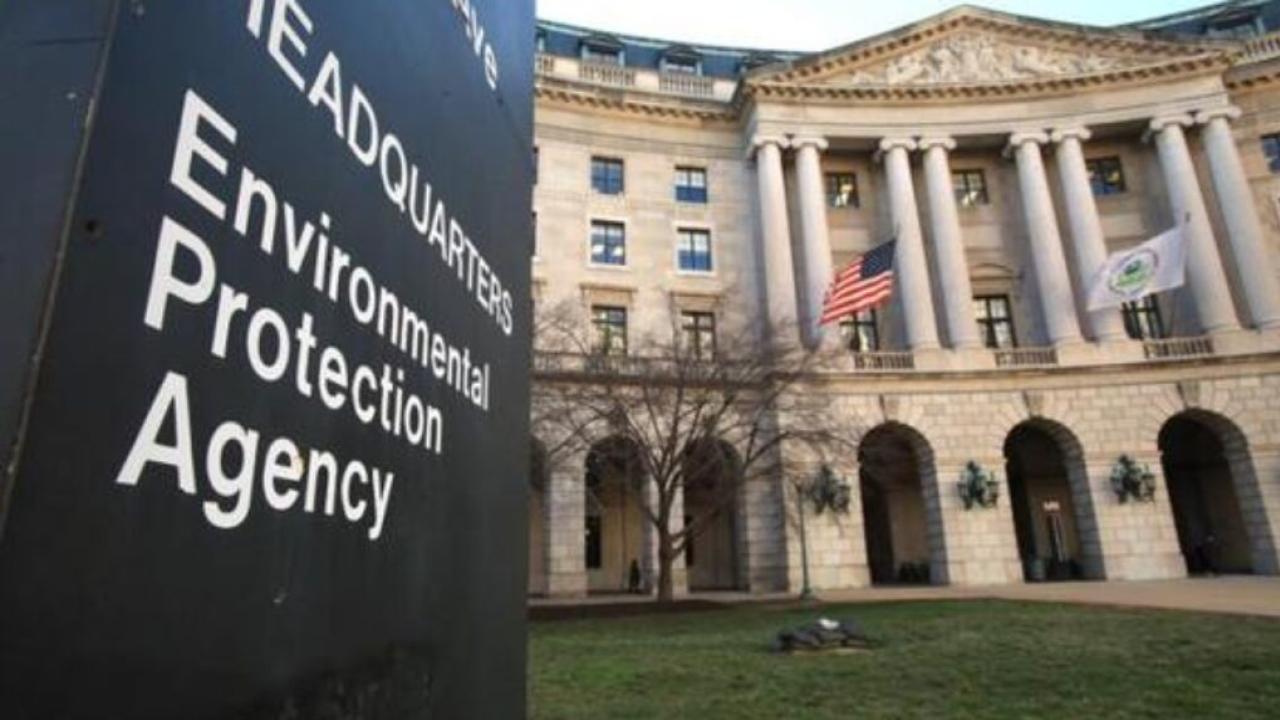
EPA: U.S. Environmental Protection Agency

The Environmental Protection Agency (EPA) is an independent agency of the United States government tasked with environmental protection matters. President Richard Nixon proposed the establishment of EPA on July 9, 1970; it began operation on December 2, 1970, after Nixon signed an executive order. The order establishing the EPA was ratified by committee hearings in the House and Senate.

The agency conducts environmental assessment, research, and education. It has the responsibility of maintaining and enforcing national standards under a variety of environmental laws, in consultation with state, tribal, and local governments. EPA enforcement powers include fines, sanctions, and other measures.

Source: Wikipedia

OnAir Post: EPA: U.S. Environmental Protection Agency

Skip to toolbar