Education

Education is a fundamental human right that empowers individuals to reach their full potential and contribute to society. It’s the process of acquiring knowledge, skills, and values that enable us to understand the world, make informed decisions, and lead fulfilling lives. The U.S. is governed by federal, state, and local education policy. Education is compulsory for all children, but the age at which one can discontinue schooling varies by state and is from 14 to 18 years old. Free public education is typically provided from Kindergarten (ages 5 and 6) to 12th Grade (ages 17 and 18)

  • There are many issues related to Education that Congress is looking to address with legislation. In the ‘About’ section of this post is an overview of the issues and potential solutions, party positions, and web links. Other sections have information on relevant committees, chairs, & caucuses; departments & agencies; and the judiciary, nonpartisan & partisan organizations, and a wikipedia entry.
  • The Education category has related posts and three posts on issues of particular focus: Apprenticeships, STEM Learning, and AI in Education.

To participate in ongoing forums, ask the post’s curators questions, and make suggestions, scroll to the ‘Discuss’ section at the bottom of each post or select the “comment” icon.

OnAir Post: Education

Apprenticeships

Apprenticeship programs in the United States are regulated by the Smith–Hughes Act (1917), The National Industrial Recovery Act (1933), and National Apprenticeship Act, also known as the “Fitzgerald Act.”

The number of American apprentices has increased from 375,000 in 2014 to 500,000 in 2016, while the federal government intends to see 750,000 by 2019, particularly by expanding the apprenticeship model to include white-collar occupations such as information technology.

  • In the ‘About’ section of this post is an overview of the issues or challenges, potential solutions, and web links. Other sections have information on relevant legislation, committees, agencies, programs in addition to information on the judiciary, nonpartisan & partisan organizations, and a wikipedia entry.
  • To participate in ongoing forums, ask the post’s curators questions, and make suggestions, scroll to the ‘Discuss’ section at the bottom of each post or select the “comment” icon.

The Apprenticeships category has related posts on government agencies and departments and  committees and their Chairs.

OnAir Post: Apprenticeships

STEM Learning

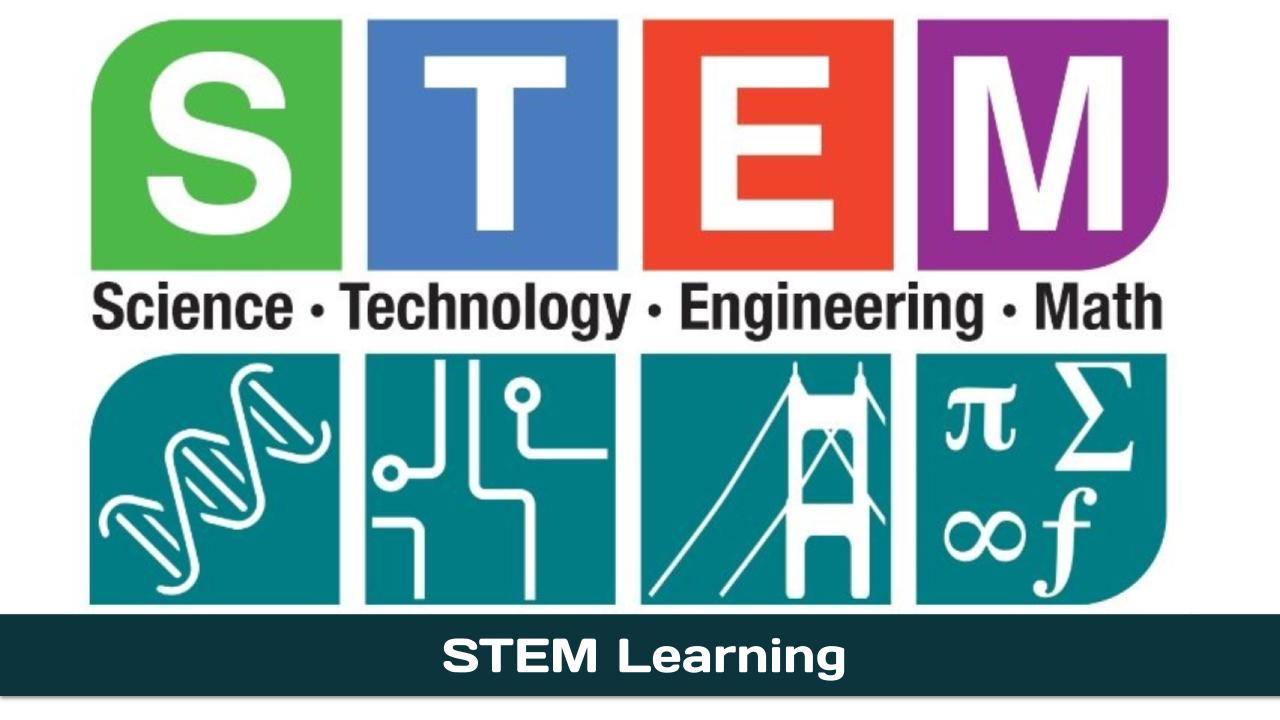
Science, technology, engineering, and mathematics (STEM) is an umbrella term used to group together the distinct but related technical disciplines of science, technology, engineering, and mathematics. The term is typically used in the context of education policy or curriculum choices in schools. It has implications for workforce development, national security concerns (as a shortage of STEM-educated citizens can reduce effectiveness in this area), and immigration policy, with regard to admitting foreign students and tech workers.

  • In the ‘About’ section of this post is an overview of the issues or challenges, potential solutions, and web links. Other sections have information on relevant legislation, committees, agencies, programs in addition to information on the judiciary, nonpartisan & partisan organizations, and a wikipedia entry.
  • To participate in ongoing forums, ask the post’s curators questions, and make suggestions, scroll to the ‘Discuss’ section at the bottom of each post or select the “comment” icon.

The STEM category has related posts on government agencies and departments and  committees and their Chairs.

OnAir Post: STEM Learning

AI in Education

AI has the potential to revolutionize education by personalizing learning, providing students with around-the-clock support, and making learning more engaging. By addressing the challenges and using AI responsibly, educators can harness this powerful technology to create a more effective and equitable learning environment for all students.

  • In the ‘About’ section of this post is an overview of the issues or challenges, potential solutions, and web links. Other sections have information on relevant legislation, committees, agencies, programs in addition to information on the judiciary, nonpartisan & partisan organizations, and a wikipedia entry.
  • To participate in ongoing forums, ask the post’s curators questions, and make suggestions, go to the ‘Discuss’ section at the bottom of the post.

The AI in Education category has related posts on government agencies and departments and  committees and their Chairs.

Check the Education post for the party positions, committees, government agencies related to AI in Education issues.

To participate in ongoing forums, ask the post’s curators questions, and make suggestions, scroll to the ‘Discuss’ section at the bottom of each post or select the “comment” icon.


OnAir Post: AI in Education

Education Department

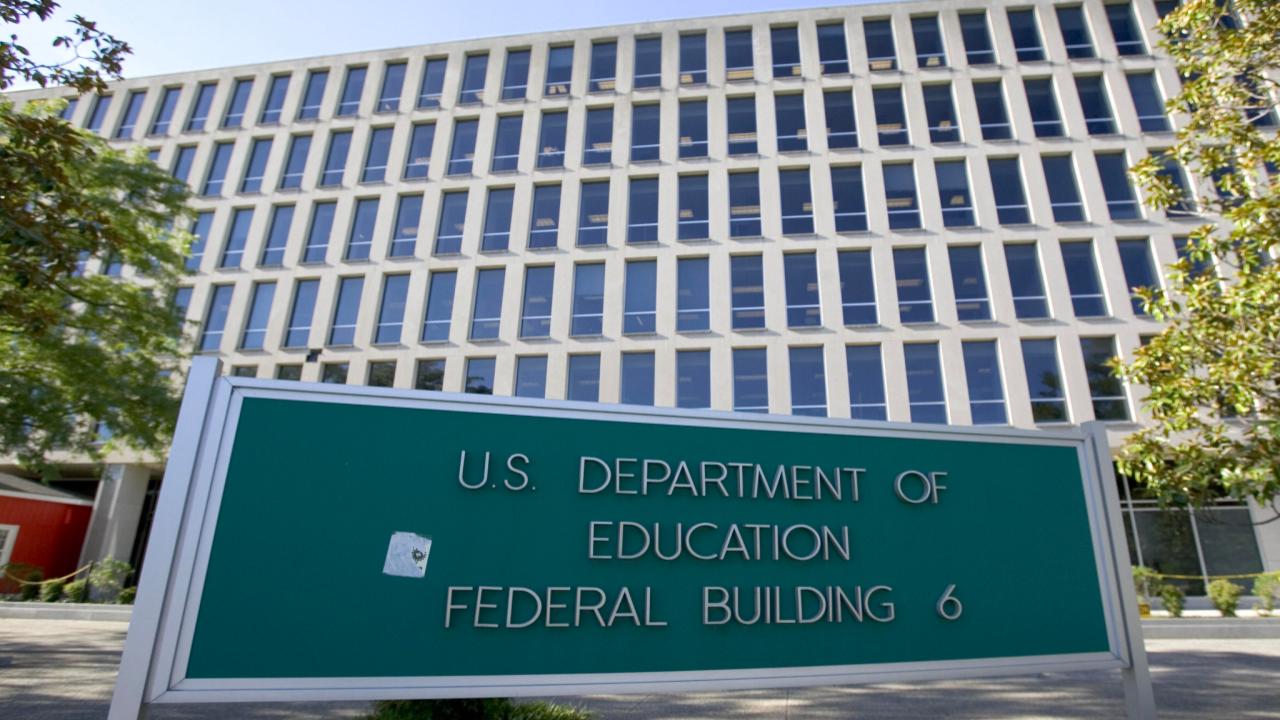
The United States Department of Education (sometimes shortened to the ED, or DoEd) is a Cabinet-level department of the United States government.

It began operating on May 4, 1980, having been created after the Department of Health, Education, and Welfare was split into the Department of Education and the Department of Health and Human Services by the Department of Education Organization Act, which President Jimmy Carter signed into law on October 17, 1979.

OnAir Post: Education Department

Health, Education, Labor, and Pensions Committee

Mission:  
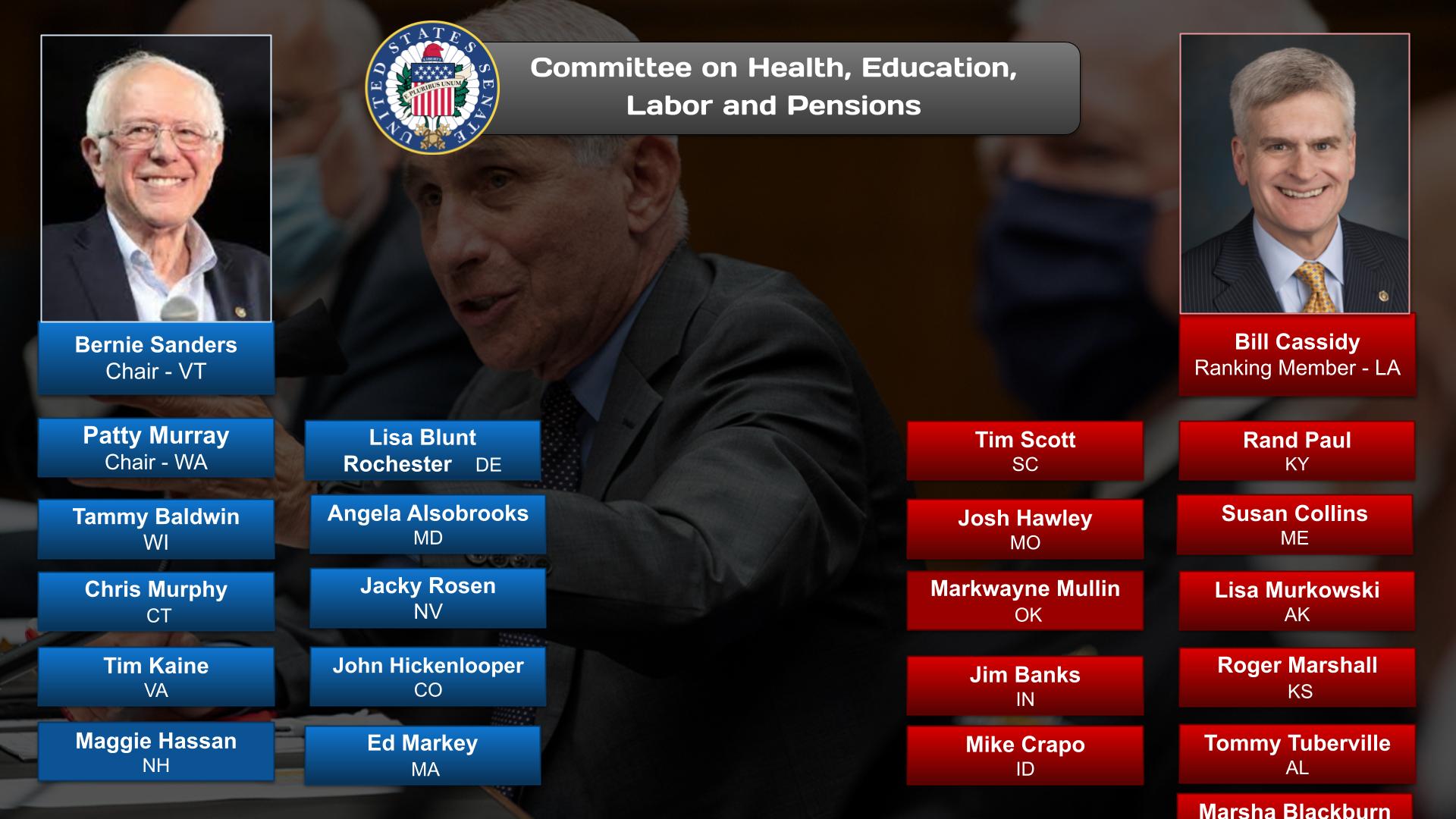
The United States Senate Committee on Health, Education, Labor and Pensions (HELP) generally considers matters relating to these issues. Its jurisdiction extends beyond these issues to include several more specific areas, as defined by Senate rules.

House counterpart: Committee on Education and Labor

Democratic Members (Minority):
Bernie Sanders, Vermont – Ranking Member
Patty Murray, Washington
Tammy Baldwin, Wisconsin
Chris Murphy, Connecticut
Tim Kaine, Virginia
Lisa Blunt Rochester, Delaware
Angela Alsobrooks, Maryland
Ed Markey, Massachusetts
Andy Kim, New Jersey

Republican Members (Majority):
Bill Cassidy, Louisiana,
Rand Paul, Kentucky
Susan Collins, Maine
Lisa Murkowski, Alaska
Roger Marshall, Kansas
Tommy Tuberville, Alabama
Josh Hawley, Missouri
Tim Scott, South Carolina
Jim Banks, Indiana
Mike Crapo, Idaho
Marsha Blackburn, Tennessee

Featured Video: 
Senate Health, Education, Labor, and Pensions Cmte Hearing on COVID-19

OnAir Post: Health, Education, Labor, and Pensions Committee

Education and the Workforce

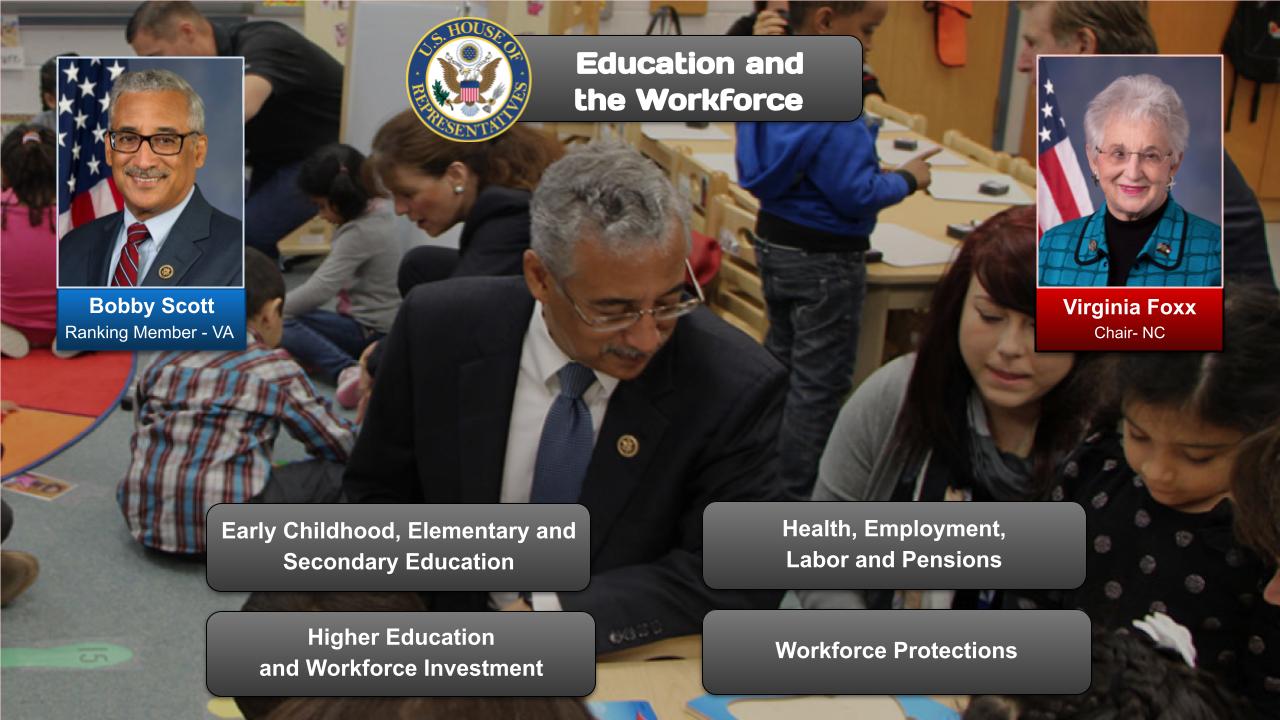
The Committee on Education and the Workforce is a standing committee of the United States House of Representatives. There are 50 members of this committee. Since 2023, the chair of the Education and the Workforce committee is Virginia Foxx of North Carolina.

Senate counterpart: Committee on Health, Education, Labor, and Pensions

Subcommittees:

  • Early Childhood, Elementary and Secondary Education
  • Health, Employment, Labor, and Pensions
  • Higher Education and Workforce Investment
  • Workforce Protections

Chair: Virginia Foxx, North Carolina (R)
Ranking Member: Bobby Scott, Virginia (D)

Majority Staff Director: Cyrus Artz
Minority Staff Director: Veronique Pluviose
Meeting Location: 2176 Rayburn House Office Building Washington, DC 20515; 202-225-4527

Featured Video:  Examining the Policies and Priorities of the U.S. Department of Education – 6/24/21
Web Links

OnAir Post: Education and the Workforce

Joint Committee on the Library

Mission:  
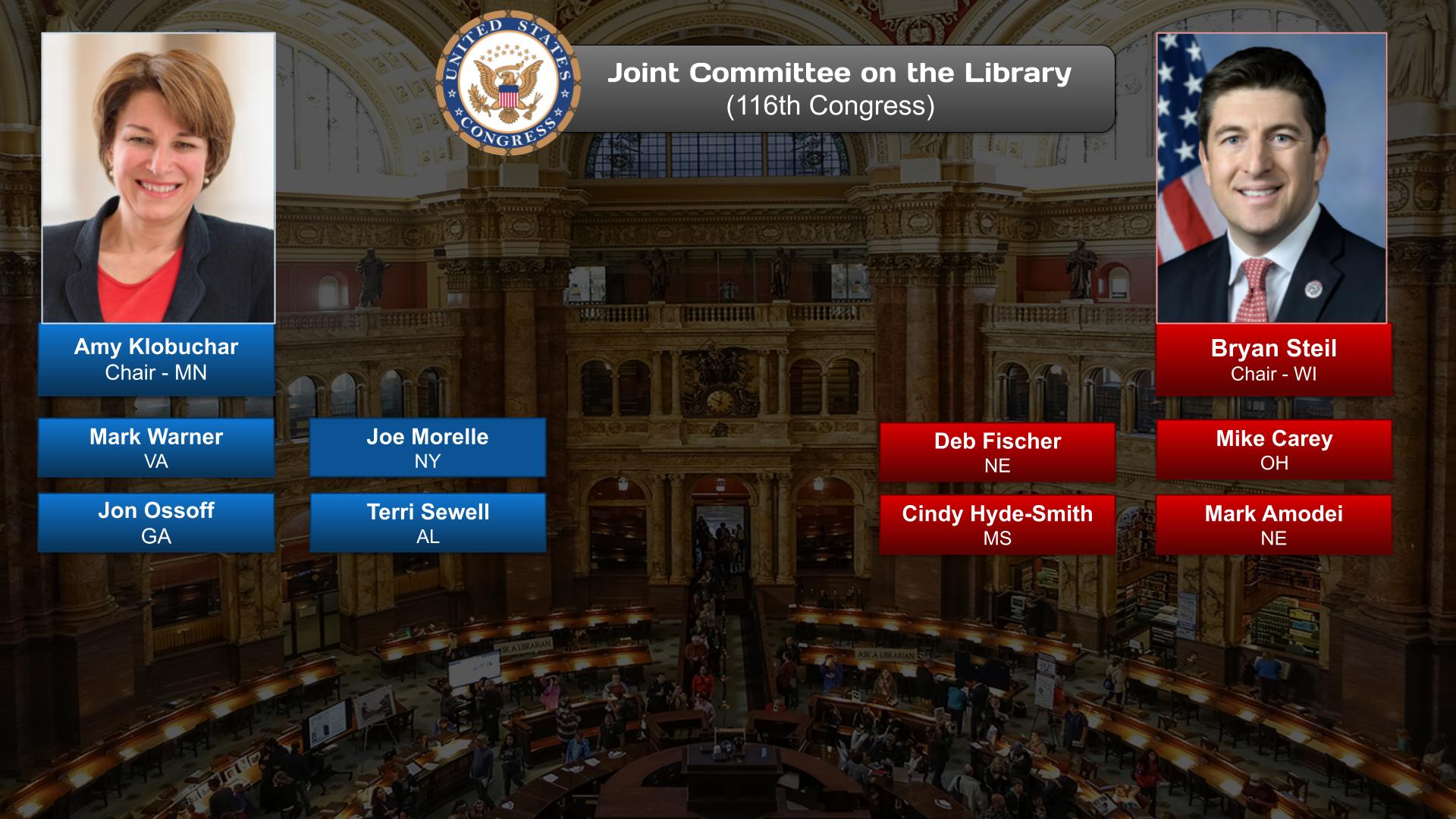
The Joint Committee on the Library is a Joint Committee of the United States Congress devoted to the affairs and administration of the Library of Congress, which is the library of the federal legislature. There are five members of each house on the committee. It has no subcommittees.

Democratic Senate Members (Minority):
Amy Klobuchar, Minnesota, Vice Chair
Mark Warner, Virginia
Jon Ossoff, Georgia

Democratic House Members (Minority):
Joe Morelle, New York
Terri Sewell, Alabama

Republican House Members (Majority):
Bryan Steil, Wisconsin, Chair
Mike Carey, Ohio
Mark Amodei, Nevada

Republican Senate Members ((Majority):
Deb Fischer, Nebraska
Bill Hagerty, Tennessee

Featured Video: 
Library Of Congress Digitizing Historic Archives

OnAir Post: Joint Committee on the Library

National Science Foundation (NSF)

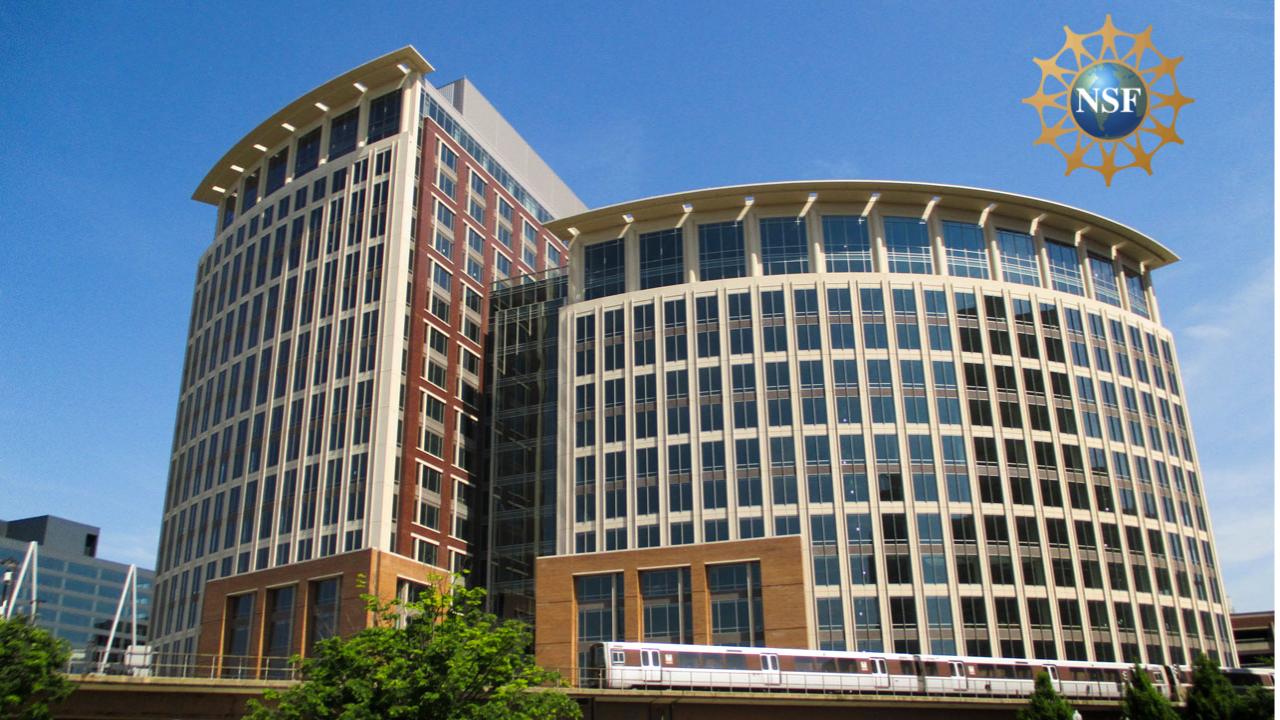
The National Science Foundation (NSF) is an independent agency of the United States federal government that supports fundamental research and education in all the non-medical fields of science and engineering. Its medical counterpart is the National Institutes of Health. With an annual budget of about $8.3 billion (fiscal year 2020), the

NSF funds approximately 25% of all federally supported basic research conducted by the United States’ colleges and universities. In some fields, such as mathematics, computer science, economics, and the social sciences, the NSF is the major source of federal backing.

Source: Wikipedia

OnAir Post: National Science Foundation (NSF)

Skip to toolbar