US Departments

The United States federal executive departments are the principal units of the executive branch of the federal government of the United States. They are analogous to ministries common in parliamentary or semi-presidential systems but (the United States being a presidential system) they are led by a head of government who is also the head of state.

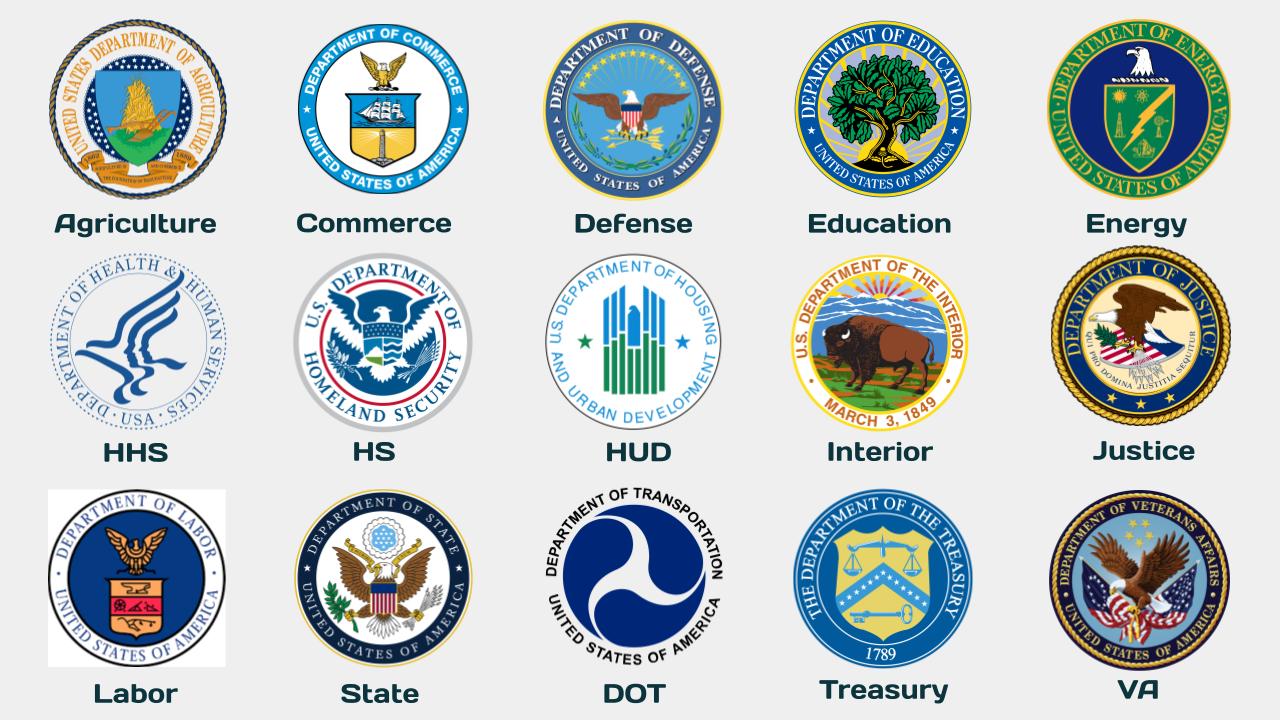
The executive departments are the administrative arms of the president of the United States. There are currently 15 executive departments.

To view feature image in large screen mode (especially to see what the initials stand for), select the post then click on image to enlarge.

OnAir Post: US Departments
Agriculture Department (USDA)

The United States Department of Agriculture (USDA), also known as the Agriculture Department, is the federal executive department responsible for developing and executing federal laws related to farming, forestry, rural economic development, and food.

It aims to meet the needs of commercial farming and livestock food production, promotes agricultural trade and production, works to assure food safety, protects natural resources, fosters rural communities and works to end hunger in the United States and internationally.

OnAir Post: Agriculture Department (USDA)

Commerce Department (DOC)

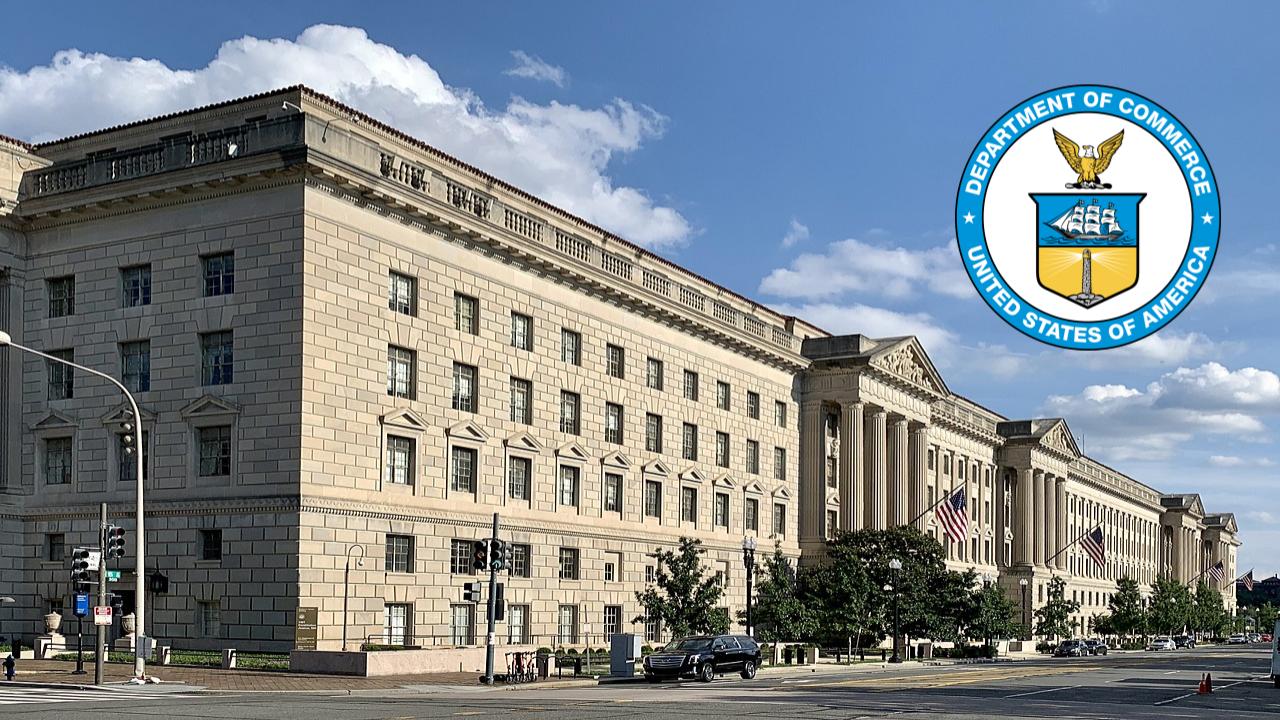
The United States Department of Commerce is an executive department of the U.S. federal government concerned with promoting economic growth.[clarification needed] Among its tasks are gathering economic and demographic data for business and government decision making, and helping to set industrial standards.

This organization’s main purpose is to create jobs, promote economic growth, encourage sustainable development and block harmful trade practices of other nations. The Department of Commerce is headquartered in the Herbert C. Hoover Building in Washington, DC.

OnAir Post: Commerce Department (DOC)

Defense Department (DOD)

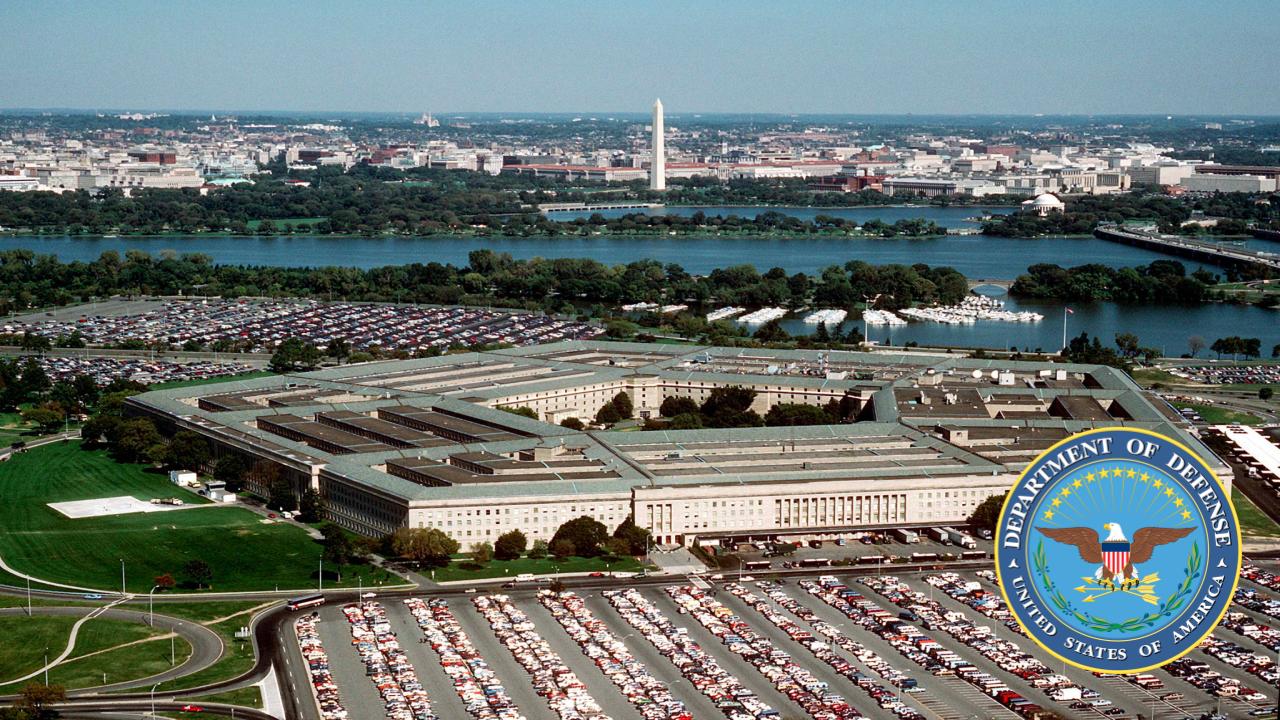
The United States Department of Defense (DoD, USDOD or DOD) is an executive branch department of the federal government charged with coordinating and supervising all agencies and functions of the government directly related to national security and the United States Armed Forces.

The DOD is the largest employer in the world, with over 1.4 million active-duty service members (soldiers, Marines, sailors, airmen, and Guardians) as of 2021. More employees include over 826,000 National Guard and reservists from the armed forces, and over 732,000 civilians bringing the total to over 2.8 million employees. Headquartered at the Pentagon in Arlington, Virginia, just outside Washington, D.C., the DoD’s stated mission is to provide “the military forces needed to deter war and ensure our nation’s security”.

OnAir Post: Defense Department (DOD)

Education Department

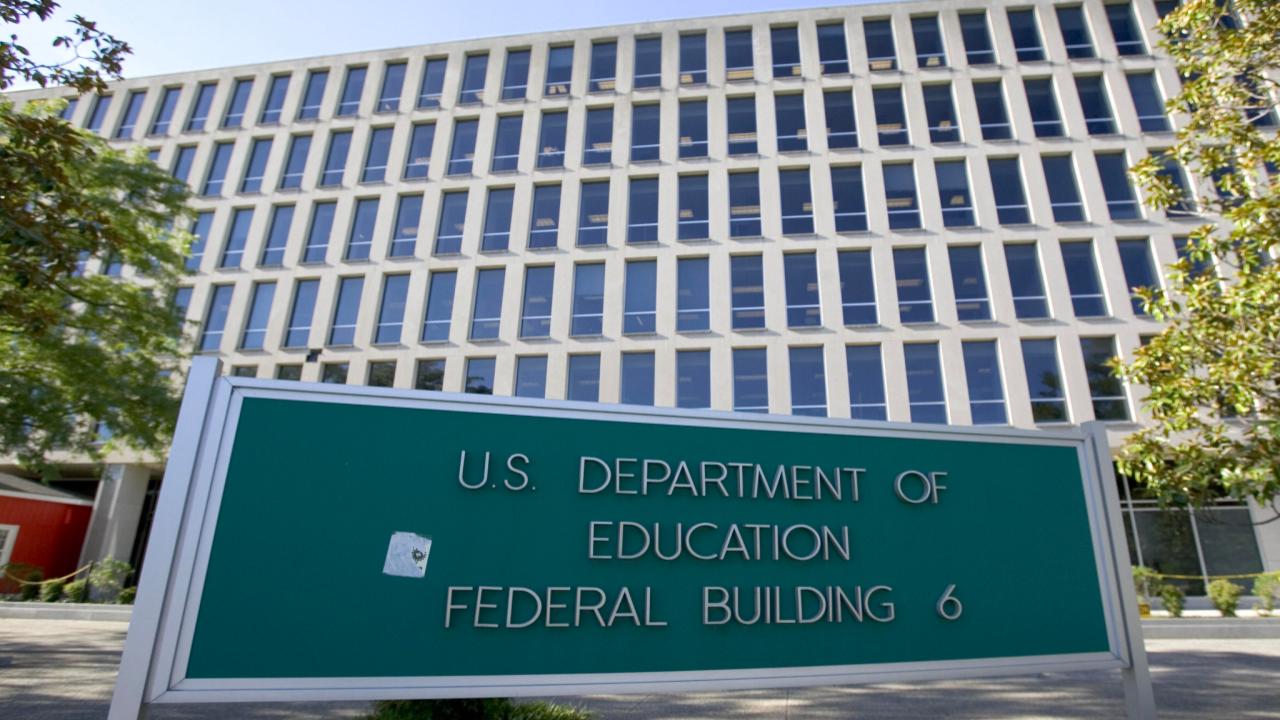
The United States Department of Education (sometimes shortened to the ED, or DoEd) is a Cabinet-level department of the United States government.

It began operating on May 4, 1980, having been created after the Department of Health, Education, and Welfare was split into the Department of Education and the Department of Health and Human Services by the Department of Education Organization Act, which President Jimmy Carter signed into law on October 17, 1979.

OnAir Post: Education Department

Energy Department (DOE)

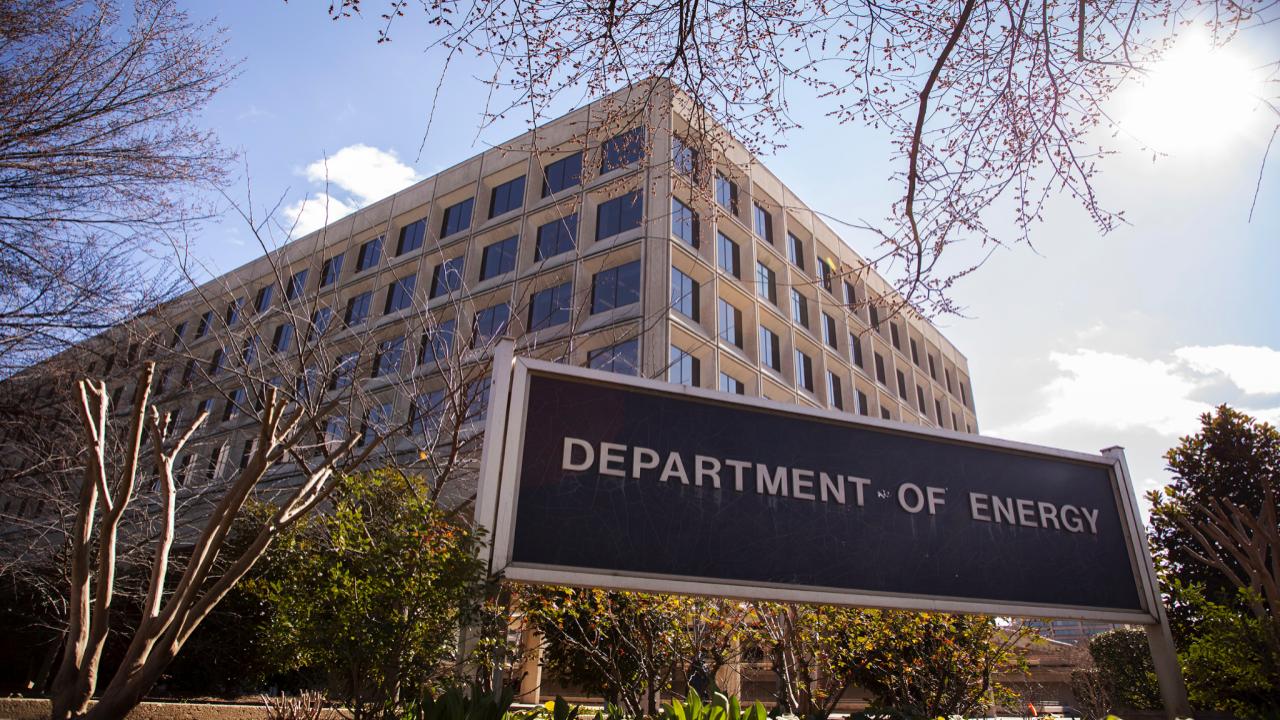
The United States Department of Energy (DOE) is a cabinet-level department of the United States government concerned with the United States’ policies regarding energy and safety in handling nuclear material. Its responsibilities include the nation’s nuclear weapons program, nuclear reactor production for the United States Navy, energy conservation, energy-related research, radioactive waste disposal, and domestic energy production. It also directs research in genomics; the Human Genome Project originated in a DOE initiative. DOE sponsors more research in the physical sciences than any other U.S. federal agency, the majority of which is conducted through its system of National Laboratories.

The agency is led by the United States Secretary of Energy, and its headquarters are located in Southwest Washington, D.C., on Independence Avenue in the James V. Forrestal Building, named for James Forrestal, as well as in Germantown, Maryland.

OnAir Post: Energy Department (DOE)

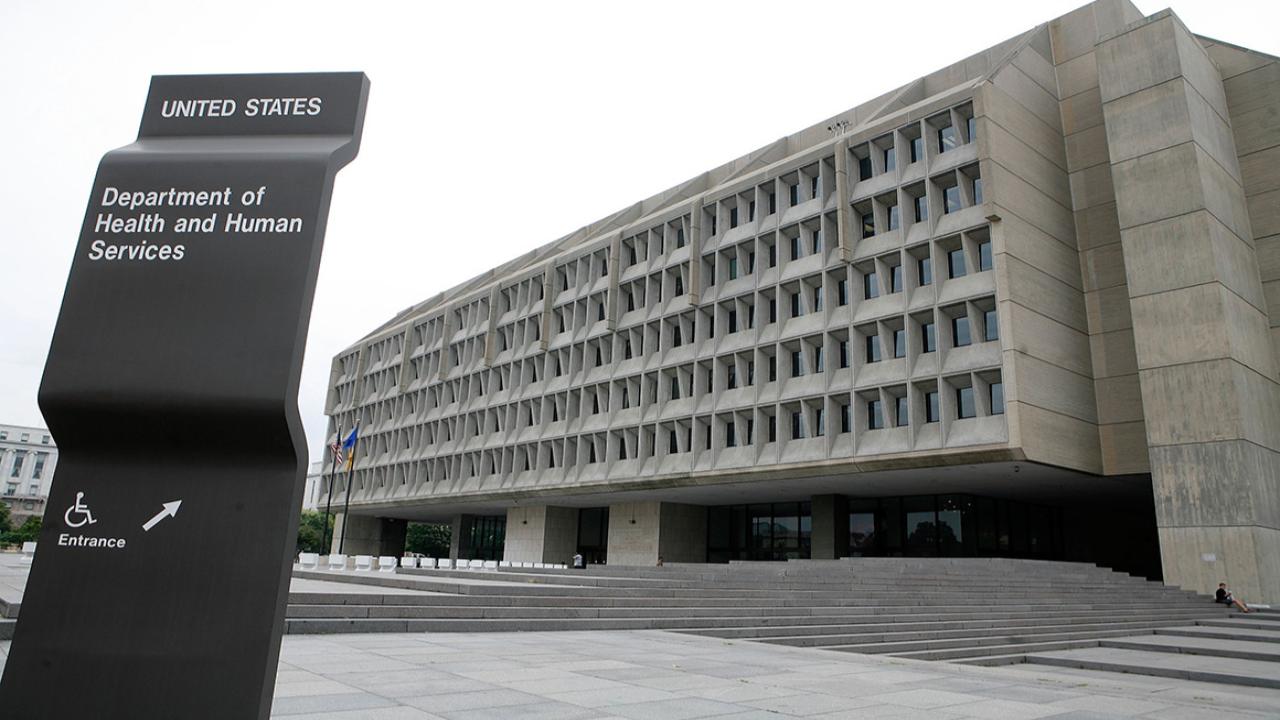
Health and Human Services Department (HHS)

The United States Department of Health and Human Services (HHS), is a cabinet-level executive branch department of the U.S. federal government created to protect the health of all Americans and providing essential human services. Its motto is “Improving the health, safety, and well-being of America”.

Before the separate federal Department of Education was created in 1979, it was called the Department of Health, Education, and Welfare (HEW).

OnAir Post: Health and Human Services Department (HHS)

Homeland Security Department (DHS)

The United States Department of Homeland Security (DHS) is the U.S. federal executive department responsible for public security, roughly comparable to the interior or home ministries of other countries.

Its stated missions involve anti-terrorism, border security, immigration and customs, cyber security, and disaster prevention and management.

OnAir Post: Homeland Security Department (DHS)

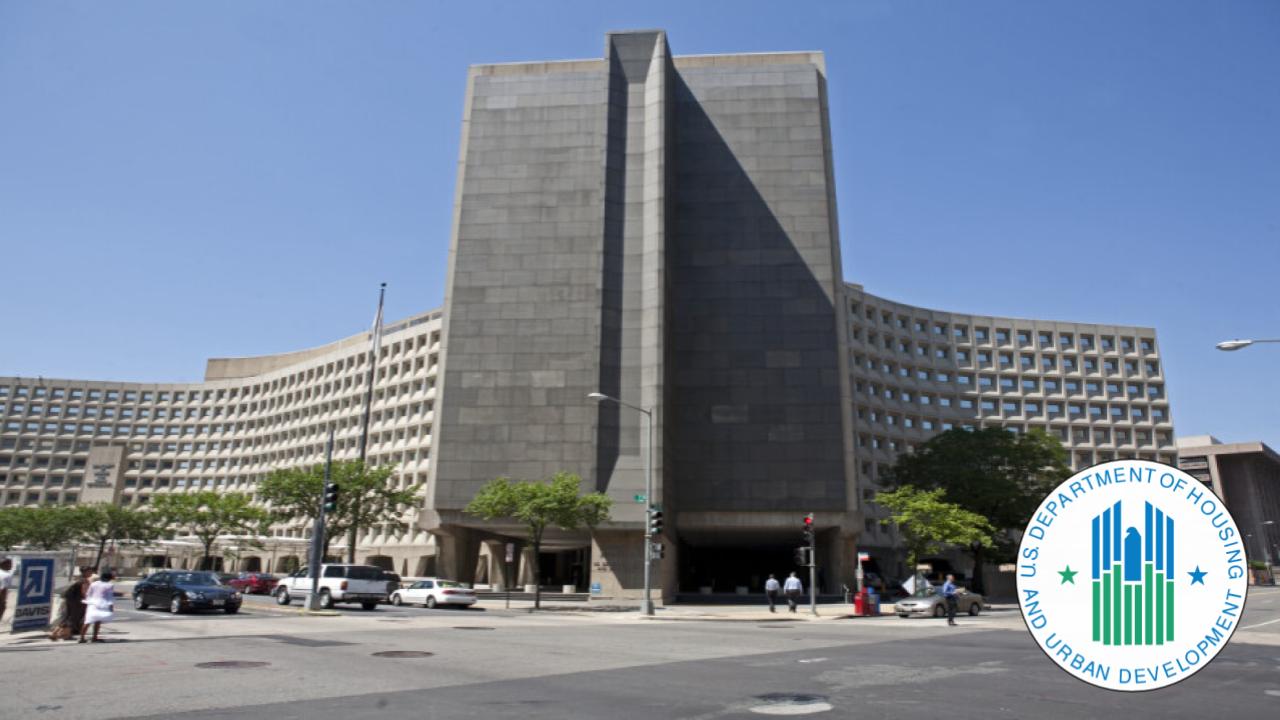
Housing and Urban Development Department (HUD)

The United States Department of Housing and Urban Development (HUD) is a Cabinet department in the executive branch of the U.S. federal government.

Although its beginnings were in the House and Home Financing Agency, it was founded as a Cabinet department in 1965, as part of the “Great Society” program of President Lyndon B. Johnson, to develop and execute policies on housing and metropolises.

OnAir Post: Housing and Urban Development Department (HUD)

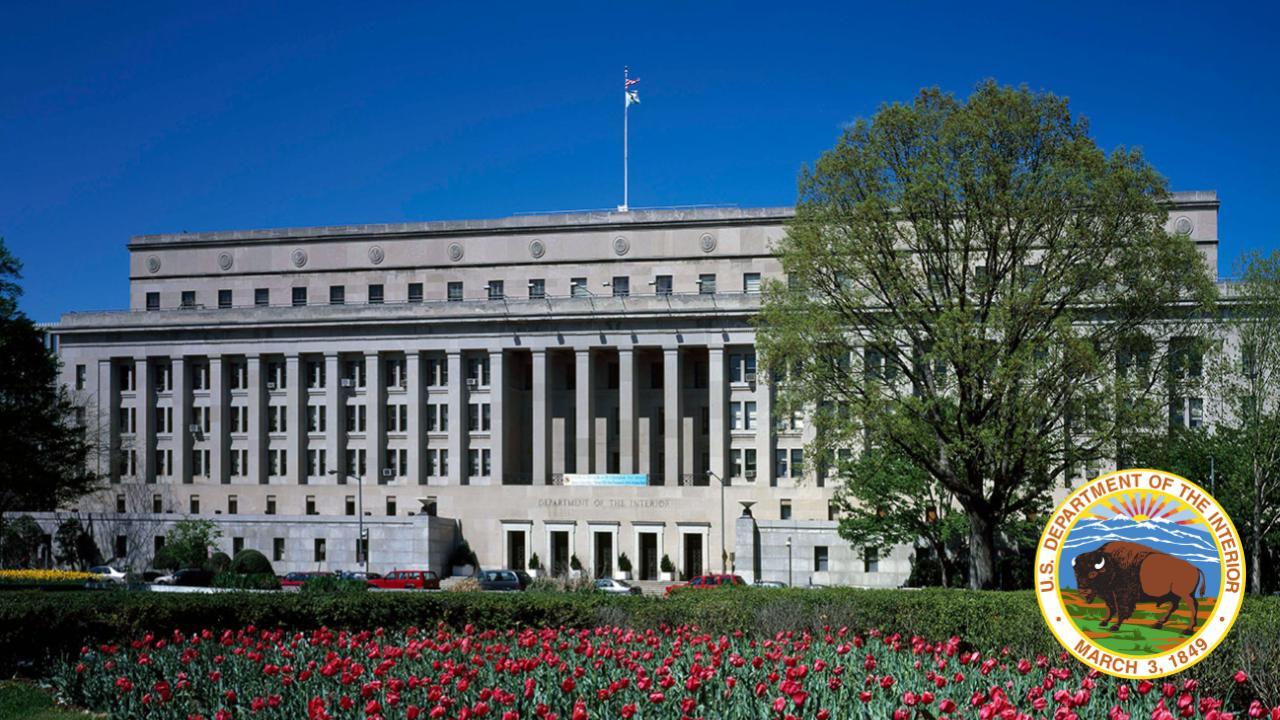
Interior Department (DOI)

The United States Department of the Interior (DOI) is a federal executive department of the U.S. government. It is responsible for the management and conservation of most federal lands and natural resources, and the administration of programs relating to Native Americans, Alaska Natives, Native Hawaiians, territorial affairs, and insular areas of the United States, as well as programs related to historic preservation.

About 75% of federal public land is managed by the department, with most of the remainder managed by the United States Department of Agriculture’s United States Forest Service. The department was created on March 3, 1849.

OnAir Post: Interior Department (DOI)

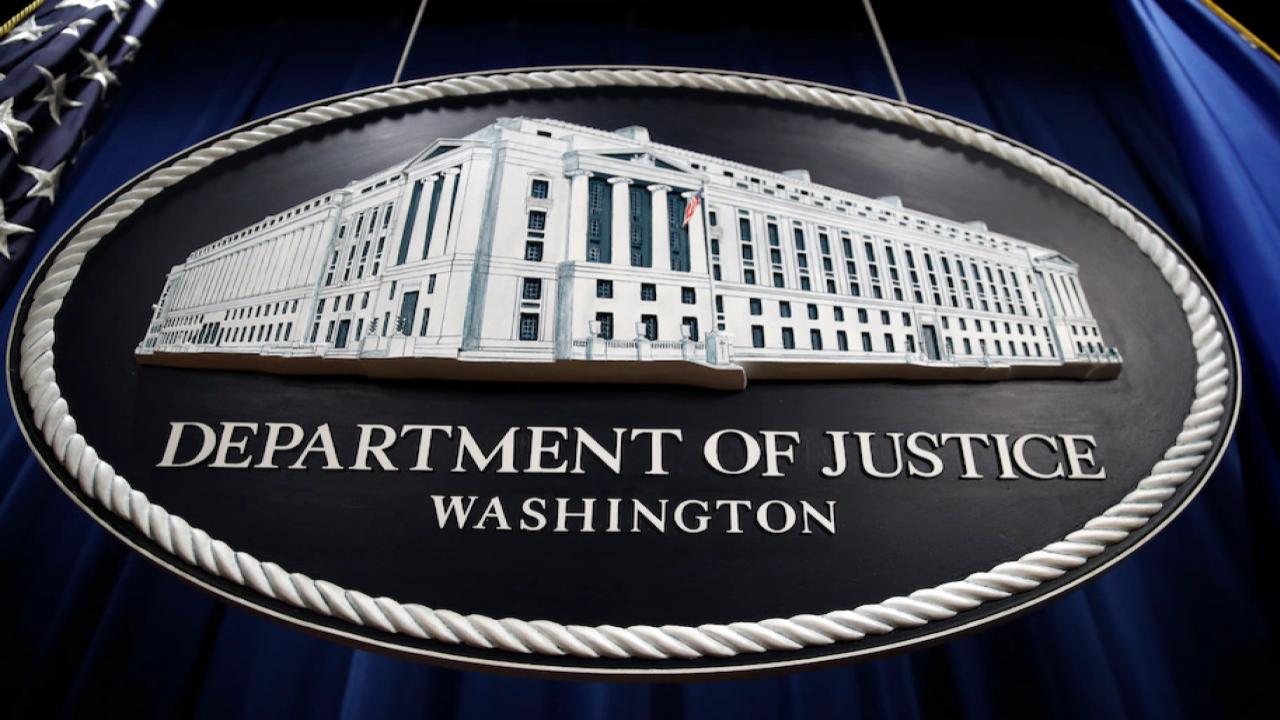
Justice Department (DOJ)

The United States Department of Justice (DOJ), also known as the Justice Department, is a federal executive department of the United States government tasked with the enforcement of federal law and administration of justice in the United States. It is equivalent to the justice or interior ministries of other countries.

The department is headed by the U.S. Attorney General, who is nominated by the president and confirmed by the US Senate and is a member of the Cabinet. The current attorney general is Merrick Garland, who was sworn in March 11, 2021.

OnAir Post: Justice Department (DOJ)

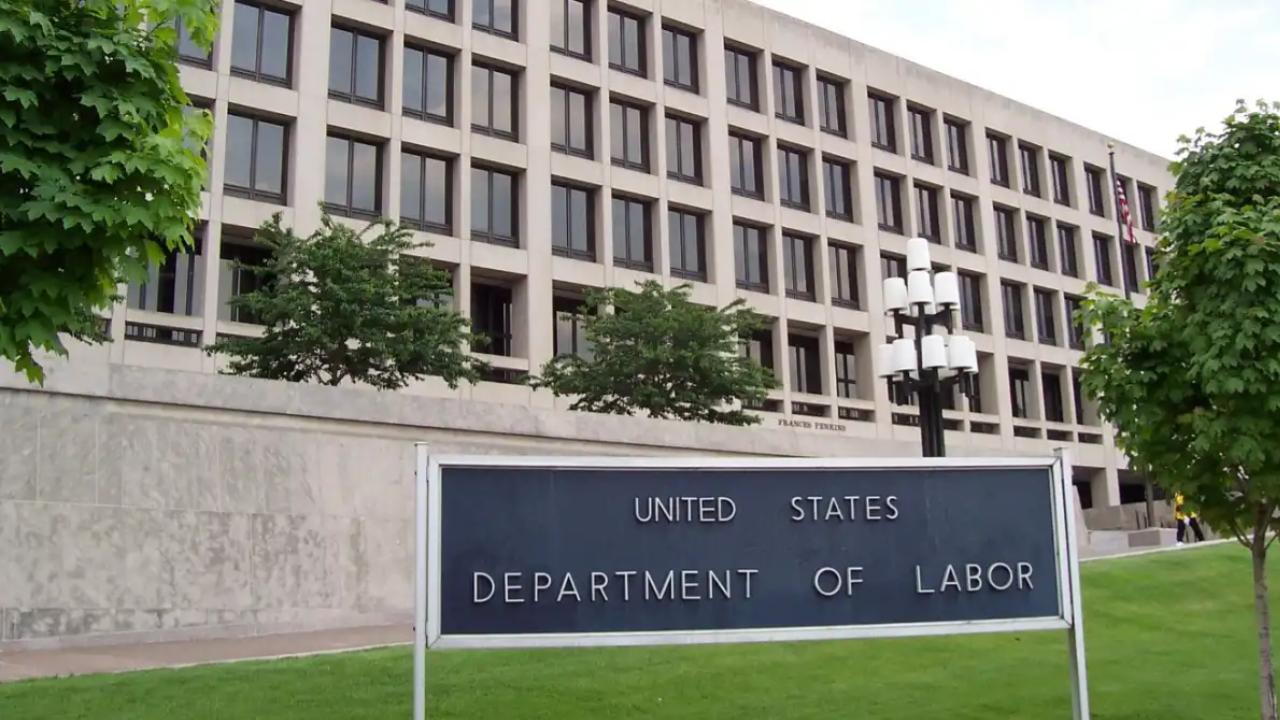
Labor Department (DOL)

The United States Department of Labor (DOL) is a cabinet-level department of the U.S. federal government, responsible for occupational safety and health, wage and hour standards, unemployment benefits, reemployment services, and occasionally, economic statistics. Many U.S. states also have such departments. The Department of Labor is headed by the U.S. Secretary of Labor.

The purpose of the Department of Labor is to foster, promote, and develop the well being of the wage earners, job seekers, and retirees of the United States; improve working conditions; advance opportunities for profitable employment; and assure work-related benefits and rights.

OnAir Post: Labor Department (DOL)

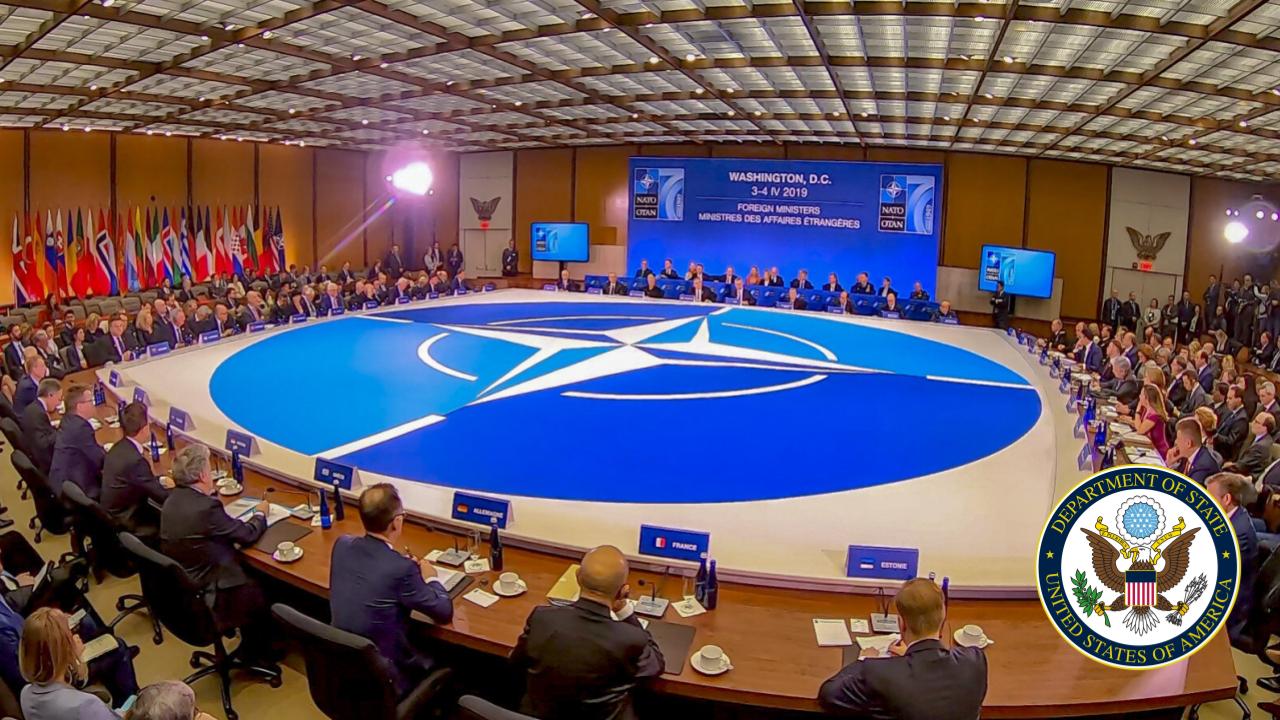
State Department (DOS)

The United States Department of State (DOS), or State Department, is an executive department of the U.S. federal government responsible for the nation’s foreign policy and international relations. Equivalent to the ministry of foreign affairs of other nations, its primary duties are advising the U.S. president, administering diplomatic missions, negotiating international treaties and agreements, and representing the U.S. at the United Nations.

The department is headquartered in the Harry S Truman Building, a few blocks from the White House, in the Foggy Bottom neighborhood of Washington, D.C.; “Foggy Bottom” is thus sometimes used as a metonym.

OnAir Post: State Department (DOS)

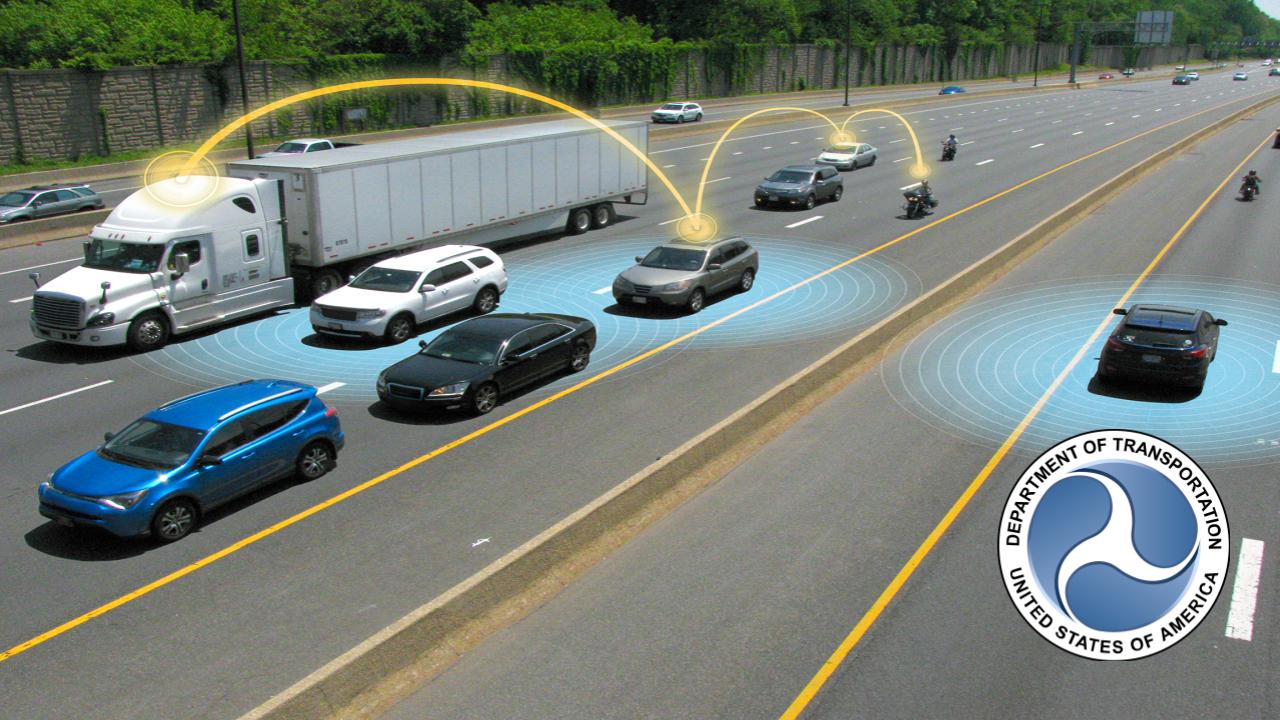
Transportation Department (DOT)

The United States Department of Transportation (USDOT or DOT) is a federal Cabinet department of the U.S. government concerned with transportation. It was established by the Department of Transportation Act of Congress on October 15, 1966, and began operation on April 1, 1967. The secretary of transportation is the head of DOT.

The department’s mission is “to develop and coordinate policies that will provide an efficient and economical national transportation system, with due regard for need, the environment, and the national defense.”

OnAir Post: Transportation Department (DOT)

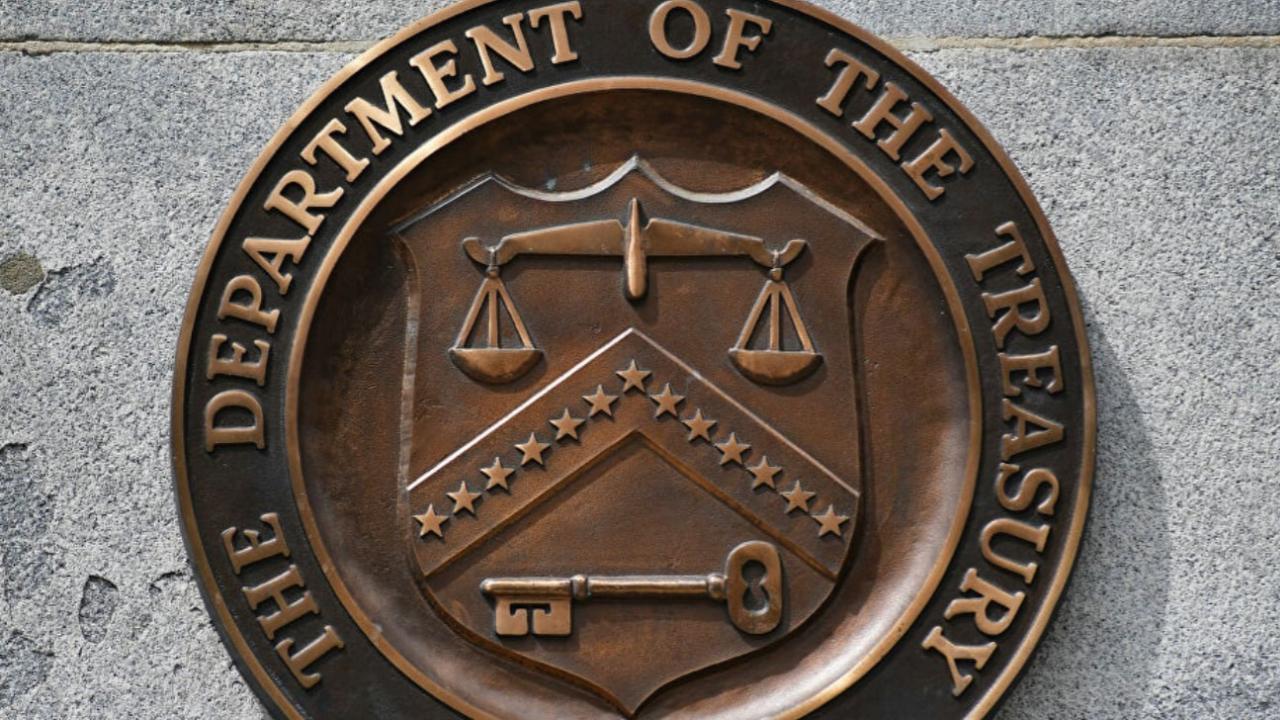
Treasury Department (USDT)

The Department of the Treasury (USDT) is the national treasury of the federal government of the United States where it serves as an executive department. The department oversees the Bureau of Engraving and Printing, and the U.S. Mint; these two agencies are responsible for printing all paper currency and coins, while the treasury executes its circulation in the domestic fiscal system.

The USDT collects all federal taxes through the Internal Revenue Service; manages U.S. government debt instruments; licenses and supervises banks and thrift institutions; and advises the legislative and executive branches on matters of fiscal policy. The department is administered by the secretary of the treasury, who is a member of the Cabinet.

OnAir Post: Treasury Department (USDT)

Veterans Affairs Department

The United States Department of Veterans Affairs (VA) is a Cabinet-level executive branch department of the federal government charged with providing life-long healthcare services to eligible military veterans at the 170 VA medical centers and outpatient clinics located throughout the country.

Non-healthcare benefits include disability compensation, vocational rehabilitation, education assistance, home loans, and life insurance. The VA also provides burial and memorial benefits to eligible veterans and family members at 135 national cemeteries.

OnAir Post: Veterans Affairs Department

Skip to toolbar