Key US Agencies

Legislative definitions of an agency of the federal government of the United States are varied, and even contradictory. The official United States Government Manual offers no definition. While the Administrative Procedure Act definition of “agency” applies to most executive branch agencies, Congress may define an agency however it chooses in enabling legislation, and through subsequent litigation often involving the Freedom of Information Act and the Government in the Sunshine Act. These further cloud attempts to enumerate a list of agencies.

The majority of the independent agencies of the United States government are also classified as executive agencies (they are independent in that they are not subordinated under a Cabinet position). There are a small number of independent agencies that are not considered part of the executive branch, such as the Congressional Research Service and the United States Sentencing Commission, which are legislative and judicial agencies, respectively.

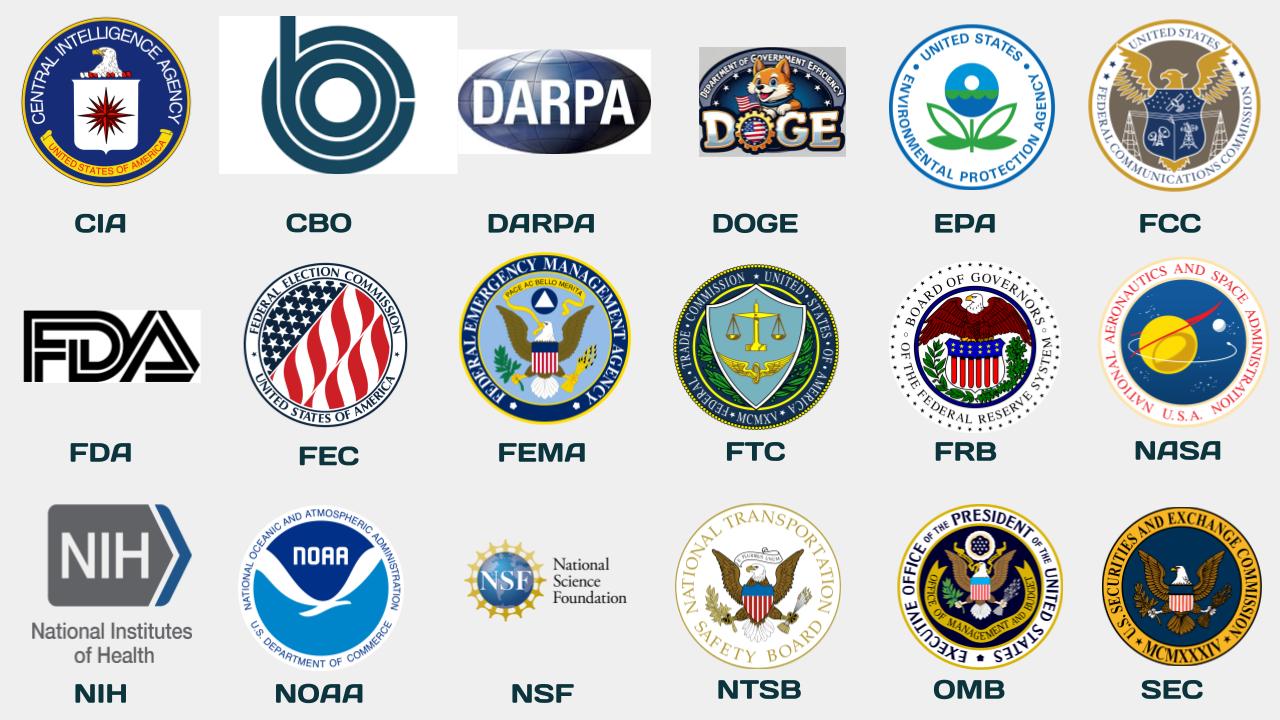
To view feature image in large screen mode (especially to see what the initials stand for), select the post then click on image to enlarge.

Source: Wikipedia

OnAir Post: Key US Agencies
CIA: Central Intelligence Agency

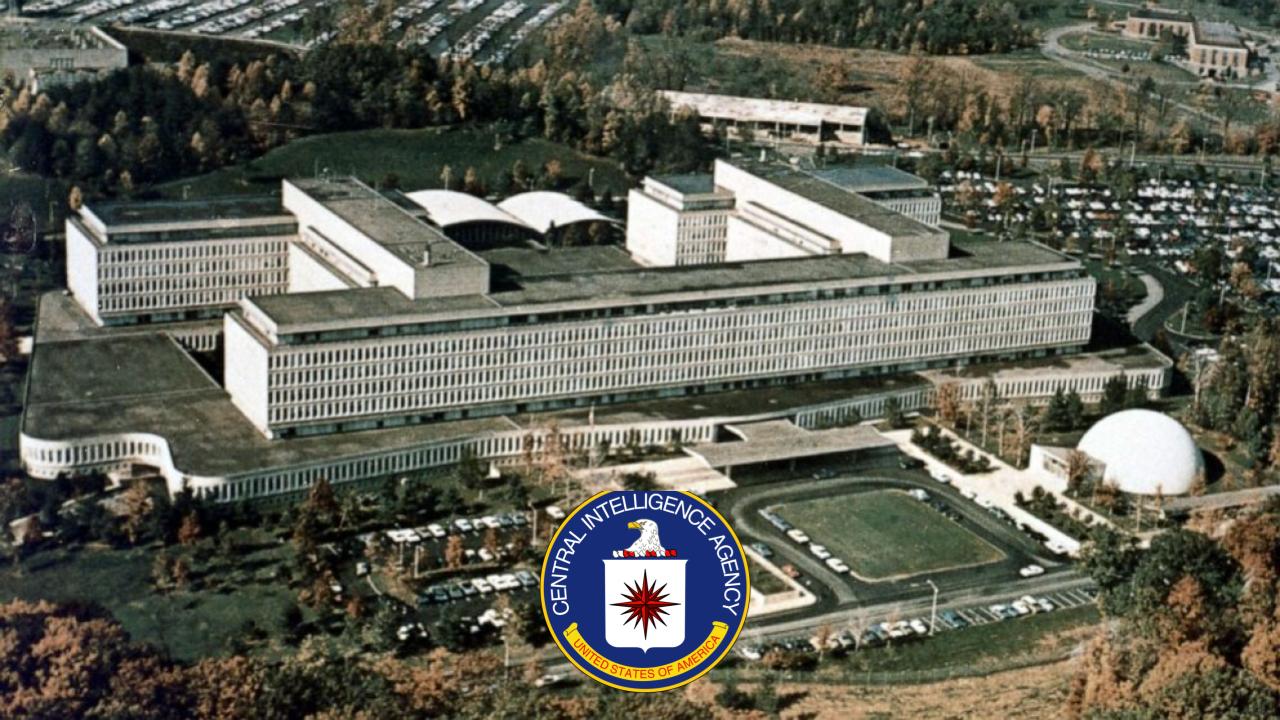
The Central Intelligence Agency (CIA ), known informally as the Agency and historically as the Company, is a civilian foreign intelligence service of the federal government of the United States, officially tasked with gathering, processing, and analyzing national security information from around the world, primarily through the use of human intelligence (HUMINT) and conducting covert action through its Directorate of Operations.

As a principal member of the United States Intelligence Community (IC), the CIA reports to the Director of National Intelligence and is primarily focused on providing intelligence for the President and Cabinet of the United States. Following the dissolution of the Office of Strategic Services (OSS) at the end of World War II, President Harry S. Truman created the Central Intelligence Group under the direction of a Director of Central Intelligence by presidential directive on January 22, 1946, and this group was transformed into the Central Intelligence Agency by implementation of the National Security Act of 1947.

Source: Wikipedia

OnAir Post: CIA: Central Intelligence Agency

Congressional Budget Office (CBO)

The Congressional Budget Office (CBO) is a nonpartisan agency within the legislative branch of the U.S. government. In simpler terms, it’s Congress’s own independent source of information on budgets and economic matters.

Here’s a breakdown of what the CBO does:

  • Provides objective analysis of the federal budget and economic forecasts
  • Estimates the costs of proposed legislation
  • Offers insights on potential budgetary and economic impacts of policy decisions

OnAir Post: Congressional Budget Office (CBO)

Defense Advanced Research Projects Agency (DARPA)

The Defense Advanced Research Projects Agency (DARPA) is an agency of the U.S. Department of Defense responsible for developing emerging technologies for military use.

  • Founded in 1958 in response to the launch of Sputnik 1 by the Soviet Union [Wikipedia].
  • Focuses on high-risk, high-reward research that could lead to revolutionary military capabilities [Wikipedia].
  • Some of DARPA’s successful projects include the internet, GPS, and stealth aircraft [Britannica].
  • DARPA is currently working on artificial intelligence, autonomous systems, and other cutting-edge technologies [DARPA (.mil)].
Subsidiaries: Microsystems Technology Office, 
Founder: Dwight D. Eisenhower
Headquarters: Arlington County, VA
Founded: February 7, 1958
Agency executive: Stefanie Tompkins, Director
Annual budget: $3.868 billion (FY2022)
Employees: 220

OnAir Post: Defense Advanced Research Projects Agency (DARPA)

DOGE: Department of Government Efficiency

Department of Government Efficiency (DOGE) is a proposed presidential advisory commission in the United States. The title is the popularly used moniker of the concept and does not currently represent the official name of the commission. It is tasked with restructuring the federal government of the United States and removing regulations in order to reduce expenditures and increase government efficiency. Despite the name, DOGE is not planned to be a federal executive department, the creation of which would require the approval of the U.S. Congress.

The committee was announced by Donald Trump, the president-elect, in preparation for his second term as U.S. president. It will be led by the businessmen Elon Musk and Vivek Ramaswamy.

Source: Wikipedia

OnAir Post: DOGE: Department of Government Efficiency

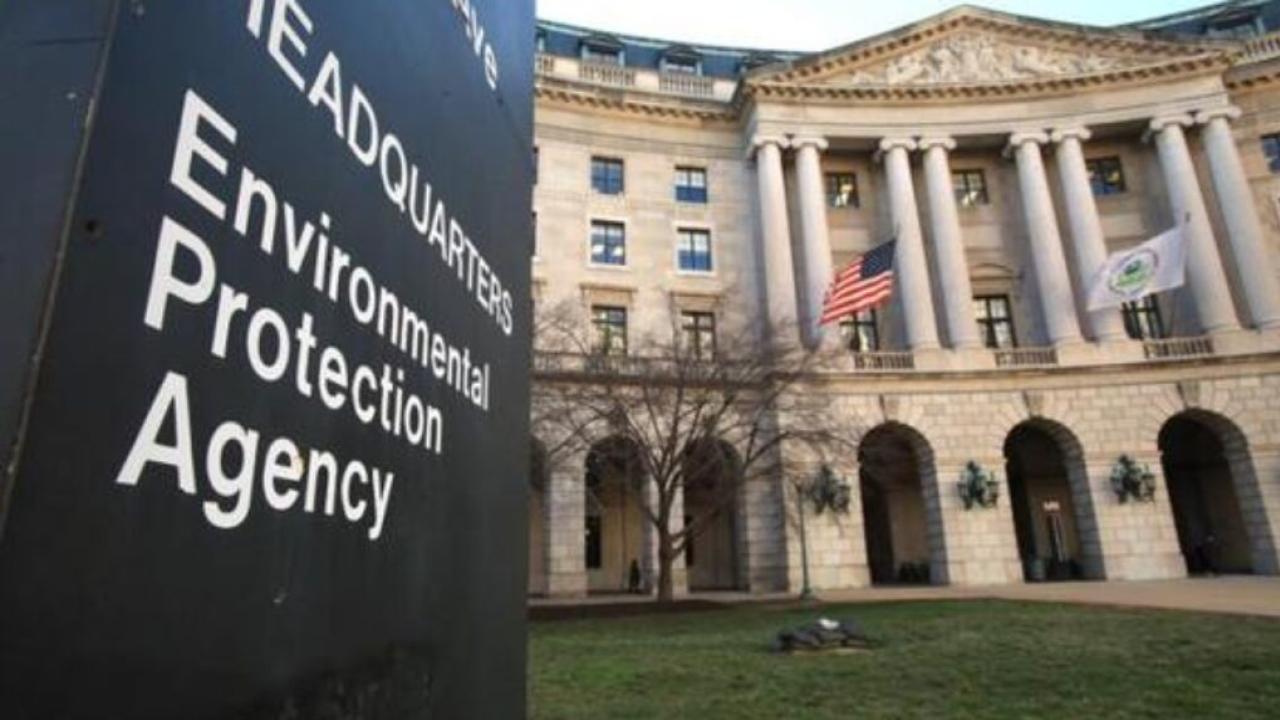
EPA: U.S. Environmental Protection Agency

The Environmental Protection Agency (EPA) is an independent agency of the United States government tasked with environmental protection matters. President Richard Nixon proposed the establishment of EPA on July 9, 1970; it began operation on December 2, 1970, after Nixon signed an executive order. The order establishing the EPA was ratified by committee hearings in the House and Senate.

The agency conducts environmental assessment, research, and education. It has the responsibility of maintaining and enforcing national standards under a variety of environmental laws, in consultation with state, tribal, and local governments. EPA enforcement powers include fines, sanctions, and other measures.

Source: Wikipedia

OnAir Post: EPA: U.S. Environmental Protection Agency

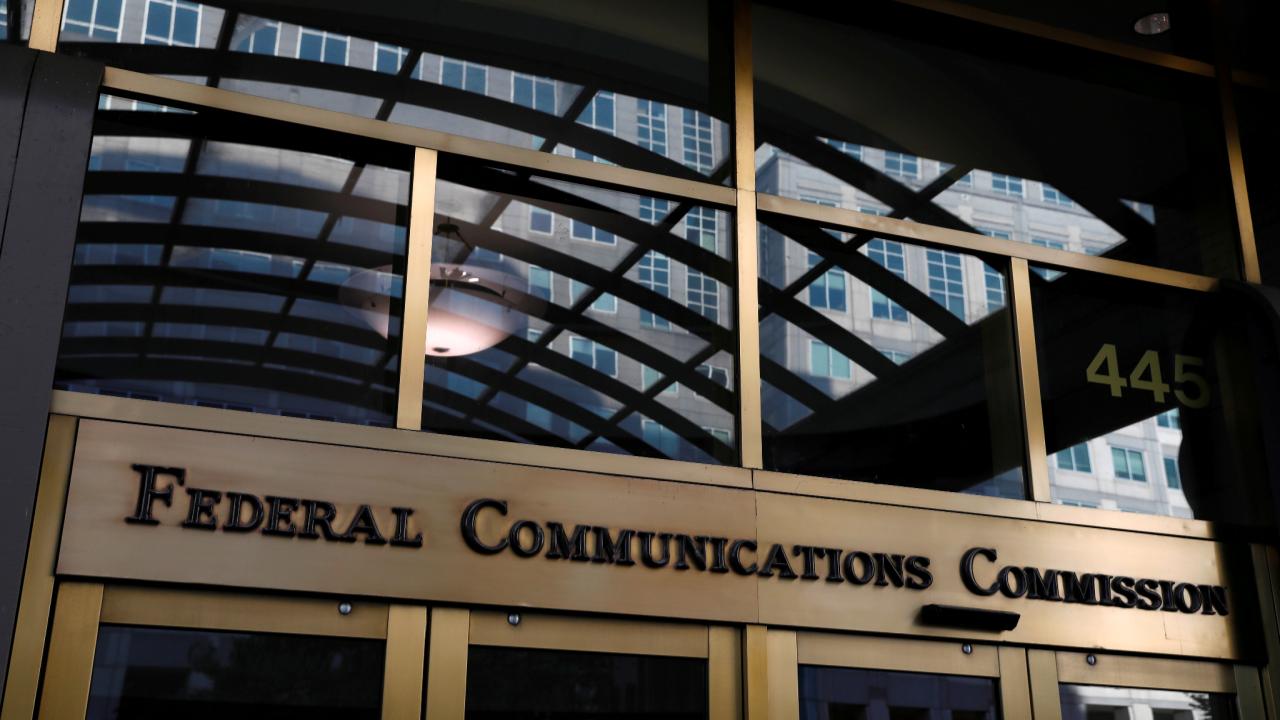
FCC: Federal Communications Commission

The Federal Communications Commission (FCC) is an independent agency of the United States government that regulates communications by radio, television, wire, satellite, and cable across the United States. The FCC maintains jurisdiction over the areas of broadband access, fair competition, radio frequency use, media responsibility, public safety, and homeland security.

The FCC was formed by the Communications Act of 1934 to replace the radio regulation functions of the previous Federal Radio Commission. The FCC took over wire communication regulation from the Interstate Commerce Commission. The FCC’s mandated jurisdiction covers the 50 states, the District of Columbia, and the territories of the United States. The FCC also provides varied degrees of cooperation, oversight, and leadership for similar communications bodies in other countries in North America. The FCC is funded entirely by regulatory fees. It has an estimated fiscal-2022 budget of US $388 million.

Source: Wikipedia

OnAir Post: FCC: Federal Communications Commission

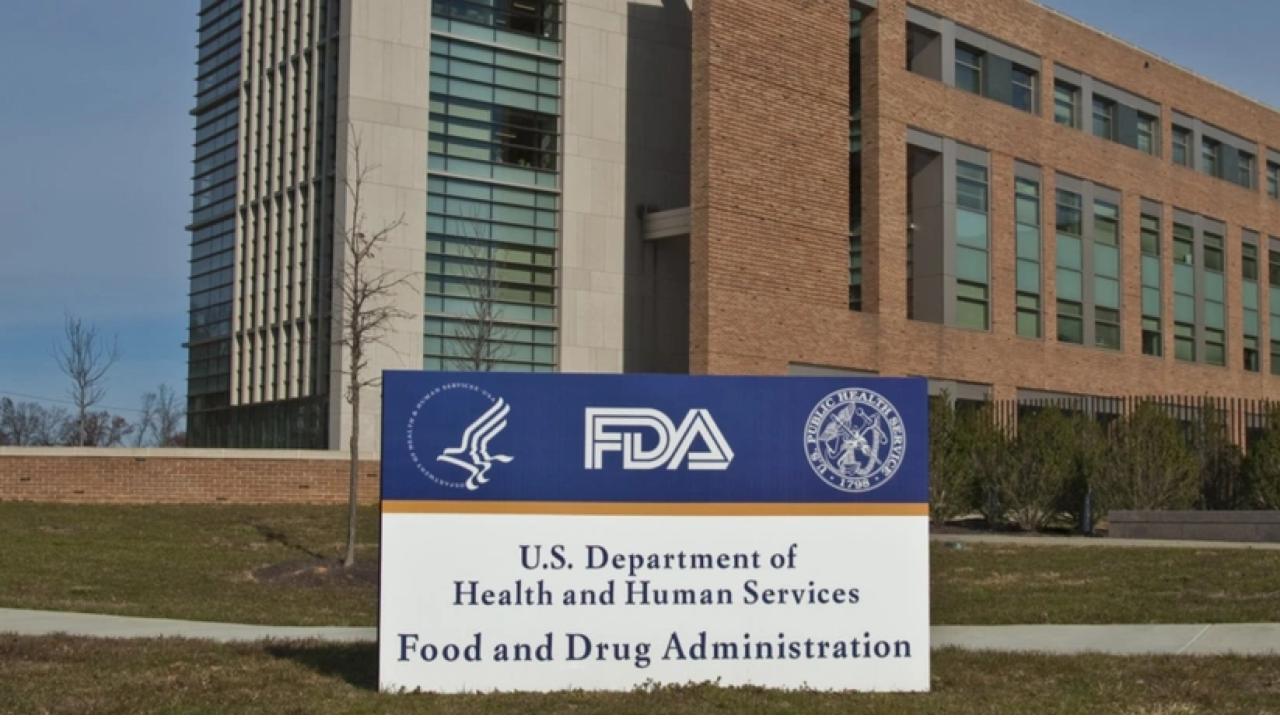
FDA: U.S. Food and Drug Administration

The United States Food and Drug Administration (FDA or US FDA) is a federal agency of the Department of Health and Human Services. The FDA is responsible for protecting and promoting public health through the control and supervision of food safety, tobacco products, caffeine products, dietary supplements, prescription and over-the-counter pharmaceutical drugs (medications), vaccines, biopharmaceuticals, blood transfusions, medical devices, electromagnetic radiation emitting devices (ERED), cosmetics, animal foods & feed and veterinary products.

The FDA’s primary focus is enforcement of the Federal Food, Drug, and Cosmetic Act (FD&C), but the agency also enforces other laws, notably Section 361 of the Public Health Service Act, as well as associated regulations. Much of this regulatory-enforcement work is not directly related to food or drugs, but involves such things as regulating lasers, cellular phones, and condoms, as well as control of disease in contexts varying from household pets to human sperm donated for use in assisted reproduction.

Source: Wikipedia

OnAir Post: FDA: U.S. Food and Drug Administration

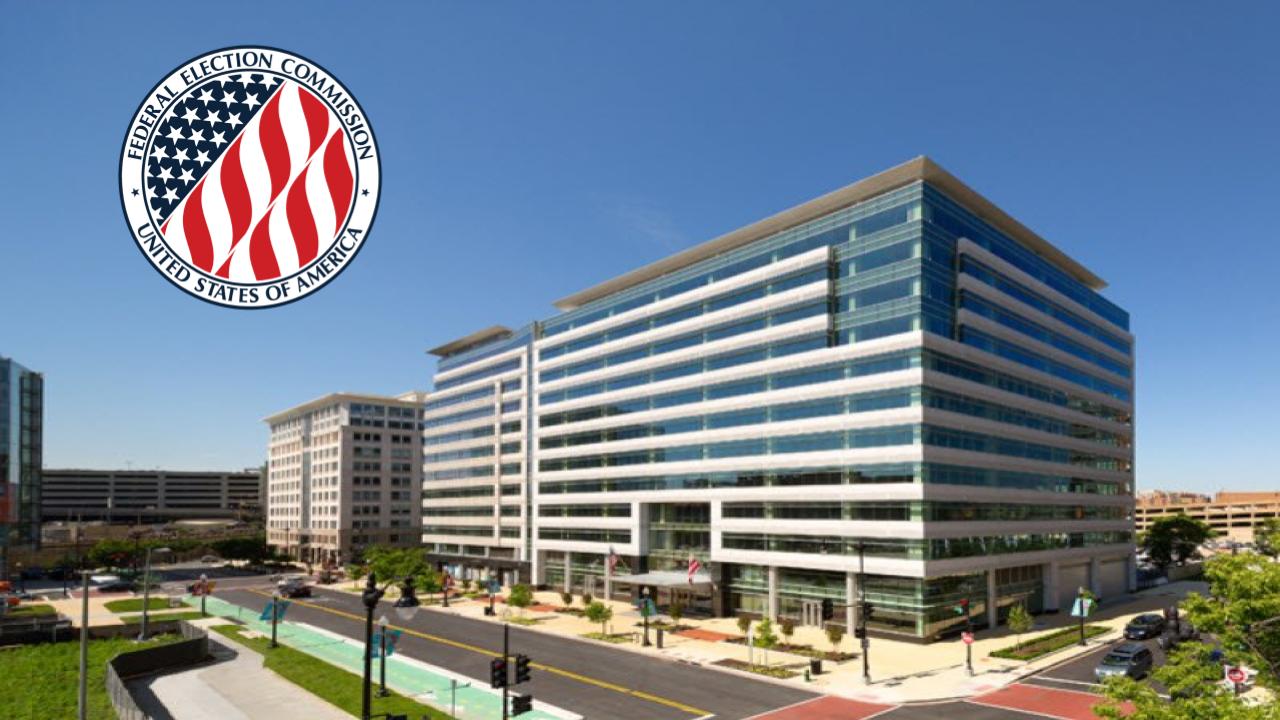
Federal Election Commission (FEC)

The Federal Election Commission (FEC) is the independent regulatory agency charged with administering and enforcing the federal campaign finance law. The FEC has jurisdiction over the financing of campaigns for the U.S. House, Senate, Presidency and the Vice Presidency.

Federal campaign finance law covers three broad subjects:

Source: Government Site

OnAir Post: Federal Election Commission (FEC)

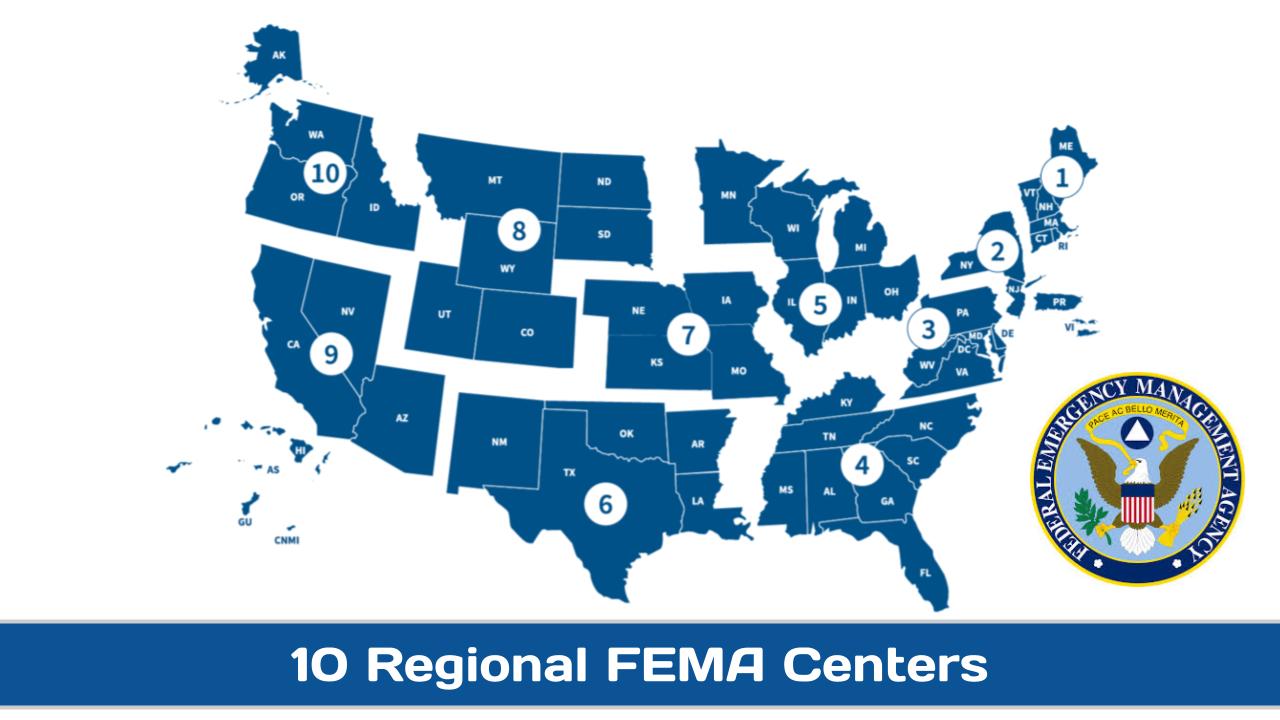
FEMA: Federal Emergency Management Agency

The Federal Emergency Management Agency (FEMA) is an agency of the United States Department of Homeland Security (DHS), initially created under President Jimmy Carter by Presidential Reorganization Plan No. 3 of 1978 and implemented by two Executive Orders on April 1, 1979.

The agency’s primary purpose is to coordinate the response to a disaster that has occurred in the United States and that overwhelms the resources of local and state authorities. The governor of the state in which the disaster occurs must declare a state of emergency and formally request from the President that FEMA and the federal government respond to the disaster. The only exception to the state’s gubernatorial declaration requirement occurs when an emergency or disaster takes place on federal property or to a federal asset.

OnAir Post: FEMA: Federal Emergency Management Agency

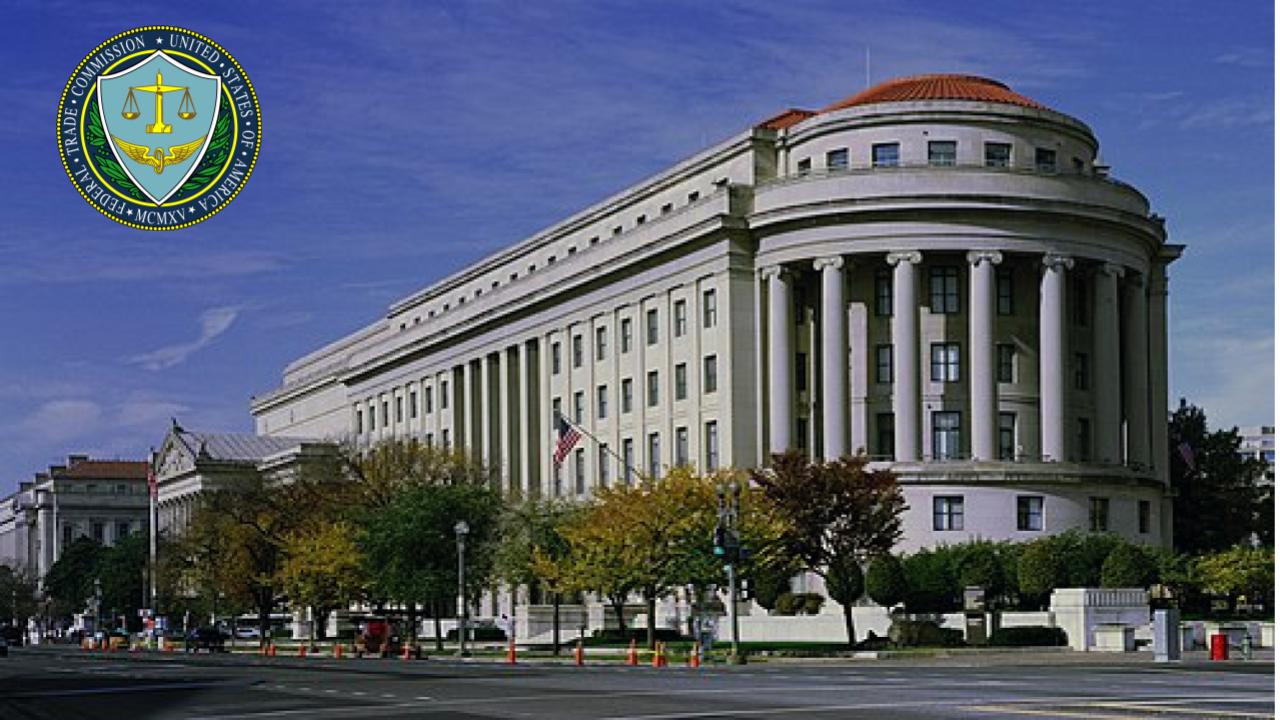
FTC: Federal Trade Commission

The Federal Trade Commission (FTC) is an independent agency of the United States government whose principal mission is the enforcement of civil (non-criminal) antitrust law and the promotion of consumer protection. The FTC shares jurisdiction over federal civil antitrust law enforcement with the Department of Justice Antitrust Division. The agency is headquartered in the Federal Trade Commission Building in Washington, DC.

The FTC is composed of five commissioners, who each serve seven-year terms. Members of the commission are nominated by the President and subject to Senate confirmation, and no more than three FTC members can be of the same party. One member of the body serves as FTC Chair at the President’s pleasure, with Commissioner Lina Khan having served as chair since June 2021.

Source: Wikipedia

OnAir Post: FTC: Federal Trade Commission

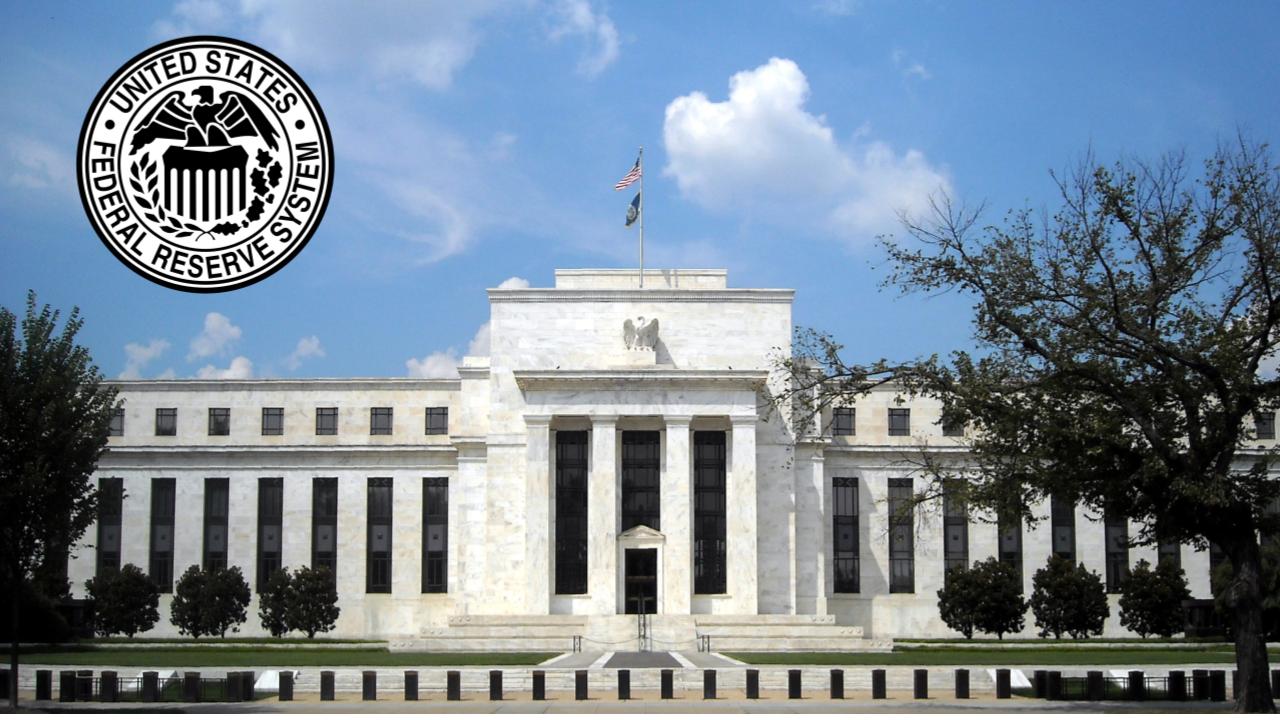
Federal Reserve Board (FRB)

The Federal Reserve Board, also known as the Board of Governors of the Federal Reserve System, is essentially the governing body of the entire Federal Reserve System, the central bank of the United States.

Here’s a breakdown of the Federal Reserve Board:

  • Function: Overseeing the Federal Reserve Banks and implementing monetary policy for the country [USAGov Federal Reserve System]. This means they influence things like interest rates and inflation.
  • Structure: A board of Governors appointed by the President and confirmed by the Senate, serving 14-year terms. The current Chair is Jerome Powell.
  • Location: Washington D.C.

OnAir Post: Federal Reserve Board (FRB)

NASA: National Aeronautics and Space Administration

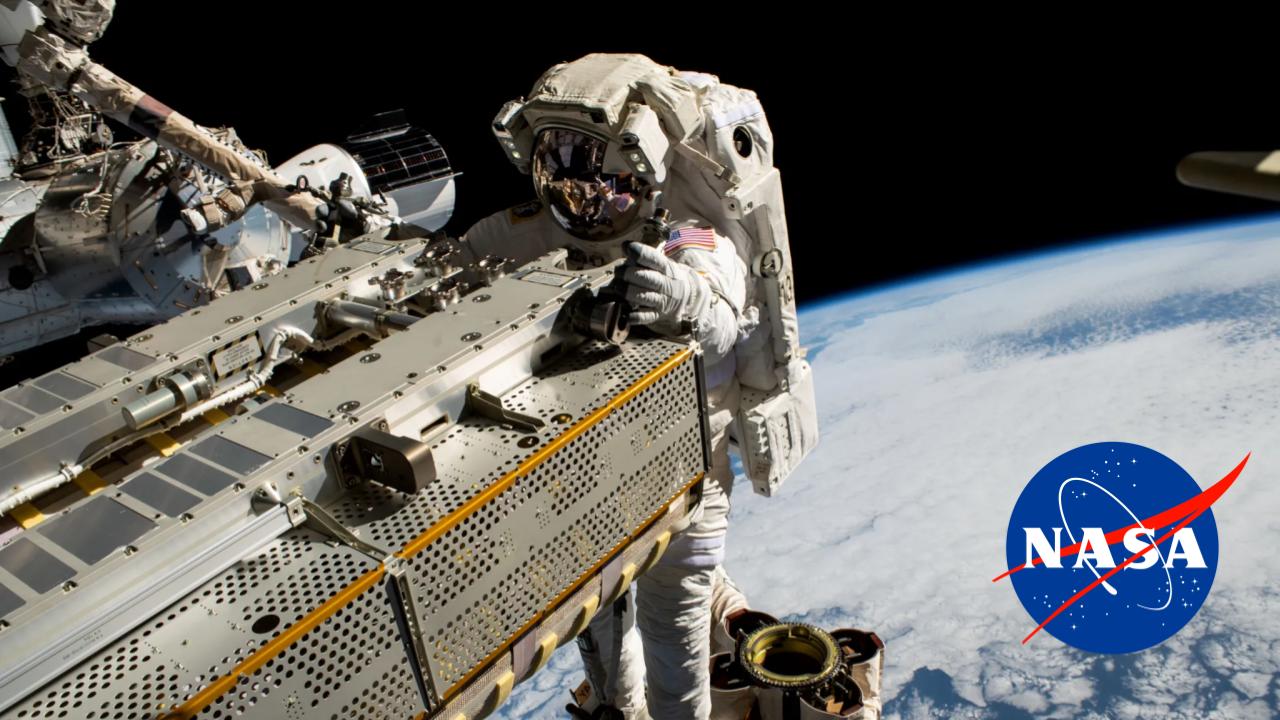
The National Aeronautics and Space Administration (NASA) is an independent agency of the U.S. federal government responsible for the civil space program, aeronautics research, and space research. Established in 1958, it succeeded the National Advisory Committee for Aeronautics (NACA) to give the U.S. space development effort a distinctly civilian orientation, emphasizing peaceful applications in space science.

It has since led most American space exploration, including Project Mercury, Project Gemini, the 1968–1972 Apollo Moon landing missions, the Skylab space station, and the Space Shuttle. It currently supports the International Space Station and oversees the development of the Orion spacecraft and the Space Launch System for the crewed lunar Artemis program, the Commercial Crew spacecraft, and the planned Lunar Gateway space station.

From Wikipedia Entry

OnAir Post: NASA: National Aeronautics and Space Administration

NIH: National Institutes of Health

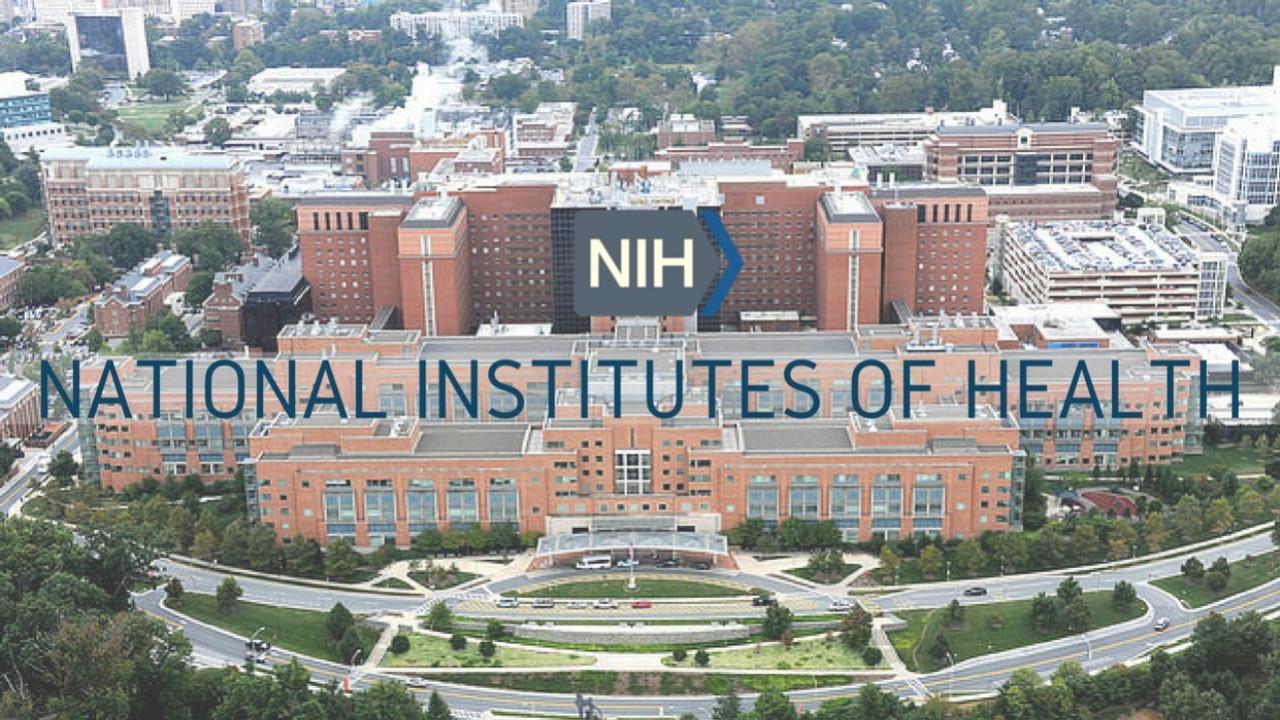
The National Institutes of Health, commonly referred to as NIH, is the primary agency of the United States government responsible for biomedical and public health research. It was founded in the late 1880s and is now part of the United States Department of Health and Human Services. Many NIH facilities are located in Bethesda, Maryland, and other nearby suburbs of the Washington metropolitan area, with other primary facilities in the Research Triangle Park in North Carolina and smaller satellite facilities located around the United States. The NIH conducts its own scientific research through the NIH Intramural Research Program (IRP) and provides major biomedical research funding to non-NIH research facilities through its Extramural Research Program.

As of 2013, the IRP had 1,200 principal investigators and more than 4,000 postdoctoral fellows in basic, translational, and clinical research, being the largest biomedical research institution in the world, while, as of 2003, the extramural arm provided 28% of biomedical research funding spent annually in the U.S., or about US$26.4 billion.

The NIH comprises 27 separate institutes and centers of different biomedical disciplines and is responsible for many scientific accomplishments, including the discovery of fluoride to prevent tooth decay, the use of lithium to manage bipolar disorder, and the creation of vaccines against hepatitis, Haemophilus influenzae (HIB), and human papillomavirus (HPV).

Source: Wikipedia

OnAir Post: NIH: National Institutes of Health

National Institute of Standards and Technology (NIST)

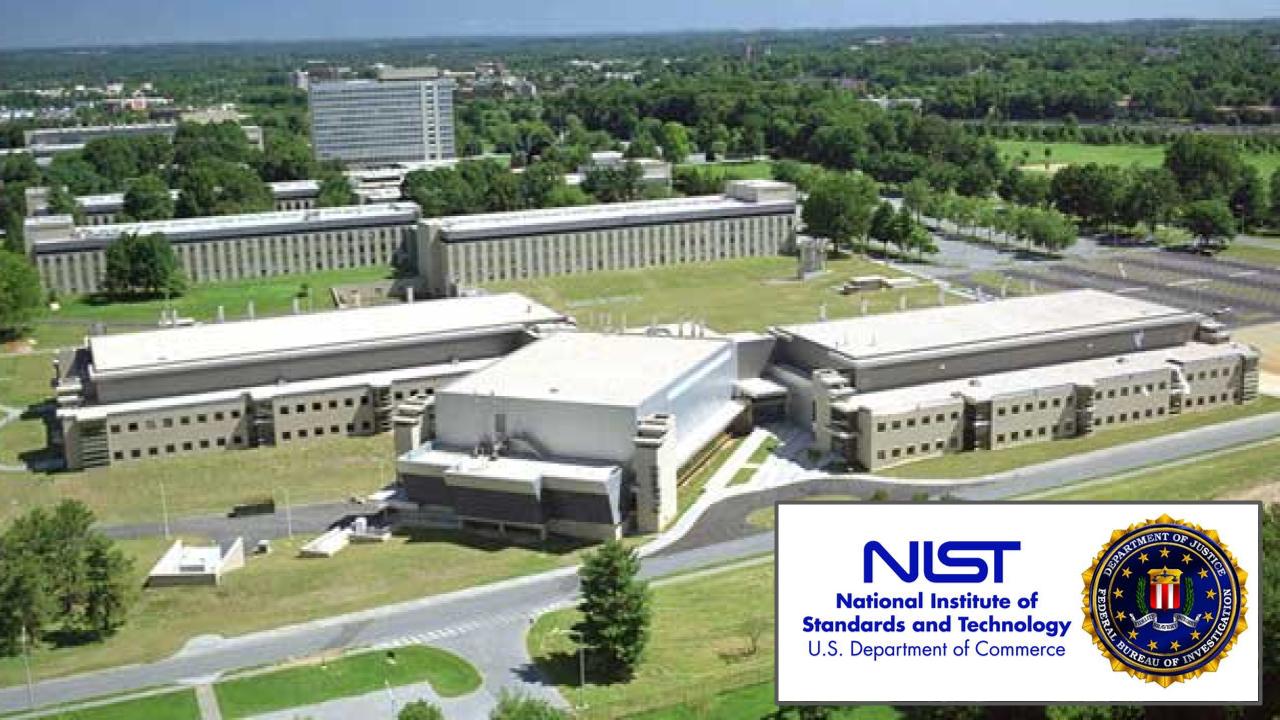
The National Institute of Standards and Technology (NIST) is a US government agency under the Department of Commerce. Their focus is on promoting innovation and industrial competitiveness in the US through advancements in measurement science, standards, and technology.

  • Mission: Promote American innovation and industrial competitiveness
  • Founded: 1901
  • Headquarters: Gaithersburg, Maryland
  • Services: Standards development, measurement science, technology research
  • Recent News (as of April 4, 2024): Awarded grants for cybersecurity workforce development, using cellphone compasses for health research, appointed new director for the Information Technology Laboratory

OnAir Post: National Institute of Standards and Technology (NIST)

NOAA: National Oceanic and Atmospheric Administration

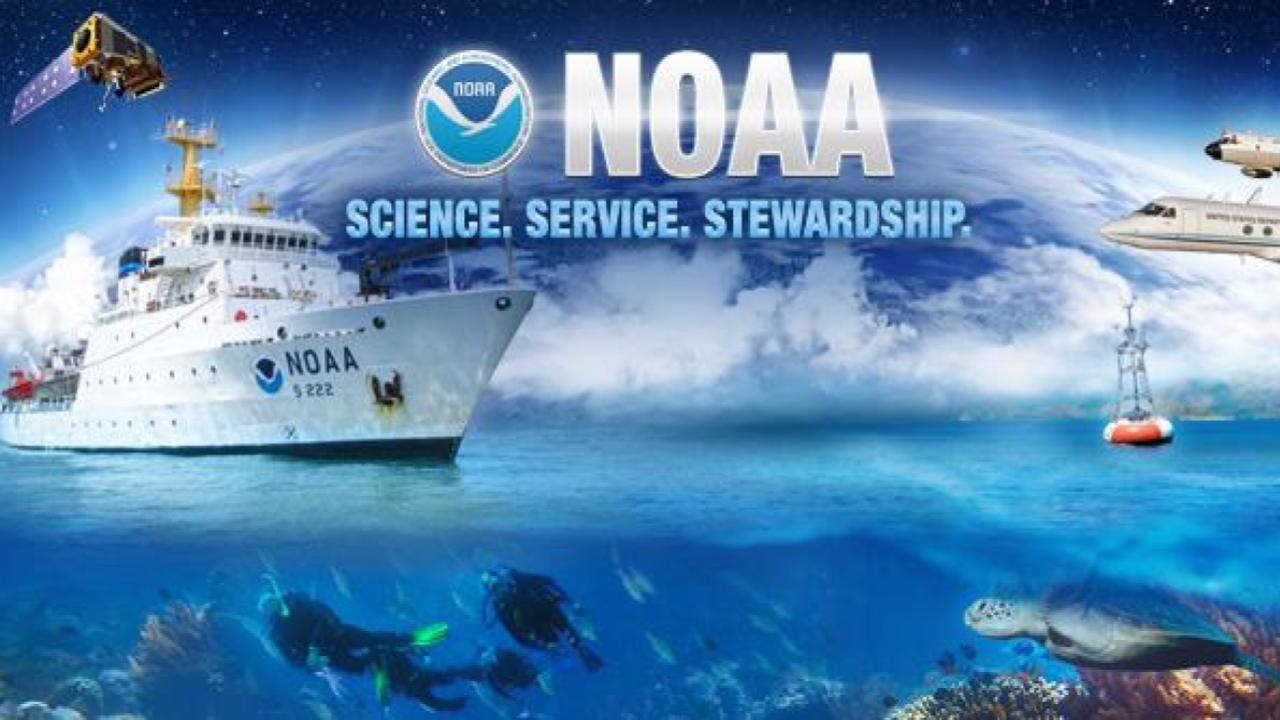
The National Oceanic and Atmospheric Administration (abbreviated as NOAA) is a scientific and regulatory agency within the Washington, D.C.–based United States Department of Commerce, headquartered in Silver Spring, Maryland.

The agency is charged with forecasting weather, monitoring oceanic and atmospheric conditions, charting the seas, conducting deep sea exploration, and managing fishing and protection of marine mammals and endangered species in the U.S. exclusive economic zone.

OnAir Post: NOAA: National Oceanic and Atmospheric Administration

National Science Foundation (NSF)

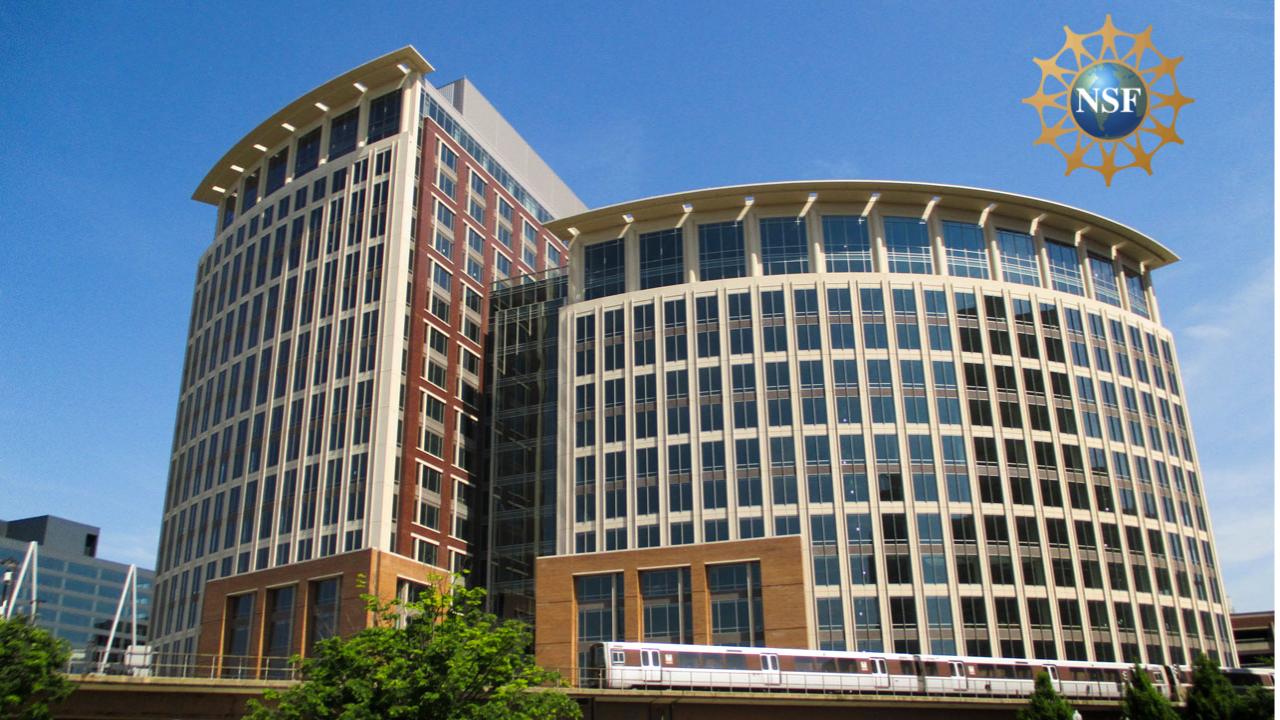
The National Science Foundation (NSF) is an independent agency of the United States federal government that supports fundamental research and education in all the non-medical fields of science and engineering. Its medical counterpart is the National Institutes of Health. With an annual budget of about $8.3 billion (fiscal year 2020), the

NSF funds approximately 25% of all federally supported basic research conducted by the United States’ colleges and universities. In some fields, such as mathematics, computer science, economics, and the social sciences, the NSF is the major source of federal backing.

Source: Wikipedia

OnAir Post: National Science Foundation (NSF)

NTSB: National Transportation Safety Board

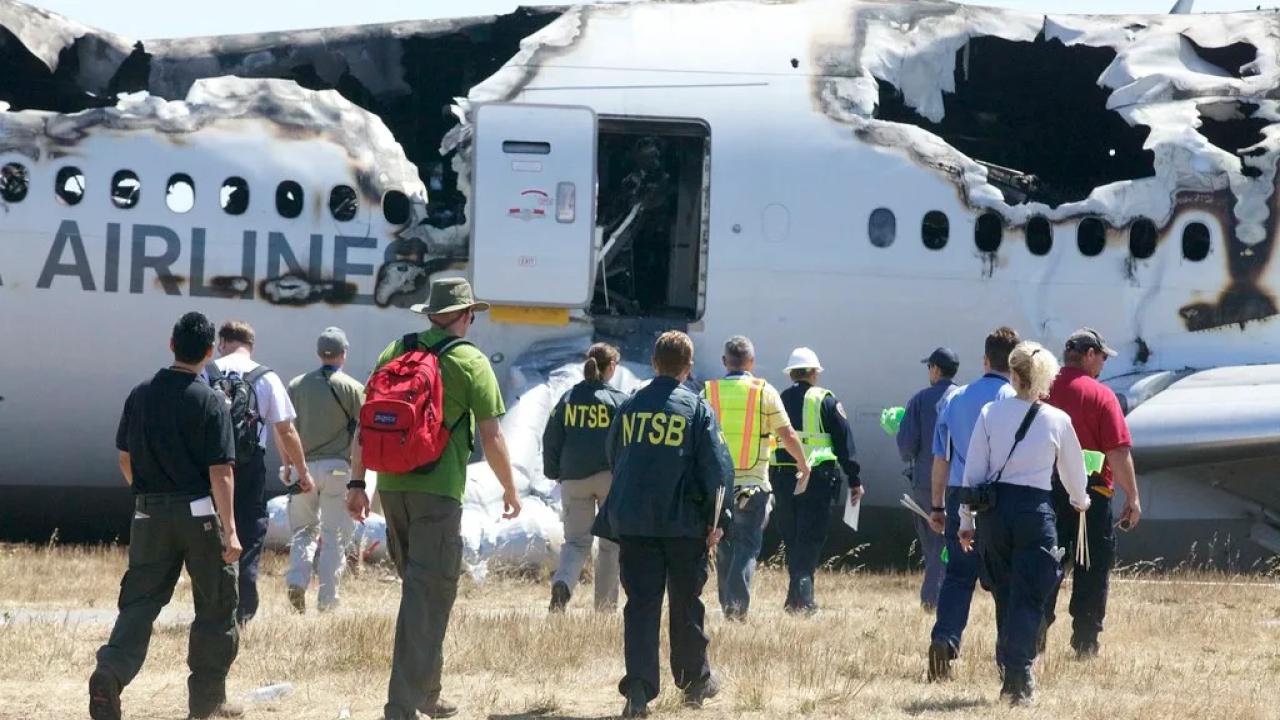
The National Transportation Safety Board (NTSB) is an independent U.S. government investigative agency responsible for civil transportation accident investigation. In this role, the NTSB investigates and reports on aviation accidents and incidents, certain types of highway crashes, ship and marine accidents, pipeline incidents, bridge failures, and railroad accidents.

The NTSB is also in charge of investigating cases of hazardous materials releases that occur during transportation. The agency is based in Washington, D.C. It has four regional offices, located in Anchorage, Alaska; Denver, Colorado; Ashburn, Virginia; and Seattle, Washington. The agency also operates a national training center at its Ashburn facility.

Source: Wikipedia

OnAir Post: NTSB: National Transportation Safety Board

Office of Management and Budget (OMB)

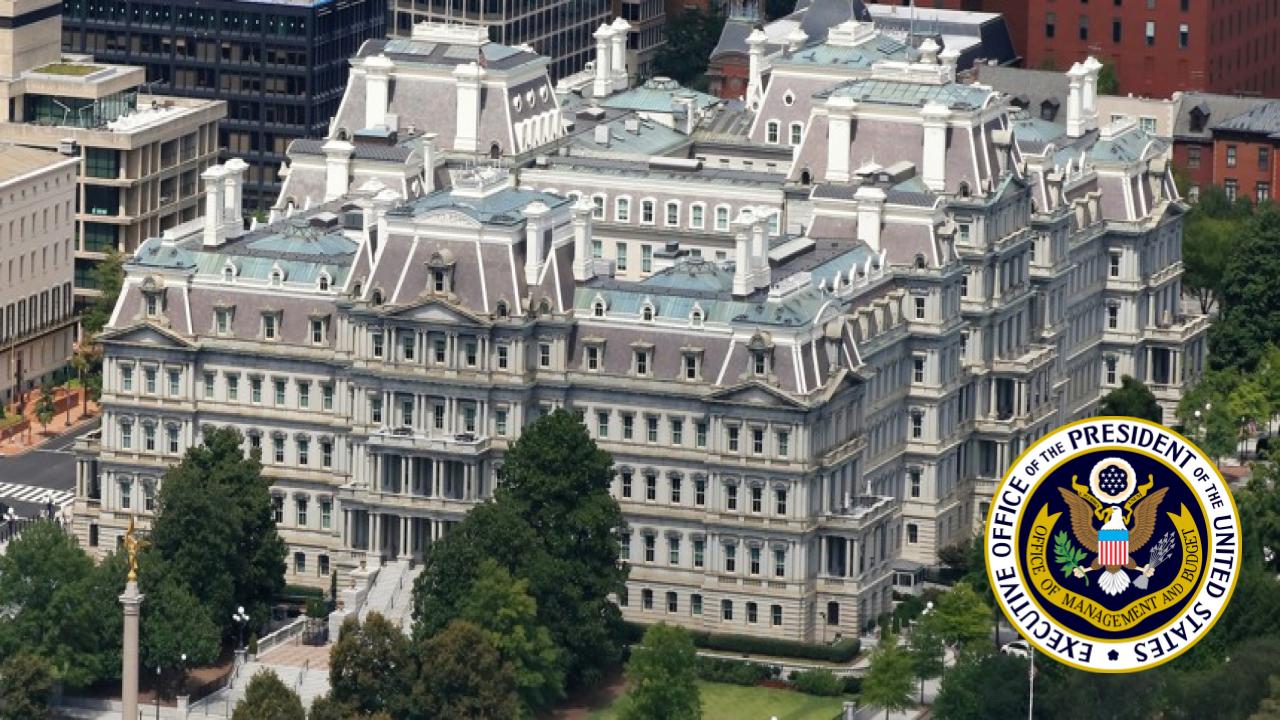
The Office of Management and Budget (OMB) is a powerful entity within the US government, situated within the Executive Office of the President. Here’s a breakdown of its key functions:

  • Budget Management: The OMB plays a critical role in crafting the Federal budget. This includes assisting the President in formulating budget proposals, overseeing the budget’s execution, and making recommendations regarding legislative actions impacting the budget
  • Agency Oversight: The OMB keeps a watchful eye on the performance of various federal agencies, ensuring they adhere to the President’s priorities.
  • Regulatory Review: Functioning as a central hub, the OMB reviews and coordinates significant regulations issued by federal agencies. This ensures these regulations align with federal policies and don’t create unnecessary burdens.

OnAir Post: Office of Management and Budget (OMB)

SEC: Securities and Exchange Commission

The U.S. Securities and Exchange Commission (SEC) is an independent agency of the United States federal government, created in the aftermath of the Wall Street Crash of 1929. The primary purpose of the SEC is to enforce the law against market manipulation.

In addition to the Securities Exchange Act of 1934, which created it, the SEC enforces the Securities Act of 1933, the Trust Indenture Act of 1939, the Investment Company Act of 1940, the Investment Advisers Act of 1940, the Sarbanes–Oxley Act of 2002, and other statutes. The SEC was created by Section 4 of the Securities Exchange Act of 1934 (now codified as 15 U.S.C. § 78d and commonly referred to as the Exchange Act or the 1934 Act).

Source: Wikipedia

OnAir Post: SEC: Securities and Exchange Commission

White House Office of Public Engagement

The Office of Public Engagement supports the President’s goal of building a government that is inclusive, transparent, accountable, and responsible to its citizens.

With a focus on making the White House inclusive and accessible to its citizens, the Office of Public Engagement is responsible for creating and coordinating direct dialogue between the Biden-Harris administration and the diverse American public.

The Office of Public Engagement works at the local, state, and national levels to ensure community leaders, diverse perspectives, and new voices all have the opportunity to inform the work of the President.  Creating and maintaining a two-way dialogue between the administration and communities across the nation ensures that voices are heard and that concerns can be translated into action across the administration.

Through outreach, communication, public events, and official announcements from the administration and the various departments of the Executive Office of the President, the Office of Public Engagement removes obstacles and barriers and creates opportunities to improve public awareness and involvement in the work of the Biden-Harris administration.

Working alongside the citizens who want a government that works and that they can be a part of, the Office of Public Engagement helps build and maintain the transparent, responsible, and accountable government President Biden and Vice President Harris have promised.

Source

OnAir Post: White House Office of Public Engagement

Skip to toolbar