Democratic Party

The Democratic Party is one of the two major contemporary political parties in the United States. Since the late 1850s, its main political rival has been the Republican Party.

In the 21st century, the party is strongest among urban voters, African Americans, American Jews, union workers, college graduates, women, LGBT+ people, and the unmarried. On social issues, it advocates for abortion rights, voting rights, LGBT rights, action on climate change, and the legalization of marijuana.

On economic issues, the party favors healthcare reform, universal child care, paid sick leave and supporting unions. In foreign policy, the party supports liberal internationalism as well as tough stances against China and Russia.

OnAir Post: Democratic Party

Democratic National Committee

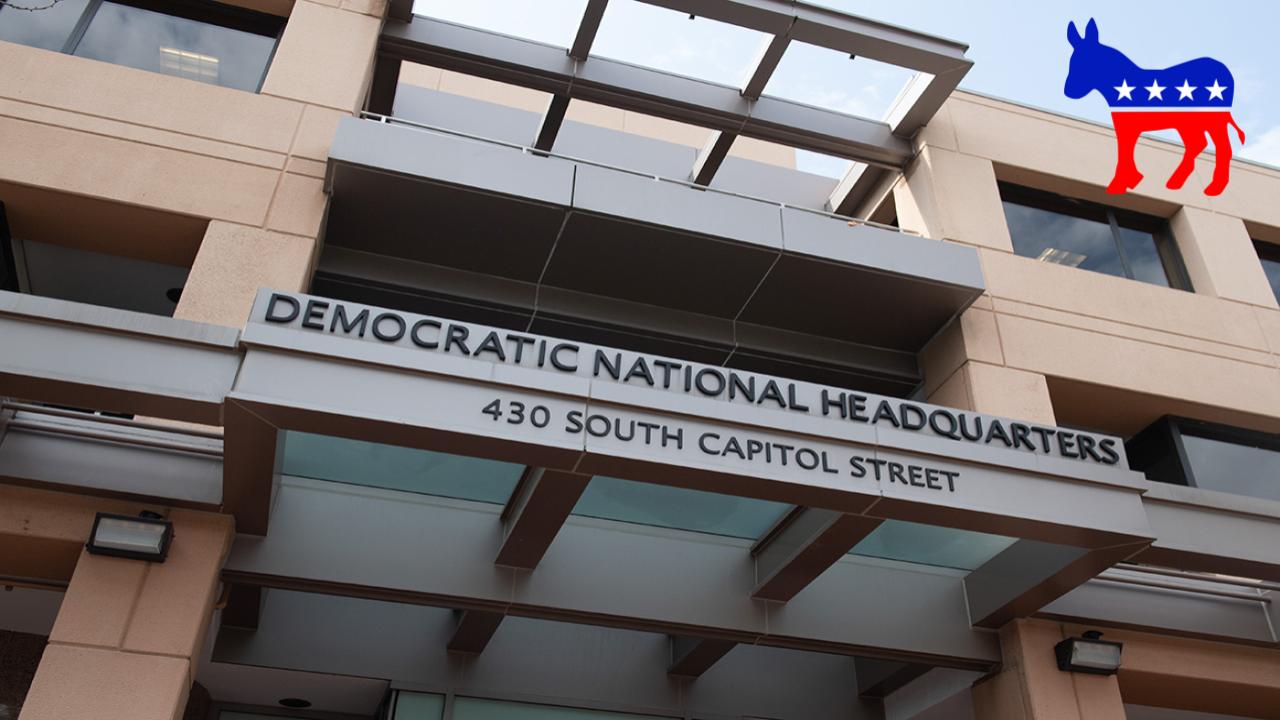
The Democratic National Committee (DNC) is the principal executive leadership board of the United States Democratic Party. According to the party charter, it has “general responsibility for the affairs of the Democratic Party between National Conventions”, and particularly coordinates strategy to support Democratic Party candidates throughout the country for local, state, and national office, as well as works to establish a “party brand” and to formulate the party platform. While it provides support for party candidates, it does not have direct authority over elected officials.

The DNC was established on May 26, 1848, at that year’s Democratic National Convention. The DNC’s main counterpart is the Republican National Committee.

As of Jan. 10, 2025, candidates for DNC chair are the following: State party chairs Ben Wikler of Wisconsin and Ken Martin of Minnesota, New York state Sen. James Skoufis and Former Maryland Gov. Martin O’Malley.

OnAir Post: Democratic National Committee

Republican Party

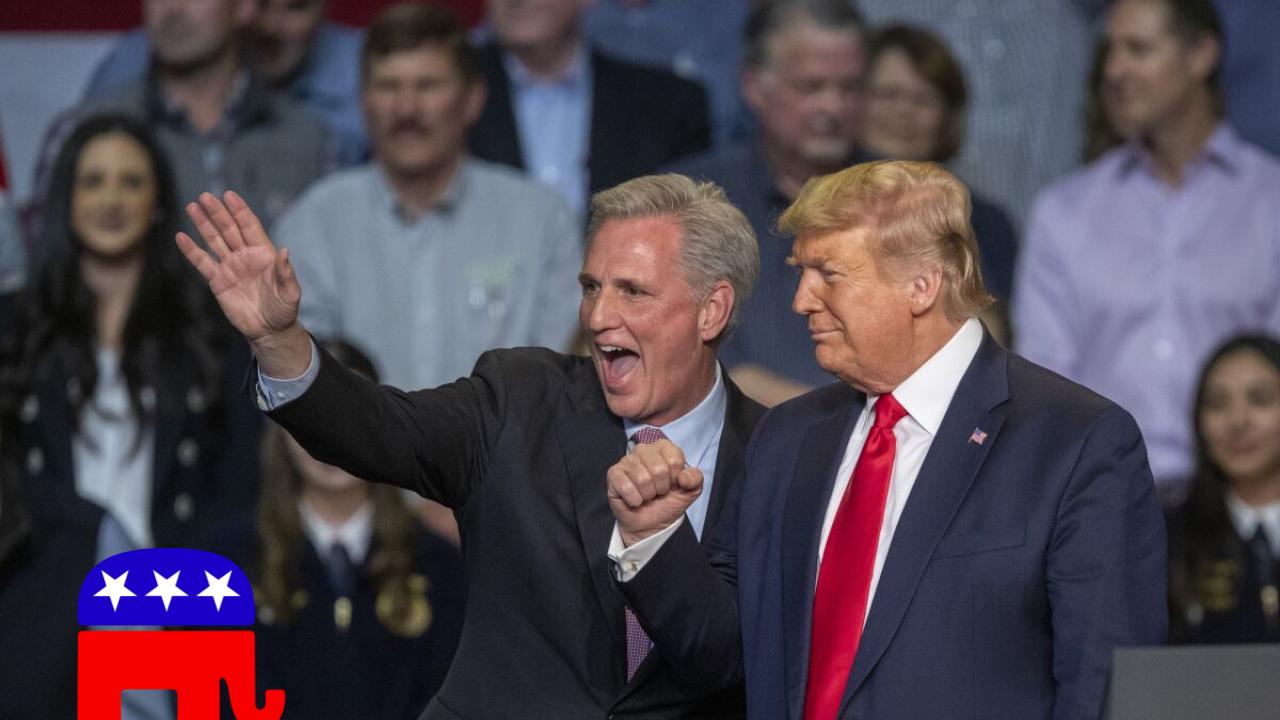
The Republican Party, also known as the GOP (“Grand Old Party”), is one of the two major contemporary political parties in the United States. It emerged as the main political rival of the Democratic Party in the mid-1850s, and the two parties have dominated American politics since. The GOP was founded in 1854 by anti-slavery activists who opposed the Kansas–Nebraska Act, which allowed for the potential expansion of chattel slavery into the western territories. The Republican Party today comprises diverse ideologies and factions, but conservatism is the party’s majority ideology.

As of 2023, the GOP holds a majority in the U.S. House of Representatives, 26 state governorships, 28 state legislatures, and 22 state government trifectas. Six of the nine current U.S. Supreme Court justices were appointed by Republican presidents. Its most recent presidential nominee was Donald Trump, who was the 45th U.S. president from 2017 to 2021. There have been 19 Republican presidents, the most from any one political party.

OnAir Post: Republican Party

Republican National Committee

The Republican National Committee (RNC) is the primary committee of the Republican Party of the United States. Its members are chosen by the state delegations at the national convention every four years. It is responsible for developing and promoting the Republican brand and political platform, as well as assisting in fundraising and election strategy. It does not have direct authority over elected officials.

It is also responsible for organizing and running the Republican National Convention. When a Republican is president, the White House controls the committee. According to Boris Heersink, “political scientists have traditionally described the parties’ national committees as inconsequential but impartial service providers.

The Chairman is Michael Whatley and Co-Chair Lara Trump.

OnAir Post: Republican National Committee

Libertarian Party

The Libertarian Party (LP) is a libertarian political party in the United States that promotes civil liberties, non-interventionism, laissez-faire capitalism, and limiting the size and scope of government.

The world’s first explicitly libertarian party, it was conceived in August 1971 at meetings in the home of David F. Nolan in Westminster, Colorado, and was officially formed on December 11, 1971, in Colorado Springs. The organizers of the party drew inspiration from the works and ideas of the prominent Austrian school economist Murray Rothbard. The founding of the party was prompted in part due to concerns about the Nixon administration’s wage and price controls, the Vietnam War, conscription, and the introduction of fiat money.

OnAir Post: Libertarian Party

Green Party

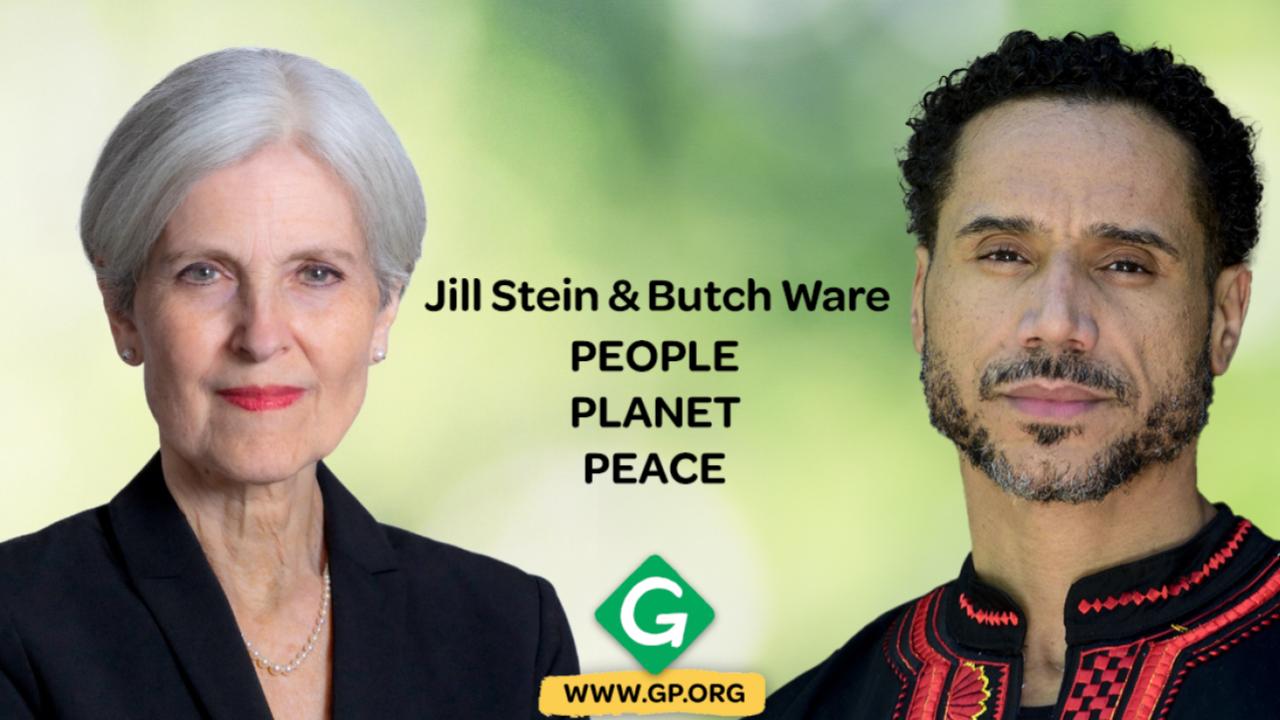
The Green Party of the United States (GPUS) is a federation of Green state political parties in the United States. The party promotes green politics, specifically environmentalism; nonviolence; social justice; participatory democracy; grassroots democracy; anti-war; anti-racism. As of 2023, it is the fourth-largest political party in the United States by voter registration, behind the Libertarian Party.

The Greens (as ASGP) first gained widespread public attention during the 2000 presidential election, when the ticket composed of Ralph Nader and Winona LaDuke won 2.7% of the popular vote, raising questions as to whether they spoiled the election in favor of George W. Bush. Nader has dismissed the notion that he and other Green candidates are spoilers.

OnAir Post: Green Party

Skip to toolbar